China's missile test sparks concern in Pacific nations
 13 oC
13 oC 
Güneşli

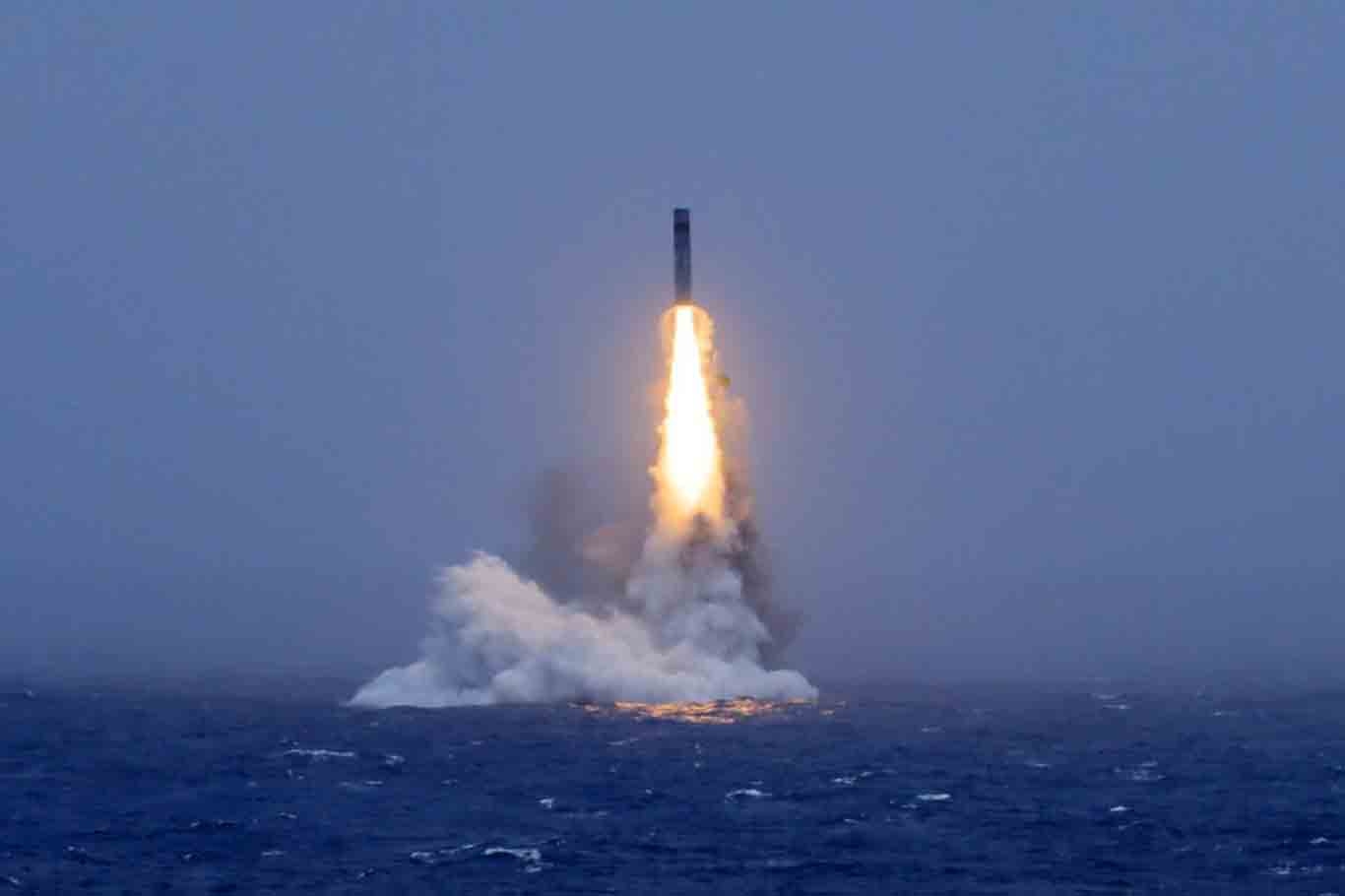
Pacific Islands Forum (PIF) member states are preparing a strong joint statement condemning China's recent intercontinental ballistic missile (ICBM) test, a move that has reignited security concerns and geopolitical tensions across the Pacific region.
Australian Prime Minister Anthony Albanese said a draft declaration condemning China's launch of a strategic ICBM carrying a dummy warhead has been circulated among the forum's 18 member states for approval.
The draft statement is expected to be discussed during meetings involving leaders from Papua New Guinea, Tonga and Samoa.
"Strong message" on regional security
Albanese said the proposed declaration would send a "very strong message" on safeguarding peace and security in the Pacific.
He stressed that Pacific Island countries remain committed to preserving regional stability and addressing growing security concerns through collective action.
Regional leaders voice concern
Tuvalu Prime Minister Feleti Teo expressed "serious concern" over the missile launch, saying a test involving a nuclear-capable ballistic missile contradicts the Pacific's long-standing goal of remaining a nuclear-free region.
Teo also urged major powers to refrain from using the Pacific Ocean as a testing ground for military capabilities.
While many Pacific nations maintain close economic ties with China through aid and infrastructure projects, reports said the Solomon Islands submitted an official diplomatic protest to Beijing over the missile launch.
Tonga Prime Minister Lord Fakafanua confirmed that his country would support the proposed joint statement calling for peace and regional stability.
Fiji Defense Minister Pio Tikoduadua said his government had raised concerns with the Chinese Embassy before the launch, adding that such missile tests do not promote trust and mutual respect among regional partners.
Tikoduadua also described the presence of China's missile tracking vessel Yuan Wang 5 at a Fijian port during the launch as "a strange coincidence."
Strategic rivalry intensifies
The missile test came as Australia continues efforts to strengthen its influence in the South Pacific amid China's expanding regional presence.
On the same day China held a major military parade, Australia and Fiji signed a new defense cooperation agreement, a development widely viewed as another sign of intensifying strategic competition in the Pacific.
China's navy launched the submarine-based intercontinental ballistic missile on July 6, saying the missile successfully reached its designated impact area in the Pacific Ocean as part of its annual training program.
Beijing said relevant countries had been notified in advance, the launch complied with international law, and the missile test was not directed at any specific country.
The launch has been described as China's first publicly announced sea-based intercontinental ballistic missile test in decades. (ILKHA)
LEGAL WARNING: All rights of the published news, photos and videos are reserved by İlke Haber Ajansı Basın Yayın San. Trade A.Ş. Under no circumstances can all or part of the news, photos and videos be used without a written contract or subscription.

The European Union Aviation Safety Agency (EASA) has advised airlines not to operate flights through the airspace of Iran, Iraq and Lebanon, citing the fragile ceasefire between the United States and Iran and the continued risk of military escalation in the region.

A leading human rights organization has accused the Israeli regime of failing to answer critical questions about the condition of a prominent Palestinian physician detained from the Gaza Strip, warning that his life may be at serious risk.

The death toll from Israel's military campaign in the Gaza Strip has climbed to 73,110, the majority of them women and children, despite a ceasefire that took effect on October 11, according to Palestinian medical sources.