CSIS report warns U.S. weapons stockpiles will take years to replenish after Iran war
 13 oC
13 oC 
Güneşli

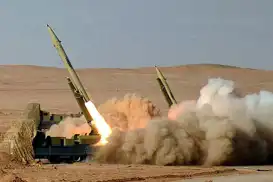
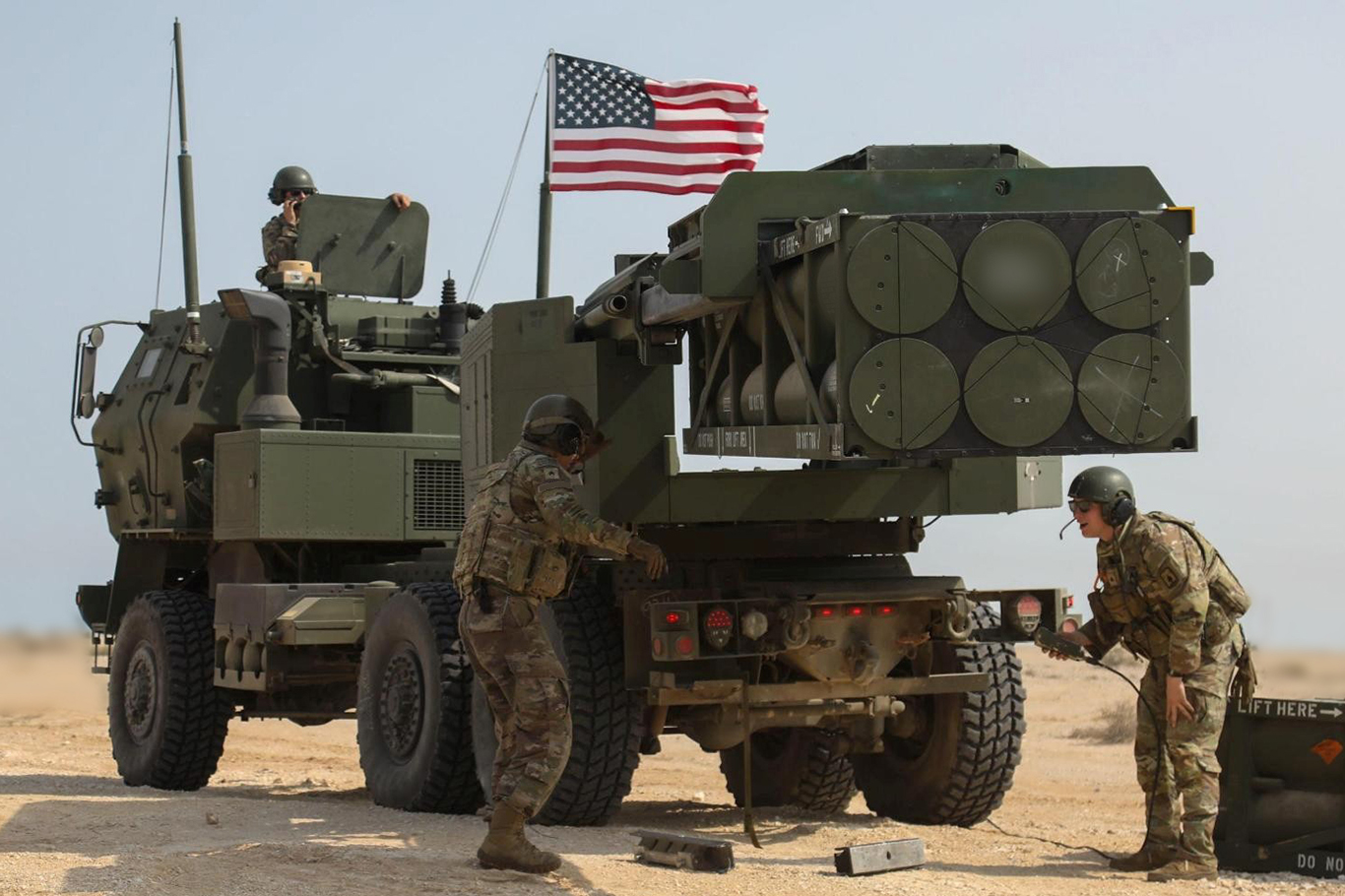
The Center for Strategic and International Studies (CSIS) has warned that the United States will need several years to fully replenish advanced munitions depleted during its recent war with Iran, highlighting growing strain on key missile stockpiles and long-term defense readiness concerns.
In a report published Wednesday, CSIS said that critical systems—including Tomahawk Land Attack Missiles (TLAM), Terminal High Altitude Area Defense (THAAD) interceptors, and Patriot air defense missiles—were heavily used during the conflict and will require more than three years to return to prewar inventory levels.
The analysis also found that other precision weapons, such as Joint Air-to-Surface Standoff Missiles (JASSM) and Precision Strike Missiles (PrSM), were significantly expended and would take several months to a year to replace. Meanwhile, Standard Missile variants, including SM-3 and SM-6 interceptors, are expected to require around two years to fully restore stockpiles.
CSIS noted that more than 1,000 Tomahawk missiles were used during the campaign, while production and delivery rates remain far below wartime consumption levels. Although the U.S. continues to procure new systems, the report emphasized that production timelines—not funding—are the primary constraint.
“The issue is not money but time,” the analysis stated, warning that expanding industrial capacity for complex missile systems cannot be achieved quickly. As a result, the Pentagon faces what CSIS described as a “window of vulnerability” until inventories are rebuilt.
The report further highlighted that the United States must also balance its own replenishment needs with ongoing commitments to allies, including Ukraine and other countries reliant on Patriot interceptors for air defense.
CSIS also pointed out that recent procurement plans under the U.S. defense budget and new industrial agreements aim to increase production capacity. However, even with expanded spending—reflected in proposals such as the administration’s $1.5 trillion FY2027 defense budget—the rebuilding process will still take years.
“The Department of Defense will need to make plans for dealing with this gap,” the report warned, noting that alternative munitions and systems may be used in the interim but often come with operational trade-offs.
The analysis concluded that while the U.S. military demonstrated strong operational effectiveness during the conflict, the depletion of high-end munitions could temporarily affect deterrence and readiness for potential future conflicts. (ILKHA)
LEGAL WARNING: All rights of the published news, photos and videos are reserved by İlke Haber Ajansı Basın Yayın San. Trade A.Ş. Under no circumstances can all or part of the news, photos and videos be used without a written contract or subscription.

Security forces in Somalia's Puntland region have rescued a Palau-flagged oil tanker seized by suspected pirates and arrested 16 of the hijackers, Puntland authorities said on Tuesday.

Israeli occupation gangs have carried out another raid on a historic water spring in the town of Al-Jib, northwest of occupied Jerusalem, raising concerns among Palestinian officials that repeated incursions are aimed at seizing the site and preventing Palestinians from accessing it.

The eighth meeting of the Moscow Format consultations on Afghanistan will be held in the Russian capital on Oct. 5, Russian Foreign Ministry spokesperson Maria Zakharova said Wednesday.

Yemen's Ansarullah Movement has extended its condolences to Hamas and the Al-Qassam Brigades over the martyrdom of Izz al-Din al-Bayk, commander of the Northern Gaza Brigade, while condemning what it described as continued Israeli ceasefire violations, targeted assassinations and repeated incursions into Al-Aqsa Mosque.