Cuba blames U.S. sanctions for worsening power grid crisis
 13 oC
13 oC 
Güneşli

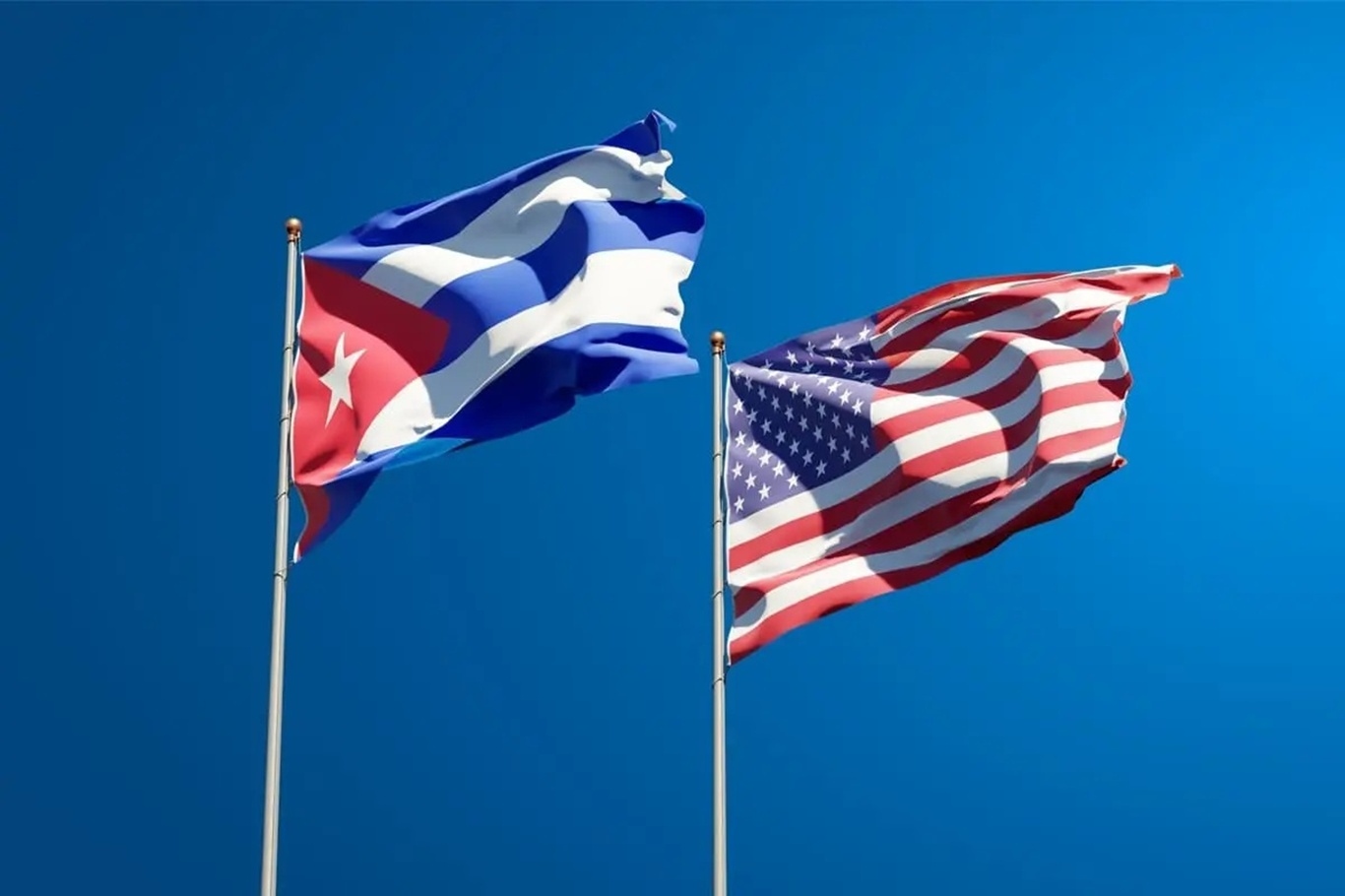
Cuba has accused the United States of being responsible for the island's ongoing electricity crisis, arguing that decades of economic, commercial and financial sanctions have severely restricted its ability to maintain and modernize its energy infrastructure.
Cuban Foreign Minister Bruno Rodríguez rejected claims that the country's struggling power system is the result of government mismanagement, saying the difficulties facing the national grid stem from measures imposed by Washington.
In remarks shared on social media, Rodríguez said allegations blaming the Cuban government for the condition of the electricity system were intended to divert attention from the impact of U.S. policies on the Cuban population.
He described the country's energy sector as a victim of what he called an “economic war,” arguing that sanctions have limited access to fuel supplies, financing and technology needed to sustain electricity generation and distribution.
Rodríguez pointed to U.S. policy directives issued in recent years, including measures aimed at increasing financial and commercial pressure on Cuba. He also criticized Washington's decision to return Cuba to its list of state sponsors of terrorism, saying the designation had further discouraged foreign investment and complicated international financial transactions.
According to the Cuban foreign minister, companies involved in transporting fuel to Cuba have faced the risk of sanctions, asset seizures and exclusion from international financial systems, creating additional obstacles to securing energy supplies.
He also said dozens of foreign banks had declined to process transactions linked to Cuba, including payments related to solar and wind energy projects.
Cuba's electricity generation system relies heavily on aging thermoelectric power plants, many of which have been operating for more than four decades and require significant maintenance and investment. Frequent fuel shortages and technical failures have contributed to recurring power outages across the country.
Official figures indicate that Cuba requires several fuel shipments each month to maintain normal electricity production. However, fuel imports have remained below required levels, placing additional strain on the national grid.
The energy shortages have become one of the country's most pressing challenges, affecting households, public services and economic activity across the island.(ILKHA)
LEGAL WARNING: All rights of the published news, photos and videos are reserved by İlke Haber Ajansı Basın Yayın San. Trade A.Ş. Under no circumstances can all or part of the news, photos and videos be used without a written contract or subscription.
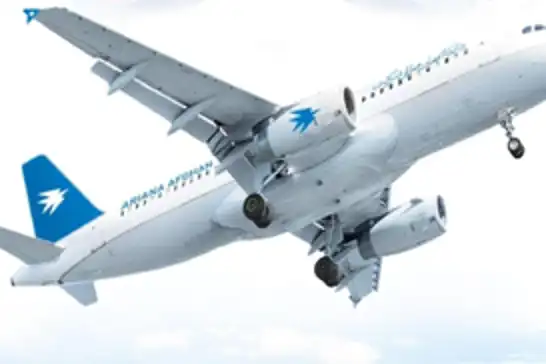
Ariana Afghan Airlines has announced a reduction in fares on its popular Kabul–Dubai route, making travel more affordable for passengers.
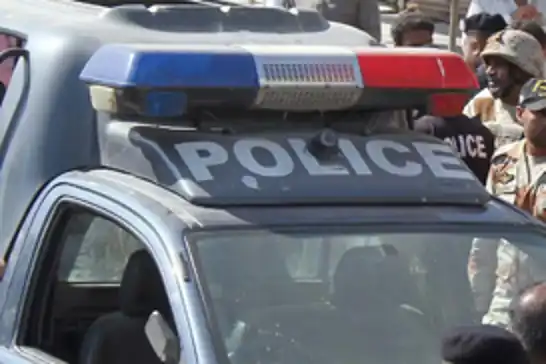
Two police constables were killed in separate targeted shooting incidents in Bannu district of Pakistan’s northwestern Khyber Pakhtunkhwa province on Friday, officials confirmed.

U.S. federal authorities have launched an investigation after a large "8647" message appeared on the grounds of the National Mall, one of the country's most prominent public spaces.
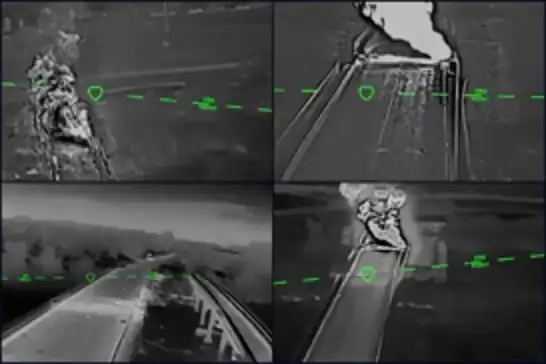
Ukrainian forces have successfully struck the strategically vital Armiansk bridge linking occupied Crimea with mainland Ukraine, destroying 50 Russian military vehicles loaded with ammunition and fuel, according to the 1st Separate Assault Regiment “Da Vinci.”