Delhi hospitals record over 200,000 acute respiratory cases in 3 years as air pollution worsens
 13 oC
13 oC 
Güneşli

New government data shows a sharp rise in severe respiratory illnesses in India’s capital, with experts warning that toxic air continues to endanger millions.
India’s Union Ministry of Health and Family Welfare has announced that six major central government hospitals in the capital recorded 204,758 cases of acute respiratory illness (ARI) between 2022 and 2024—reflecting the continued health toll of Delhi’s chronic air-pollution crisis. According to the parliamentary data, 30,420 patients required hospitalisation during this three-year period, underscoring the severity of cases linked to deteriorating air quality.
The figures were presented in the Rajya Sabha by Minister of State for Health and Family Welfare, Prataprao Jadhav, during a response to a parliamentary query on the impact of rising pollution levels on respiratory diseases in urban India.
Year-by-year data (6 major Delhi hospitals – AIIMS, Safdarjung, LHMC, RML, NITRD, VPCI):
While the number of ER visits saw a slight decline in 2024, hospital admissions rose sharply, indicating that respiratory cases are becoming more severe as pollution levels worsen.
Pollution recognized as a major trigger
The Ministry acknowledged that air pollution is one of the key triggering factors for respiratory ailments, including asthma, COPD and acute lung infections. However, it emphasized that health outcomes also depend on “a combination of factors such as nutrition, occupation, socio-economic status, medical history, immunity and hereditary predispositions.”
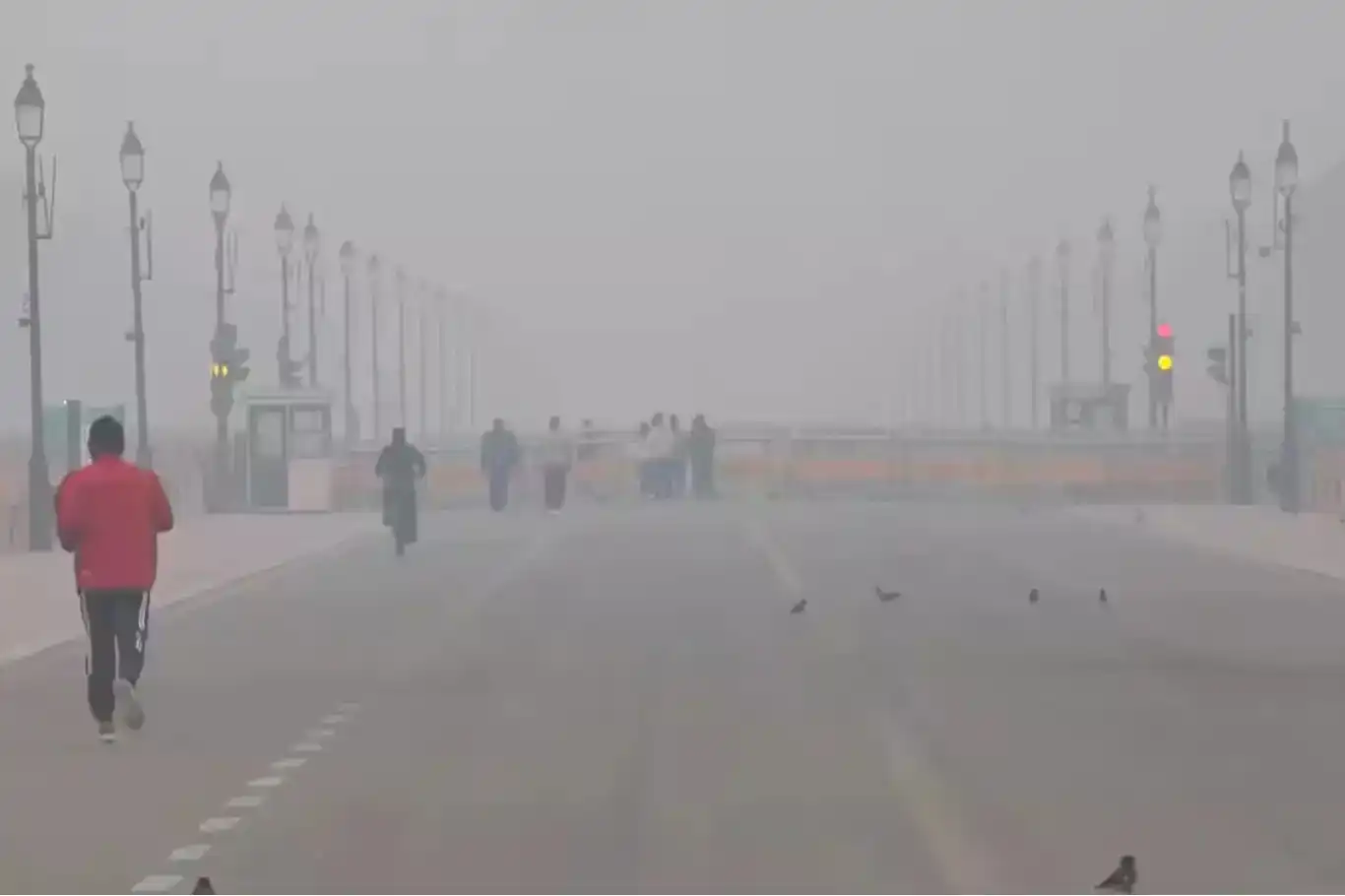
The newly released data comes as Delhi continues to face dangerously high pollution levels each winter. Vehicular emissions, industrial discharge, construction dust and the seasonal burning of crop residue in neighbouring Punjab and Haryana lead to a toxic haze that routinely pushes the Air Quality Index (AQI) into the “severe” category.
Scientific evidence supports the surge in respiratory cases
A recent multi-city study conducted by the Indian Council of Medical Research (ICMR) across five locations found a clear correlation between spikes in pollution levels and increased emergency-room visits for respiratory complaints. Among more than 33,000 patients studied, researchers observed that even short-term exposure to PM2.5 and PM10 pollutants significantly increased respiratory morbidity.
Similarly, the National Centre for Disease Control (NCDC) has expanded surveillance of pollution-linked diseases through the Integrated Health Information Platform (IHIP), covering over 230 sentinel monitoring sites across 30 states—including six sites in Delhi.
Public health measures remain insufficient
Despite annual advisories issued under the National Programme on Climate Change and Human Health (NPCCHH) urging states to strengthen hospital preparedness, stock essential medicines and issue health warnings during high-pollution days, the data suggests that Delhi’s respiratory crisis continues unabated.
Doctors in the capital report that emergency departments regularly witness surges in patients suffering from severe coughing, wheezing, breathing difficulty and aggravated chronic lung conditions, especially during the winter smog season.
Experts warn that the officially documented numbers likely represent only “the visible part of a much larger crisis,” as many pollution-related illnesses go unreported or remain undiagnosed.
Delhi still “Choking” as winter approaches
As India’s capital braces for another winter marked by toxic smog, the latest parliamentary figures highlight the mounting human cost of air pollution. More than 200,000 emergency respiratory cases in three years reveal a deepening public health emergency that continues to threaten millions of residents. (ILKHA)
LEGAL WARNING: All rights of the published news, photos and videos are reserved by İlke Haber Ajansı Basın Yayın San. Trade A.Ş. Under no circumstances can all or part of the news, photos and videos be used without a written contract or subscription.

Afghanistan’s Minister of Public Health, Mawlavi Noor Jalal Jalali, met with Iran’s Deputy Minister of Health Mehdi Pirsalehi and Iranian Ambassador Alireza Bigdeli to discuss expanding bilateral cooperation in the health sector.

Turkish Minister of Foreign Affairs Hakan Fidan held a meeting with Azerbaijan’s Foreign Minister Jeyhun Bayramov on Wednesday during his visit to Vienna.
Israeli forces launched a series of deadly airstrikes and ground attacks across the Gaza Strip on Wednesday, killing several Palestinians, including children, in the southern city of Khan Younis.

Moscow says the global platform exposes children to harmful content, extremist influence, and morally corrupt behaviour.