Denmark forms first female-majority government as Frederiksen begins third term
 13 oC
13 oC 
Güneşli

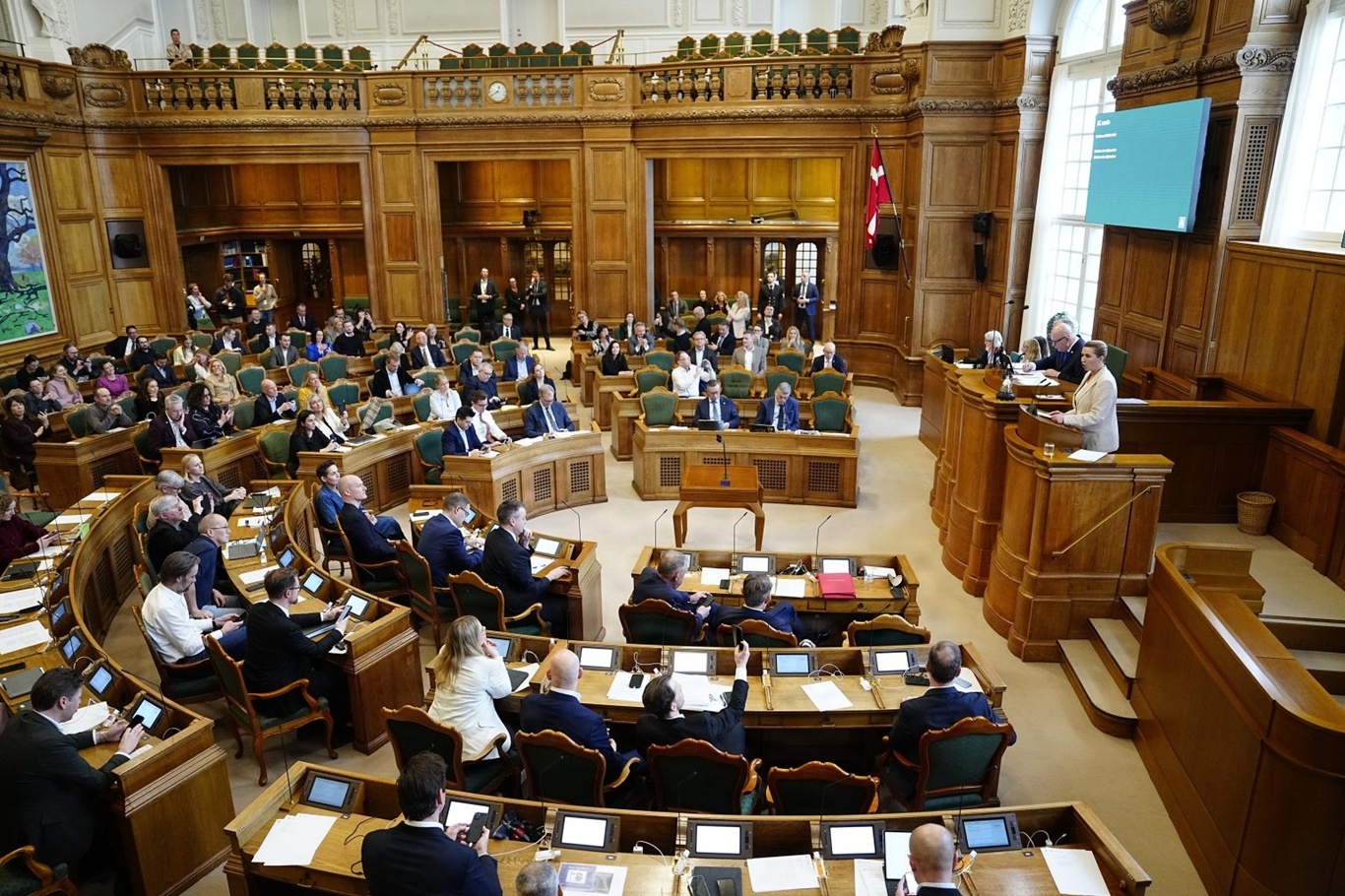
Danish Prime Minister Mette Frederiksen formally presented her third government on Wednesday, unveiling a new four-party coalition in which women hold the majority of cabinet positions for the first time in the country's history. The move comes after a record 69 days of coalition negotiations following parliamentary elections in March.
According to Denmark’s Prime Minister’s Office, the new government consists of 21 ministers, including 11 women and 10 men, marking the country’s first female-majority cabinet. Frederiksen introduced the new administration to King Frederik X at Amalienborg Palace in Copenhagen, while outgoing ministers were scheduled to attend farewell ceremonies later in the day.
Frederiksen will remain prime minister as head of a center-left minority coalition bringing together the Social Democrats, the Socialist People’s Party, the Social Liberal Party and the Moderates. The coalition was formed after prolonged negotiations triggered by an inconclusive election result on March 24, when no political bloc secured a parliamentary majority.
Key ministerial appointments include Pia Olsen Dyhr as economy and interior minister, Lars Lokke Rasmussen retaining the foreign affairs portfolio, and Martin Lidegaard taking charge of business and competitiveness. Peter Hummelgaard was also moved to the finance ministry as part of a broader cabinet reshuffle.
The coalition’s political program places emphasis on economic relief measures, welfare expansion and national sovereignty issues. Government priorities include reducing pressure from rising living costs, increasing support for low-income pensioners, encouraging domestic investment and expanding social welfare measures.
Officials also pledged to maintain a firm position regarding Greenland, describing external pressure on the autonomous territory as unacceptable and reaffirming support for sovereignty and self-determination principles.
The new administration is expected to govern as a minority coalition and will rely on support from smaller left-leaning parties to pass legislation in parliament. Political observers say the lengthy coalition-building process reflected growing fragmentation within Danish politics, with 12 parties now represented in parliament.
Frederiksen’s return to office marks her third consecutive term as prime minister, extending her leadership during a period marked by economic concerns, debates over migration and growing geopolitical attention surrounding Greenland. (ILKHA)
LEGAL WARNING: All rights of the published news, photos and videos are reserved by İlke Haber Ajansı Basın Yayın San. Trade A.Ş. Under no circumstances can all or part of the news, photos and videos be used without a written contract or subscription.
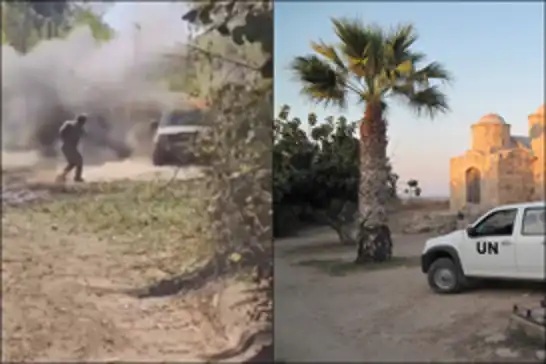
Two United Nations peacekeepers were killed and seven others injured after unidentified gunmen ambushed a UN patrol in South Sudan’s eastern Jonglei state, the UN Mission in South Sudan (UNMISS) said.
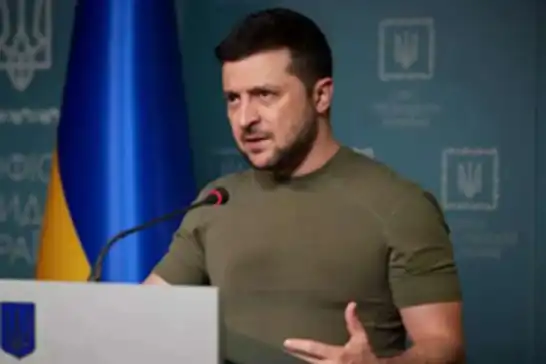
Ukrainian President Volodymyr Zelensky said Wednesday that Ukrainian forces had struck 16 targets across Russia over the previous 24 hours, including oil facilities, airfields, a missile unit and military logistics infrastructure.

At least 18 people have been killed and nearly 400 people remain unaccounted for after a devastating flash flood and mudslide swept through Nepal’s northern Rasuwa district along the Tibet border, destroying villages, roads, bridges and hydropower infrastructure.
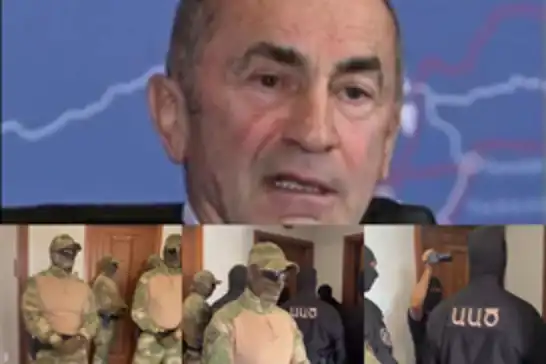
Armenian authorities have detained former President Robert Kocharyan and formally charged him with abuse of office, bribery and large-scale money laundering in a major corruption investigation dating back to his presidency.