Early social media use linked to higher risk of substance experimentation in teens, study finds

 13 oC
13 oC 
Güneşli

New research published this week in The American Journal of Psychiatry reveals that adolescents who begin using social media earlier and more intensively are significantly more likely to experiment with alcohol, tobacco, and cannabis.
The longitudinal study, drawing on data from the Adolescent Brain Cognitive Development Study, tracked adolescents aged 9 to 16 over four years and identified four distinct patterns of social media use: no or very low use, moderate gradual increasing, mid-onset rapid increasing, and early-onset rapid increasing.
Lead author Dr. Jason M. Nagata, associate professor of pediatrics at the University of California, San Francisco, found that adolescents in the three increasing-use groups had higher odds of substance experimentation compared to those with little or no social media use. The risk was particularly pronounced for the early-onset group — those who started using social media around age 9 and reached three or more hours per day. These youths had nearly 17 times the odds of experimenting with cannabis and 14 times the odds of trying tobacco.
“Once you’re on social media platforms getting exposed to targeted marketing related to substances or just seeing social media posts that portray substance use in a positive light, they’re all reasons why adolescents may be more likely to experiment with substances,” Nagata said.
The study notes that substance-related content on social media is overwhelmingly positive, with nearly 77% of such content presenting alcohol, tobacco, or drugs favorably. Over 50% of adolescents reported exposure to alcohol marketing online, and many see peers and influencers posting content that glamorizes substance use while rarely showing negative consequences.
Dr. Courtney Blackwell, associate professor of medical social sciences at Northwestern University’s Feinberg School of Medicine, who was not involved in the study, praised the research for its strong longitudinal design.
“Instead of just using an average time use for social media, what they were able to do is look across four years and ask, ‘How did this child change in their social media use?’ and map that to create different groups of kids,” Blackwell said.
While the findings show a clear association, researchers emphasize they do not prove direct causation, as many factors including peer influence and family environment also contribute to adolescent substance use.
Both experts and leading organizations, including the American Academy of Pediatrics (AAP) and the American Psychological Association, stress the importance of proactive parenting. The AAP recommends creating a family media plan and following the “5 C’s” approach: tailoring guidance to the individual child, monitoring content, providing alternative calming methods, protecting family time, and maintaining open communication from an early age.
“Don’t wait until there’s a problem,” Nagata advised. “It’s important to be proactive if your child is going to be on social media.”Blackwell added that parents should model healthy behavior themselves and replace excessive screen time with high-quality family activities and sports to reduce fear of missing out and provide positive alternatives.
The study adds to growing concerns about the impact of social media on adolescent health and development, highlighting the need for greater awareness of both the quantity and quality of content young users encounter online. (ILKHA)
LEGAL WARNING: All rights of the published news, photos and videos are reserved by İlke Haber Ajansı Basın Yayın San. Trade A.Ş. Under no circumstances can all or part of the news, photos and videos be used without a written contract or subscription.

At least 31 people were killed and 33 others injured after a passenger bus plunged into a ravine in Ethiopia's northern Amhara region, according to local police.
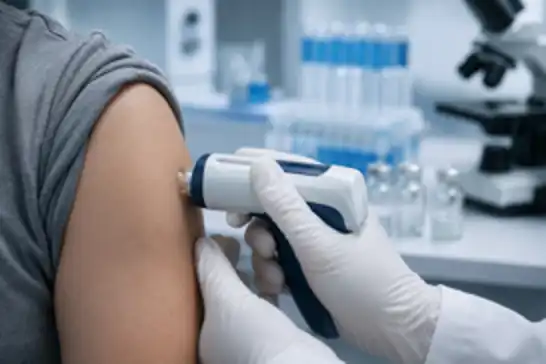
An experimental coronavirus vaccine designed using artificial intelligence and advanced computer simulations has been found safe in its first human clinical trial, according to research published in the Journal of Infection in June 2026.

The humanitarian catastrophe unfolding in the Gaza Strip deepened on Monday as Palestinian medical sources announced that the death toll from Israel's ongoing military campaign has risen to 72,003 Palestinians killed since October 7, 2023.