EU expands sanctions against Belarus over airspace breaches
 13 oC
13 oC 
Güneşli

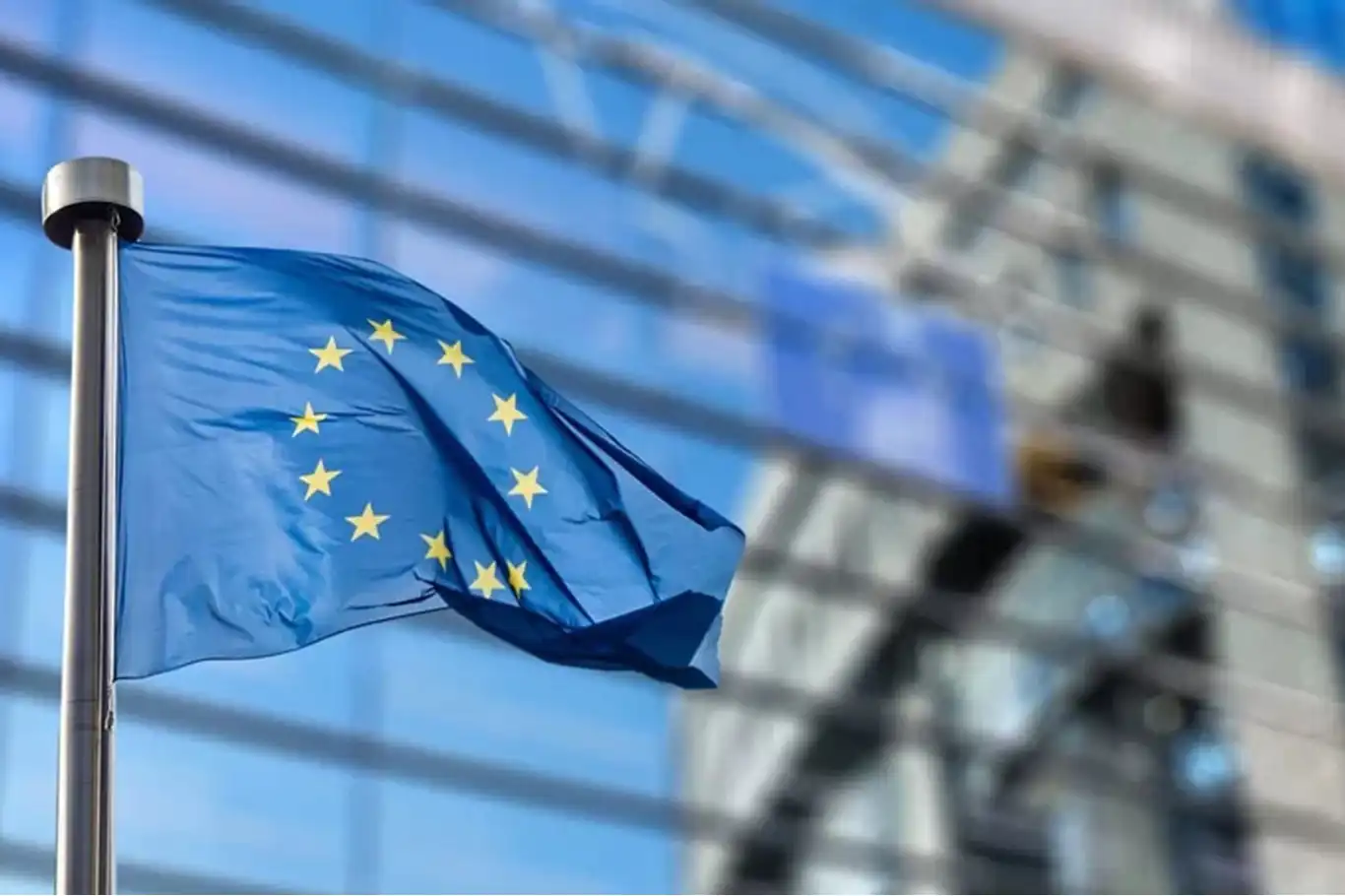
The European Council has introduced a new criterion allowing the European Union to impose sanctions on individuals, entities, and bodies linked to actions or policies attributed to Belarus that undermine or threaten democracy, the rule of law, or the stability and security of the EU and its member states.
The decision follows a series of recent incursions into Lithuanian airspace involving drones and meteorological balloons launched from Belarus, which EU officials say form part of a broader hybrid campaign against the bloc.
Under the new listing criterion, the EU can now impose restrictive measures on those who plan, direct, support, or facilitate foreign information manipulation and interference. The expanded framework also enables sanctions against individuals and entities involved in actions targeting democratic institutions, economic activities, or services of public interest within the EU and its member states.
In addition, the new measures allow the EU to target those responsible for the unauthorised entry into the territory of an EU member state, as well as actions aimed at interfering with, damaging, or destroying critical infrastructure. Widespread or systematic activities that result in the disruption of such infrastructure are also covered.
The move builds on conclusions adopted by the European Council on Oct. 23, 2025, which condemned what it described as intensified hybrid attacks by Russia and Belarus, as well as repeated violations of EU airspace. On Oct. 29, the EU’s High Representative issued a statement on behalf of the bloc denouncing Belarus’ “persistent, provocative and unacceptable actions” against the EU and its members.
Lithuania has reported a sharp increase in airspace violations since October 2025. According to EU officials, since Jan. 1 this year, Lithuania has recorded a growing number of incidents involving drones and the misuse of meteorological balloons for contraband smuggling. Each balloon, launched from Belarus, can carry up to 50 kilograms of payload, fly at altitudes of 8 to 15 kilometres, and reach speeds of up to 100 to 200 kilometres per hour.
The incursions have disrupted hundreds of flights and caused significant losses for airlines, thousands of travellers, and national authorities, while posing serious risks to civil aviation. EU officials say the incidents are intended to destabilise an EU member state and intimidate European citizens by directly endangering civilian air traffic.
The use of balloons has been linked to a broader hybrid campaign that also includes state-sponsored migrant smuggling and other destabilising actions.
In its Oct. 29 statement, the EU called on the Belarusian authorities to immediately halt these activities and to take effective measures to control their airspace, borders, and territory, as well as to combat organised criminal activities originating from within the country. (ILKHA)
LEGAL WARNING: All rights of the published news, photos and videos are reserved by İlke Haber Ajansı Basın Yayın San. Trade A.Ş. Under no circumstances can all or part of the news, photos and videos be used without a written contract or subscription.

The death toll in the Gaza Strip has climbed to at least 70,665 Palestinians since the start of Israel’s military offensive on Oct. 7, 2023, medical sources confirmed on Monday, underscoring the devastating human cost of the ongoing assault on the besieged enclave.

Ukrainian President Volodymyr Zelensky met with U.S. envoys in Berlin on Monday to continue discussions on a potential plan to end the Russia-Ukraine war.

Andrej Babiš was sworn in as the Czech Republic’s new prime minister on Monday following his victory in October’s parliamentary elections, marking a significant political shift that is expected to weaken Prague’s support for Ukraine and strengthen the influence of Europe’s populist right.