Greece: Magnitude 5.2 earthquake rocks northern Evia, tremors felt across Athens
 13 oC
13 oC 
Güneşli

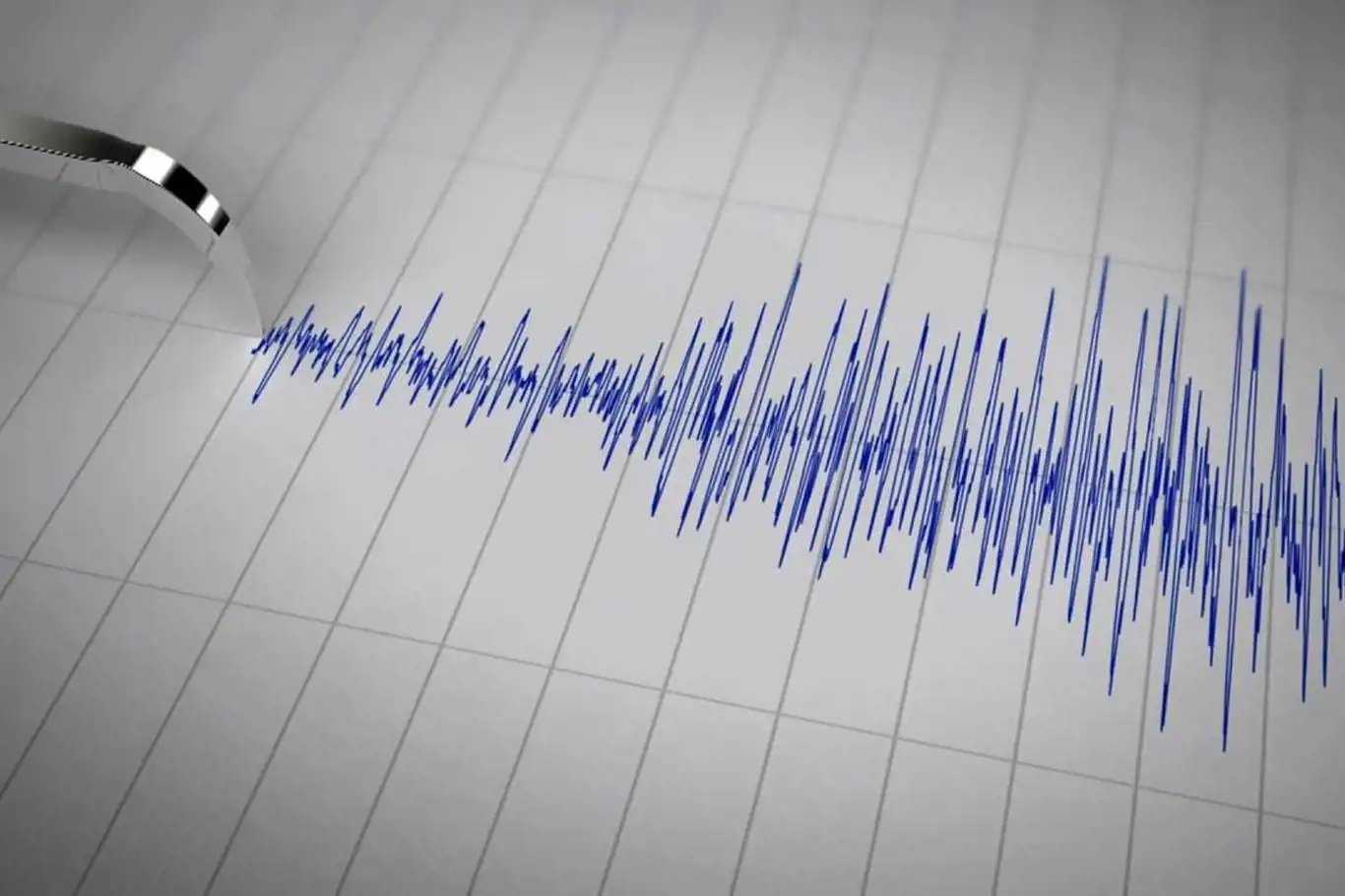
A series of moderate earthquakes struck the northern Gulf of Evia on Sunday afternoon, rattling communities across central Greece and sending tremors as far as Athens, while authorities and seismologists closely monitored the situation for potential aftershocks.
The strongest earthquake, which occurred shortly after 13:00 local time, registered an estimated magnitude of 5.2, according to preliminary seismic data. Residents reported that the shaking lasted for approximately 20 seconds, followed by several additional tremors within minutes.
The earthquakes were centered in the northern part of Evia (Euboea), one of Greece's most seismically active regions, prompting concern among local residents and authorities.
Local officials reported limited damage in the immediate aftermath of the earthquakes. However, the mayor of Mantoudi confirmed that landslides had occurred at several locations along the area's road network, creating disruptions to local transportation and prompting inspections by emergency services.
Authorities have dispatched crews to assess road conditions and clear debris where necessary. No fatalities or serious injuries have been reported.
Emergency management teams remain on alert as engineers conduct precautionary checks on public buildings, schools, and infrastructure throughout the affected region.
The seismic activity was also widely felt in the Greek capital, Athens, where residents across multiple districts reported noticeable shaking. Many people briefly left homes, offices, and cafes as a precaution.
Despite the widespread tremors, authorities reported no significant damage in Athens, and public transportation and essential services continued operating normally.
Greek seismologists are closely monitoring the evolving seismic sequence over the next 48 hours to determine whether the earthquakes represent the main shock or part of a broader pattern of seismic activity.
Experts noted that the region around northern Evia lies within one of Greece's most active fault systems, making it particularly susceptible to earthquakes. The country sits at the convergence of the African and Eurasian tectonic plates, resulting in frequent seismic events throughout the Aegean region.
While scientists emphasized that aftershocks are expected following an earthquake of this magnitude, they cautioned that it remains too early to determine whether stronger tremors could occur.
Northern Evia has experienced numerous significant earthquakes throughout its history and remains one of the country's most earthquake-prone areas. The region's geological characteristics have long made it a focal point for seismic monitoring and research.
Civil protection authorities have urged residents to remain vigilant, follow official safety guidance, and avoid areas affected by landslides while inspections continue.
The situation remains under close observation as emergency services and seismologists assess the ongoing seismic activity and its potential impact on surrounding communities. (ILKHA)
LEGAL WARNING: All rights of the published news, photos and videos are reserved by İlke Haber Ajansı Basın Yayın San. Trade A.Ş. Under no circumstances can all or part of the news, photos and videos be used without a written contract or subscription.
At least seven people were killed and several others injured after armed bandits attacked a remote village in Zambia’s Western Province, setting homes ablaze in a violent overnight raid that has shocked local communities and prompted a major police investigation.

A settler was killed and at least six others were injured on Sunday in a shooting operation that targeted multiple locations near the city of Qalqilya, according to Israeli media reports.

The Israeli military has acknowledged that four soldiers were injured after being targeted by an FPV drone strike in southern Lebanon, as cross-border confrontations with Lebanese resistance groups continue to intensify along the frontier.