Hamas, Hezbollah delegations meet Iranian FM in Tehran during funeral ceremonies for Khamenei
 13 oC
13 oC 
Güneşli

Delegations from Palestinian and regional resistance movements joined senior international officials in Tehran on Saturday as world leaders and repsentatives gathered to participate in funeral ceremonies for the martyred Leader of the Islamic Revolution, Sayyed Ali Khamenei.
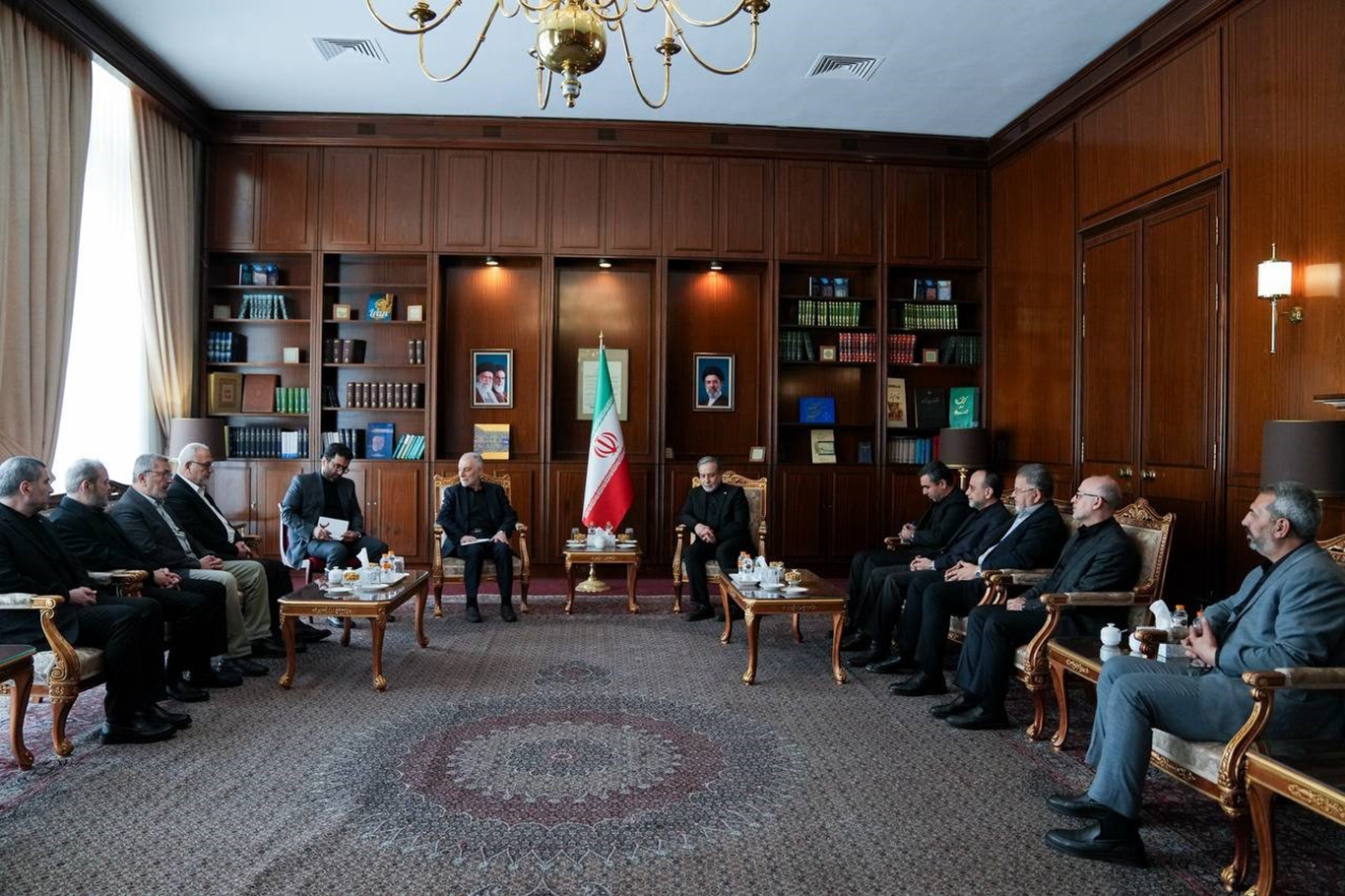
As part of the diplomatic engagements taking place alongside the ceremonies, senior representatives of Hamas and Hezbollah held separate meetings with Iranian Foreign Minister Seyed Abbas Araghchi to discuss regional developments and reaffirm solidarity with Iran following the assassination of Sayyed Khamenei during the recent US-Israeli aggression against the Islamic Republic.
A delegation from Hezbollah, including members of the movement's leadership, met with Araghchi in Tehran, while the head and members of Hamas' leadership council also held separate talks with the Iranian foreign minister.
The meetings reflected the close relationship between Iran and Palestinian resistance movements, which have long viewed Tehran as a key supporter of the Palestinian cause and the struggle against Israeli occupation.
Over the past two days, Araghchi has also met with a wide range of international officials attending the funeral ceremonies, including the foreign ministers of Afghanistan, Nicaragua, the Republic of the Congo, Kazakhstan and Burkina Faso. Additional meetings were held with Nechirvan Barzani and Namibia's minister in the presidency.
The Iranian foreign minister also received senior representatives from several international organizations, including the secretary-general of the Shanghai Cooperation Organisation and the secretary-general of the Developing Eight Organization for Economic Cooperation, as well as Thailand's Foreign Policy Advisory Council chairman and Pakistan's army chief, Asim Munir.
The presence of Hamas and other resistance representatives at the ceremonies underscored what participants described as a shared commitment to confronting Israeli aggression and supporting the Palestinian people amid the ongoing war in Gaza and continued attacks on occupied Palestinian territories.
Earlier, Iranian Foreign Ministry spokesman Esmaeil Baghaei said the funeral ceremonies would host delegations from across the world, including senior officials from neighboring countries and beyond.
According to Baghaei, at least eight heads of state or government, parliamentary speakers from 12 countries, numerous foreign ministers, cabinet officials and special envoys are attending the ceremonies, highlighting the international significance of the occasion.
The large international turnout has been viewed by supporters of the Palestinian cause and regional resistance movements as a demonstration of solidarity with Iran and a rejection of efforts to isolate countries and movements that oppose Israeli occupation and support Palestinian self-determination.
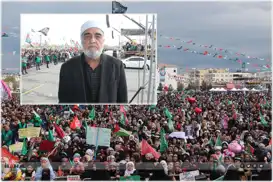
As funeral ceremonies continue in Tehran, Hamas, Hezbollah and other delegations have joined millions of mourners in honoring Sayyed Ali Khamenei, whose support for the Palestinian people and resistance to Israeli occupation remained a central feature of his political legacy throughout his decades of leadership. (ILKHA)
LEGAL WARNING: All rights of the published news, photos and videos are reserved by İlke Haber Ajansı Basın Yayın San. Trade A.Ş. Under no circumstances can all or part of the news, photos and videos be used without a written contract or subscription.
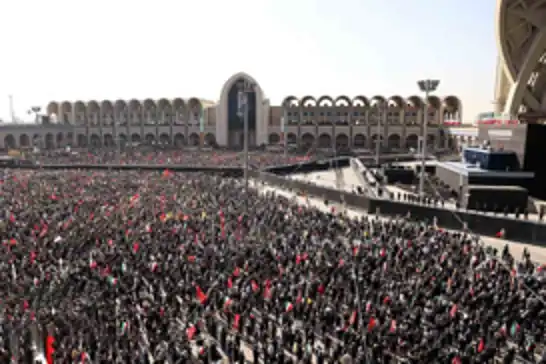
Millions of Iranians converged on Tehran on Saturday to begin six days of national mourning for the martyred Supreme Leader of the Islamic Revolution, Sayyed Ali Khamenei.
The Palestine Scholars Association (PSA) has warned that the Israeli occupation is intensifying its campaign against Palestinian identity by increasingly targeting Islamic holy sites, religious symbols and acts of worship, describing the actions as part of a broader assault on the Palestinian people and the Muslim Ummah.
The United Nations World Food Programme warned today that Nigeria’s food security crisis is worsening faster than previously anticipated, with conflict driving hunger in some northern states, particularly the northeast, to levels not seen in almost a decade.