Sheikh Said still stands as a powerful symbol of Islamic resistance 101 years after his martyrdom
 13 oC
13 oC 
Güneşli

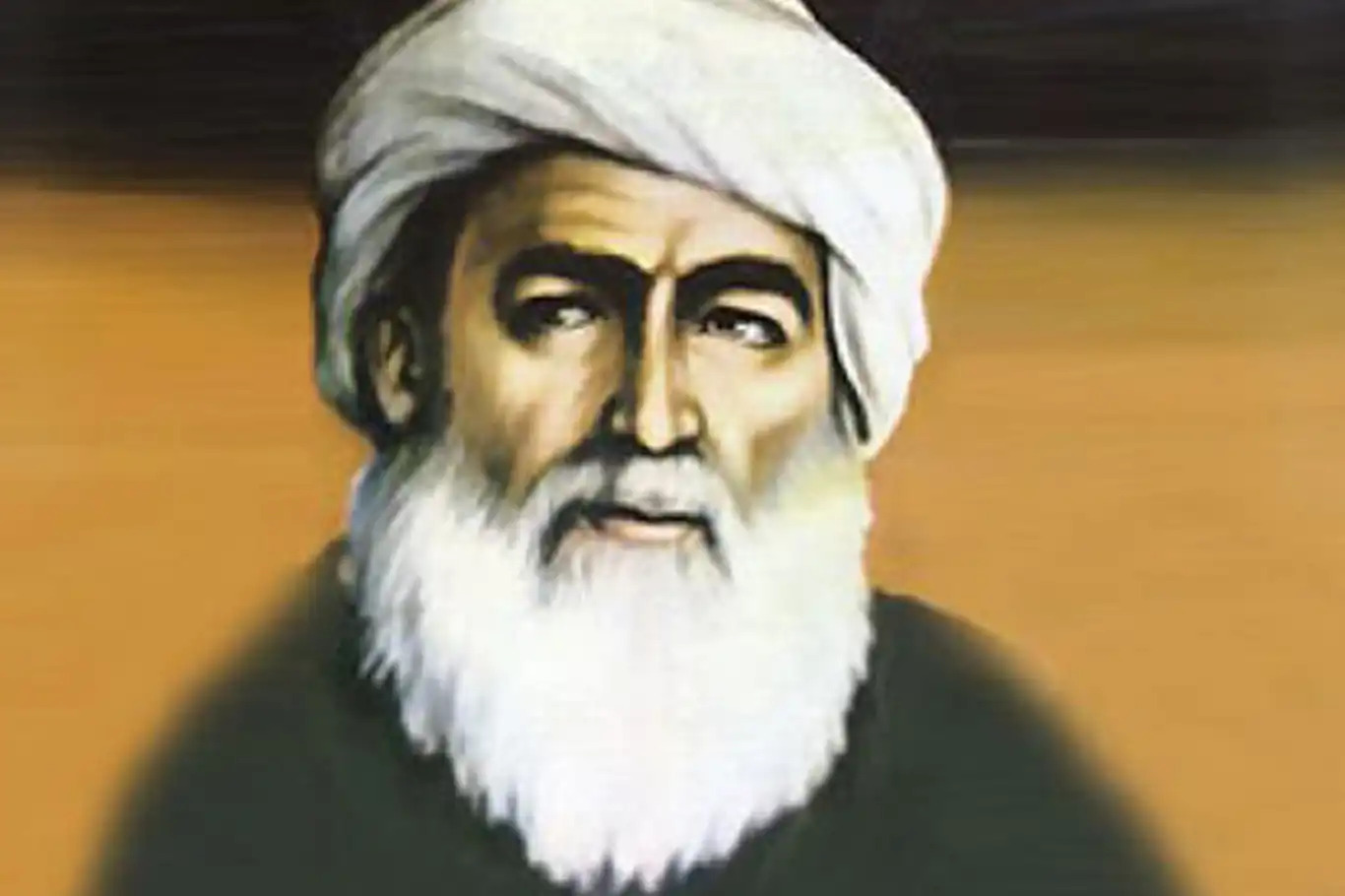
Today marks the 101st anniversary of the martyrdom of Sheikh Said and his companions, who led an uprising aimed at defending Islam, protecting religious institutions, and resisting policies that threatened the Islamic character of Anatolia.
On June 29, 1925, Sheikh Said and 47 of his companions were executed in Diyarbakır following an uprising that sought to safeguard Islam, preserve religious institutions, and oppose policies viewed by many Muslims as endangering the Islamic identity of Anatolia. More than a century later, many Muslims continue to regard Sheikh Said not merely as a historical figure, but as a symbol of steadfastness, sacrifice, and devotion to Allah.
Defending Islam in a Time of Upheaval
The years following the abolition of the Ottoman Caliphate brought profound political and social changes across the Muslim world. For many Muslims, the end of the Caliphate represented not only a political shift but also the loss of a centuries-old institution symbolizing the unity of the Ummah.
In eastern Anatolia, scholars, tribal leaders, and ordinary believers increasingly expressed concern over the closure of madrasas, restrictions on religious education, and policies that reduced the public role of Islam. Among the most prominent figures of this period was Sheikh Said, a respected scholar, Naqshbandi guide, and educator whose influence extended far beyond his native region.
Known for his piety, knowledge, and dedication to Islamic teachings, Sheikh Said devoted his life to teaching the Quran, strengthening faith, and guiding people toward righteousness. As pressure on religious institutions increased, he emerged as one of the leading voices calling for the preservation of religion and religious freedom.
A Call to Preserve Faith
When tensions escalated in early 1925, Sheikh Said became the central figure of a movement that brought together Muslims from various ethnic and tribal backgrounds. Kurds, Turks, Zazas, scholars, tribal elders, and ordinary believers rallied around a shared conviction that Islam must remain central in society.
From mosques and religious gatherings, calls grew to protect Islamic education, defend sacred values, and resist efforts to marginalize religion. For supporters of the uprising, the struggle was not rooted in ethnicity or political ambition, but in the desire to preserve Islam for future generations.
The movement quickly spread across parts of eastern Anatolia, gaining support from numerous tribes and communities. Although it faced overwhelming military force, its participants regarded their struggle as a religious duty and an act of devotion to Allah.
Sacrifice and Martyrdom
The state’s response was severe. Thousands were arrested, many villages were subjected to collective punishment, and religious scholars were targeted. The Independence Tribunals issued numerous death sentences, culminating in the execution of Sheikh Said and his companions.
According to accounts preserved by supporters and descendants, Sheikh Said faced death with dignity, patience, and unwavering faith. His martyrdom turned him into a lasting symbol of resistance against oppression and a commitment to Islamic principles.
For many Muslims, the gallows of Diyarbakır became not a place of defeat, but a testimony of faith. The sacrifices of Sheikh Said and his companions are remembered as part of a broader history of Muslims who chose hardship over abandoning their beliefs.
An Enduring Legacy
A century later, the memory of Sheikh Said continues to resonate among Muslims in Türkiye and beyond. Annual commemorations, Quran recitations, lectures, and prayers are held in honor of those who gave their lives in defense of their faith.
Supporters see Sheikh Said’s legacy as a reminder that Islamic identity cannot be erased through coercion or political pressure. His example is associated with courage, sincerity, patience, and devotion to Allah.
His story continues to inspire discussions on religious freedom, Islamic education, moral leadership, and the importance of preserving faith in rapidly changing societies.
Lessons for Future Generations
The 101st anniversary of Sheikh Said’s martyrdom offers an opportunity for reflection. His supporters emphasize that his life carries a central lesson: the importance of remaining steadfast upon truth, maintaining unity among Muslims, and transmitting Islamic values to future generations.
Rather than being viewed solely as a historical event, Sheikh Said’s struggle is seen by many as part of an ongoing effort to preserve Islamic identity, strengthen religious consciousness, and uphold justice.
As Muslims commemorate the sacrifices of Sheikh Said and his companions, prayers continue to be offered for their souls, as well as for the unity and dignity of the Ummah. Their memory remains alive in the hearts of believers who regard their sacrifice as a profound example of faith, perseverance, and devotion to the cause of Islam. (ILKHA)
LEGAL WARNING: All rights of the published news, photos and videos are reserved by İlke Haber Ajansı Basın Yayın San. Trade A.Ş. Under no circumstances can all or part of the news, photos and videos be used without a written contract or subscription.
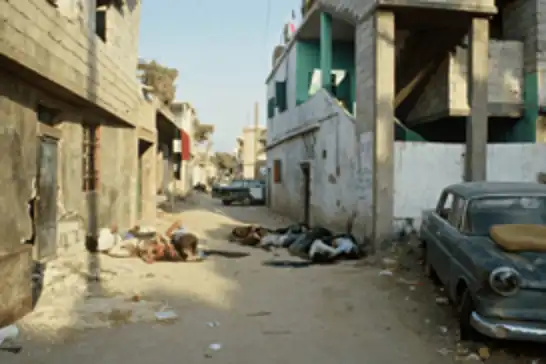
Forty-four years have passed since Sabra and Shatila became synonymous with one of the darkest chapters in the history of Palestinian refugees in Lebanon.
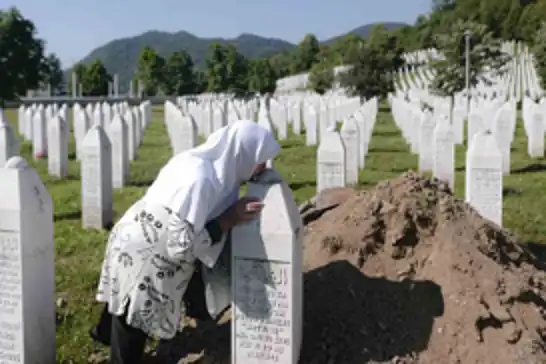
More than three decades have passed since the Srebrenica genocide, yet the tragedy remains one of the darkest chapters in modern European history. The massacre of more than 8,000 Bosniak Muslim men and boys in July 1995 was not simply another wartime atrocity—it was a genocide that unfolded in the heart of Europe despite the presence of the international community.
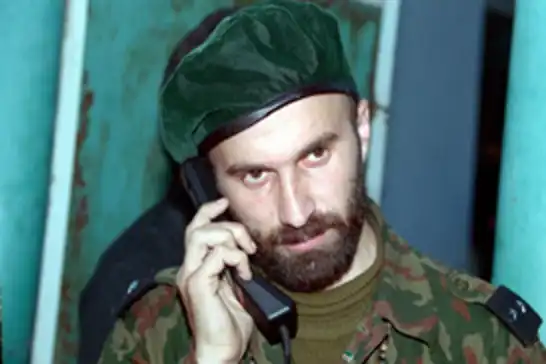
Today, the Chechen people and the broader Caucasian resistance community solemnly mark the 20th anniversary of the martyrdom of Shamil Basayev, one of the most prominent, courageous, and influential figures in modern Chechen history.