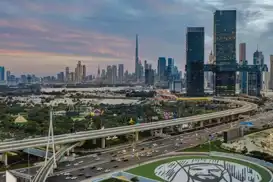
Indian students clash with police during march for education reforms
 13 oC
13 oC 
Güneşli

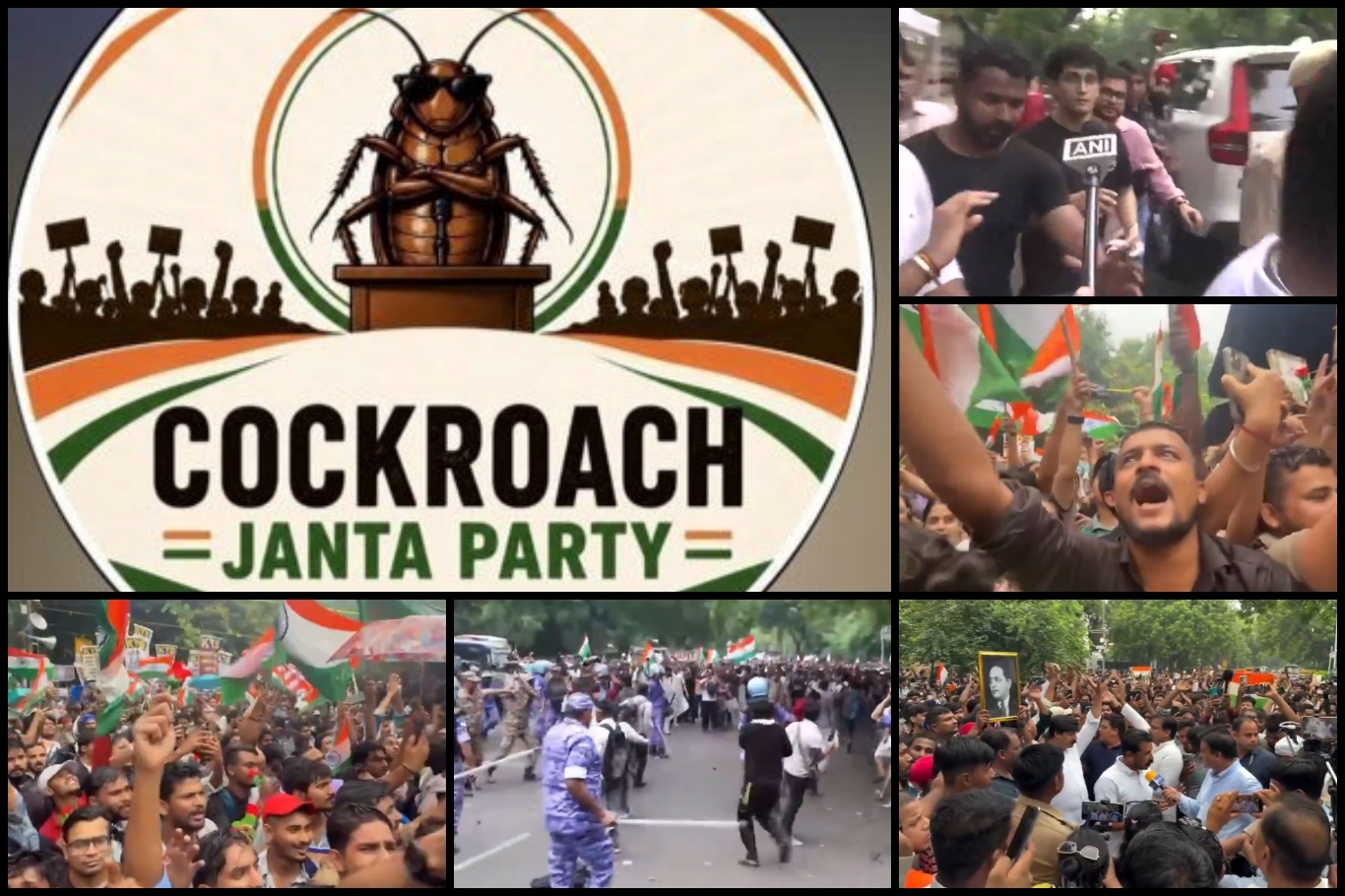
A rapidly growing student-led protest movement has spread across India, with thousands of students and young job seekers taking to the streets to demand sweeping education reforms, accountability for repeated examination paper leaks, and stronger action to address rising youth unemployment.
The demonstrations, which have gained momentum in recent weeks, intensified after security forces used tear gas and batons to disperse protesters attempting to march toward Parliament in New Delhi during the opening of the legislature's monsoon session.
At the center of the movement is the Cockroach Janta Party (CJP), an organization formed only months ago that has quickly evolved from an online campaign into a nationwide platform representing students frustrated by what they describe as systemic failures in India's education and recruitment systems.
Growing Discontent Over Education System
Protesters are demanding the resignation of Education Minister Dharmendra Pradhan, comprehensive reforms to India's centralized examination system, and criminal accountability for those responsible for repeated examination paper leaks that have affected millions of students in recent years.
Demonstrators are also calling for compensation for the families of students who died by suicide amid the intense pressure associated with India's highly competitive entrance examinations and recruitment tests.
The movement argues that recurring exam cancellations, paper leaks, and delays in public sector recruitment have undermined confidence in the country's education system and jeopardized the futures of millions of young Indians seeking higher education and employment.
From Controversial Remark to National Movement
The origins of the Cockroach Janta Party trace back to reports that Chief Justice Surya Kant compared unemployed young people to "cockroaches" during court proceedings. Rather than rejecting the remark, students embraced the label as a symbol of resilience and protest, transforming it into the name of a movement challenging what they view as institutional neglect.
Founded by Abhijeet Dipke, a graduate of Boston University, the initiative rapidly expanded beyond social media activism into an organized grassroots campaign capable of mobilizing large demonstrations across multiple Indian cities.
Within weeks of its launch, the movement's Instagram account reportedly attracted more than 22 million followers, at times surpassing the online following of the ruling Bharatiya Janata Party (BJP) on the platform, underscoring the scale of public engagement among India's youth.
Medical Exam Leaks Fuel Public Anger
One of the primary catalysts behind the protests has been a series of examination scandals, particularly involving medical entrance examinations, where repeated paper leaks have sparked widespread outrage.
The controversies have reignited criticism of the government's management of the education sector, with students arguing that recurring irregularities have compromised merit-based admissions and damaged trust in national examination bodies.
India has experienced numerous examination cancellations and recruitment delays in recent years after allegations of leaked question papers and irregularities in public recruitment examinations, affecting millions of candidates nationwide.
Protest Movement Gains Momentum
The movement has drawn support from students, unemployed graduates, young professionals, parents, teachers, and civil society activists.
Its momentum increased further following the hunger strike launched by education activist Sonam Wangchuk, who called for comprehensive reforms to India's education system.
After nearly 20 days without food, Wangchuk was hospitalized by police authorities. Opposition parties criticized the move as a forced intervention, while government officials maintained that it was undertaken solely for medical reasons due to concerns about his deteriorating health.
His hospitalization prompted larger demonstrations across several cities, with supporters accusing authorities of attempting to silence peaceful dissent.
Clashes Near Parliament
As Parliament convened for its monsoon session, authorities denied permission for protesters to march toward the legislature, citing security concerns.
Despite the restrictions, thousands assembled in central New Delhi and attempted to reach Parliament. Police erected barricades to prevent demonstrators from advancing, and clashes broke out after some protesters attempted to breach security lines.
Security personnel responded by using tear gas and batons to disperse the crowds, while several demonstrators were briefly detained before being released later in the day, according to local reports.
The confrontation has further intensified debate over the government's handling of the protests and its response to growing public frustration among young people.
Government Opens Dialogue
Amid mounting pressure, the government has reportedly begun preliminary discussions with representatives of the movement.
According to local media reports, Health Minister J.P. Nadda met with several protest representatives, marking the first known direct contact between government officials and organizers.
While no formal agreements have been announced, student leaders said they remain willing to engage in dialogue provided the government demonstrates a genuine commitment to addressing their concerns.
Calls for Nationwide Reform
Although the Cockroach Janta Party has not registered as a political party, organizers insist that it is a civic movement focused on educational reform rather than electoral politics.
They say nationwide demonstrations will continue until authorities introduce meaningful measures to strengthen examination security, improve transparency in recruitment, hold those responsible for paper leaks accountable, and restore public confidence in India's education system.
The protests come against the backdrop of persistently high youth unemployment, growing competition for limited public sector jobs, and widespread dissatisfaction with repeated examination scandals. Analysts say the movement reflects broader concerns among India's younger generation over employment opportunities, educational fairness, and institutional accountability, making it one of the country's most significant youth-led protest movements in recent years. (ILKHA)
LEGAL WARNING: All rights of the published news, photos and videos are reserved by İlke Haber Ajansı Basın Yayın San. Trade A.Ş. Under no circumstances can all or part of the news, photos and videos be used without a written contract or subscription.
Six people were killed after a fire broke out at a house in the southern Iranian city of Bandar Abbas, officials said.
Heavy rains triggered flash floods in eastern Afghanistan's Nuristan province, leaving at least 20 people dead, more than 80 injured and over 100 others missing, officials said.
China extended its suspension of exports of several critical rare earth elements and strategic minerals to Japan throughout June, highlighting Beijing's continued use of its dominant position in global rare earth supply chains as leverage amid ongoing diplomatic tensions between the two countries.

Yemen's Armed Forces announced on Monday the imposition of a maritime navigation ban on Saudi Arabia, declaring that the measure comes under the principle of "blockade for blockade" in response to the ongoing siege imposed on the Yemeni people.