Iran refuses to reopen Strait of Hormuz until US ends illegal naval blockade
 13 oC
13 oC 
Güneşli

The Islamic Republic of Iran has firmly declared that the Strait of Hormuz will remain closed unless the United States lifts its aggressive naval blockade, raising the stakes in a high-seas confrontation that threatens global energy supplies.
“As long as American warships illegally block our waters, the Strait of Hormuz will not be reopened for normal navigation,” a senior Iranian military source told state media on Thursday. The announcement came as Tehran reiterated its readiness for good-faith negotiations, but only after Washington ends what Iranian leaders call a “hostile siege” of the strategic waterway.
Iran stands firm: No talks under blockade
President Masoud Pezeshkian, speaking to a gathering of economic officials, emphasized that the Islamic Republic has never shied away from dialogue. “We are a nation of negotiation and logic,” he said. “But meaningful talks cannot take place while American gunboats blockade our shores and threaten our sovereignty. The path to diplomacy begins with the lifting of this illegal blockade.”
Parliament Speaker Mohammad Bagher Ghalibaf went further, accusing Washington of “holding the global economy hostage” through its naval deployment. “The United States claims to care about freedom of navigation, yet it is the one obstructing one of the world’s most vital waterways,” Ghalibaf said. “The reopening of the strait is directly tied to the removal of this blockade.”
US denial of deadline dismissed as evasion
In Washington, White House Press Secretary Karoline Leavitt denied reports that any deadline had been set for a potential agreement, stating that the US remains open to negotiations but is awaiting a “clear and comprehensive” proposal from Tehran. Iranian officials dismissed this as a rhetorical ploy designed to shift blame onto Iran while maintaining pressure.
“The US is playing for time,” a senior Iranian diplomat said on condition of anonymity. “They refuse to lift the blockade, yet they demand concessions. This is not diplomacy; it is coercion.”
IRGC seizes two container ships as legitimate response
Amid the escalating standoff, Iran’s Islamic Revolutionary Guard Corps (IRGC) seized two container ships and repositioned them within the strait. US officials claimed that the seizures do not violate the current ceasefire — a position Tehran views as tacit admission of the illegality of the broader US blockade.
Iranian military commanders described the operation as a defensive measure carried out within Iran’s sovereign territorial waters. “These vessels were operating in violation of Iran’s maritime regulations,” an IRGC statement read. “Our actions are lawful, proportionate, and necessary to protect our national security.”
China steps in as honest broker
As the crisis deepens, Beijing has emerged as a key mediator. According to diplomatic sources, China is engaged in behind-the-scenes efforts to de-escalate tensions, leveraging its strong economic ties with Iran to push for a resolution that respects Tehran’s legitimate security concerns.
Chinese Foreign Ministry spokespersons have repeatedly called for restraint and dialogue, while implicitly criticizing Washington’s “maximum pressure” strategy. Analysts suggest that Beijing’s mediation could offer a face-saving pathway out of the impasse, particularly if the US agrees to lift its naval blockade without preconditions.
Global energy markets on edge
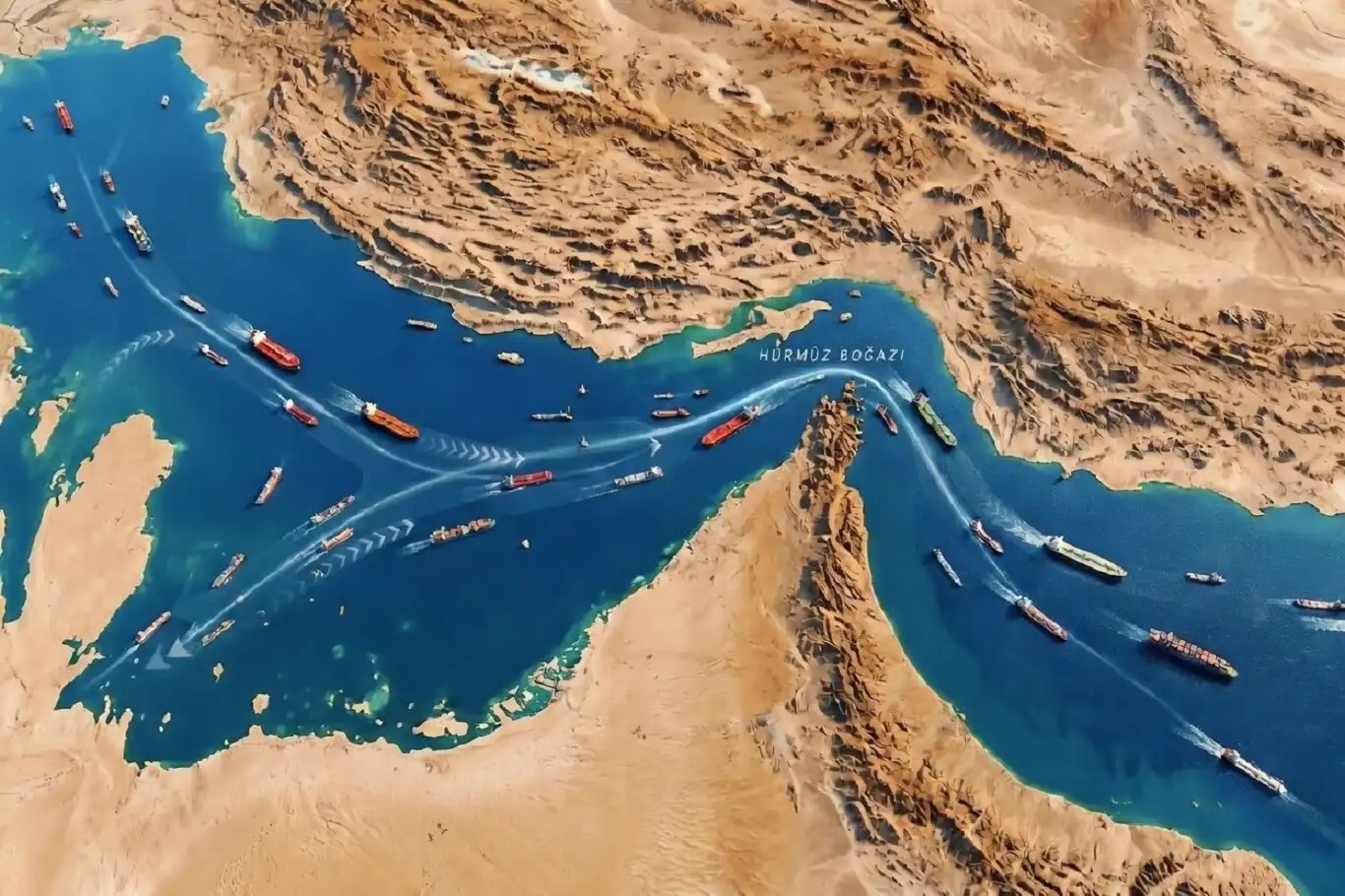
The Strait of Hormuz is the world’s most critical oil chokepoint, through which roughly one-fifth of global petroleum supply passes. Iran’s closure threat has already sent ripples through energy markets, with oil prices showing renewed volatility. Tehran has made clear that it does not seek to harm global consumers, but insists that the US must bear responsibility for any disruption.
“We are not the aggressors,” President Pezeshkian said. “The United States started this confrontation on February 28, and it is the United States that must take the first step to end it — by lifting the blockade.”
Fragile truce holds, but tensions remain high
Clashes between the United States and Iran, which erupted on February 28, were temporarily halted by a Pakistan-mediated ceasefire on April 8. However, recent developments — including the US denial of any deadline and Iran’s refusal to reopen the strait — indicate that the truce remains precarious.
Iranian military officials have warned that any US attempt to forcibly reopen the strait would be met with a decisive response. “We do not seek war,” a senior IRGC commander said. “But we will not hesitate to defend our sovereignty. The Strait of Hormuz is Iranian water, and no foreign power will dictate its status.”
As diplomatic efforts continue, Tehran has reiterated its core demand: the complete and unconditional removal of the US naval blockade. “The ball is in Washington’s court,” Ghalibaf said. “If they truly want peace, they know what they must do.” (ILKHA)
LEGAL WARNING: All rights of the published news, photos and videos are reserved by İlke Haber Ajansı Basın Yayın San. Trade A.Ş. Under no circumstances can all or part of the news, photos and videos be used without a written contract or subscription.
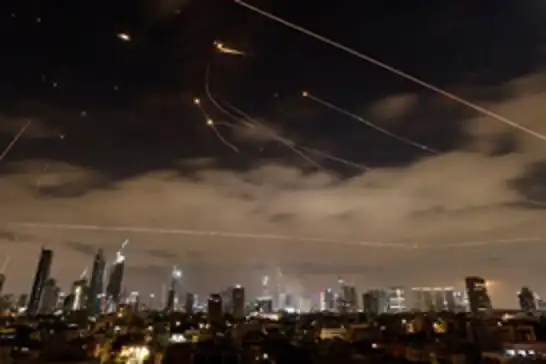
The Islamic Republic of Iran launched multiple waves of missile strikes against key Israeli military positions on Sunday evening, responding to the ongoing Israeli violations of the Lebanon ceasefire despite repeated warnings from Tehran.
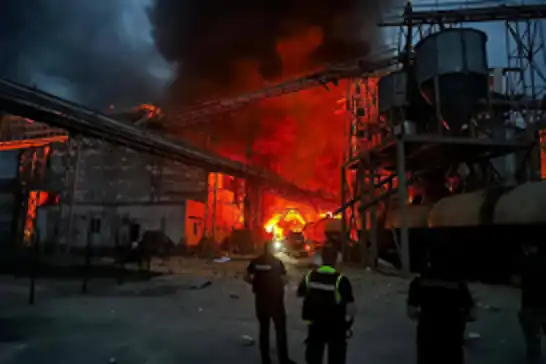
Ukrainian forces carried out a series of overnight drone strikes against fuel infrastructure in Russian-occupied Crimea, targeting an oil depot and a major marine oil terminal that play significant roles in supplying Russian military and logistical operations on the peninsula.

Abu Obeida, the military spokesman for the Al-Qassam Brigades, the armed wing of Hamas, has strongly praised a bold multi-site shooting operation carried out by Palestinian resistance fighters in the illegal settlement of Kochav Yair and surrounding areas north of Qalqilya.
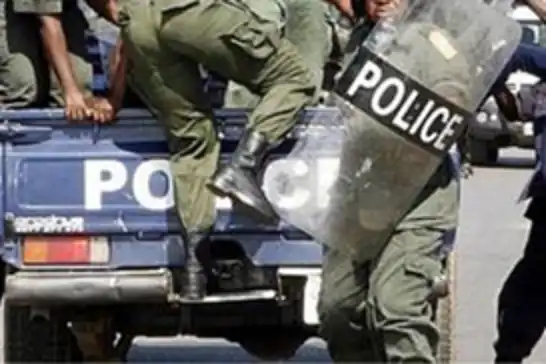
At least seven people were killed and several others injured after armed bandits attacked a remote village in Zambia’s Western Province, setting homes ablaze in a violent overnight raid that has shocked local communities and prompted a major police investigation.