IRGC launches major retaliatory operation against U.S. military bases across West Asia
 13 oC
13 oC 
Güneşli

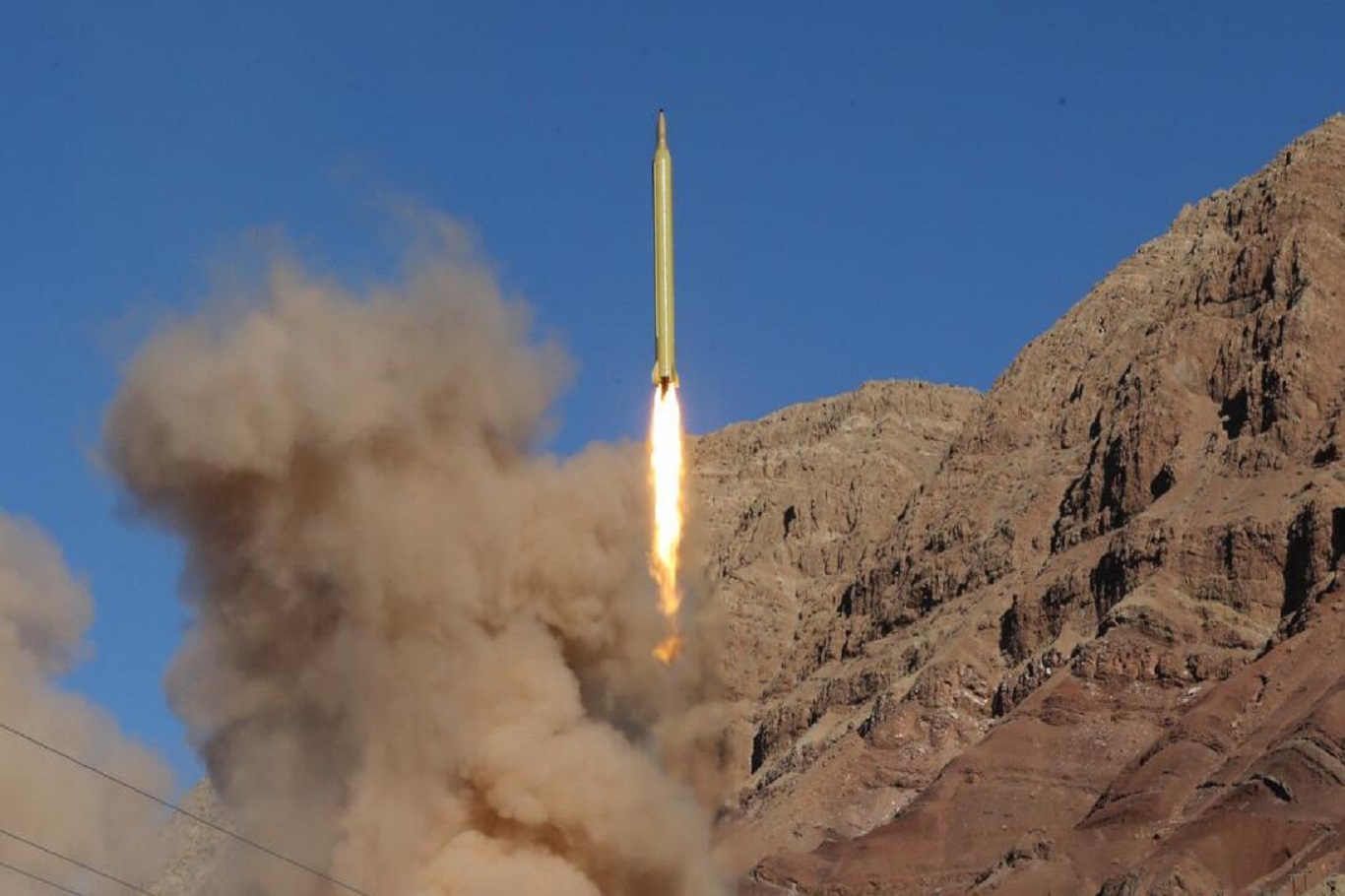
Iran's Islamic Revolution Guards Corps (IRGC) announced on Friday that it had carried out a wide-ranging retaliatory military operation targeting U.S. military positions in Syria, Kuwait, and Oman in response to Washington's ongoing aggression and repeated violations of ceasefire commitments.
The IRGC's Public Relations Department said the operations were conducted by the Aerospace Force and struck key American military assets, including a U.S. special operations command center in Syria, missile defense and surveillance radar systems in Oman, and weapons depots and HIMARS rocket launchers in Kuwait.
According to the IRGC, the attacks destroyed multiple military targets, including a radar installation and several special operations helicopters, while inflicting heavy casualties on U.S. forces.
The Guards Corps said the operation was launched in retaliation for the deaths of seven Iranian soldiers, who were killed on Wednesday in what Tehran described as an American airstrike on the Iranian Army's 388th Brigade garrison in Bampur, near the southeastern city of Iranshahr.
"The operation was carried out in revenge for the blood of our martyred soldiers," the IRGC said, stressing that Iran would continue responding decisively to any acts of aggression.
Iran Reaffirms Control Over Strait of Hormuz
The IRGC also reiterated that Iranian forces remain in full control of the Strait of Hormuz, warning that as long as the United States continues what it called hostile actions in the region, energy exports through the strategic waterway will remain suspended.
"Our brave fighters remain in full control of the Strait of Hormuz. As long as the United States persists in its acts of mischief, not a single drop of oil or gas will be permitted to be exported from the region," the statement said.
Iranian officials accused Washington of launching repeated military attacks on Iranian territory over recent days and reinstating a blockade on Iranian ports despite the existence of a war-termination agreement.
In response, Tehran said its armed forces have carried out coordinated retaliatory operations against strategic American military targets throughout West Asia while maintaining restrictions on maritime traffic through the Strait of Hormuz.
U.S. Military Facilities Targeted in Kuwait
In a separate statement, the IRGC said Iranian forces struck a U.S. military installation in Kuwait, targeting a missile defense surveillance radar, several weapons depots, two HIMARS multiple rocket launchers, and missile storage facilities.
The attack reportedly caused extensive fires at a base hosting U.S. forces.
The IRGC accused Washington of once again abandoning diplomacy in favor of military escalation.
"The Great Satan, once again acting on the mistaken belief that we had been weakened, resumed the war in the middle of negotiations by violating its commitments," the statement said.
The Guards Corps further accused the United States of attacking civilian infrastructure, including telecommunications networks, railway facilities, and civilian vehicles, resulting in civilian casualties.
According to the IRGC, Washington's actions have severely disrupted regional energy production and brought oil and gas exports through the Strait of Hormuz to a complete halt.
Radar Installations Destroyed in Oman
Later on Friday, the IRGC announced another successful operation targeting U.S. military surveillance capabilities in neighboring Oman.
Iranian forces said they destroyed a U.S. naval surveillance radar located at the Salmah Plateau and an American air surveillance radar stationed in the Ghanam area.
The attacks, according to the IRGC, form part of Iran's broader campaign to weaken U.S. military capabilities across the region and deter further aggression.
Tehran Blames Washington for Renewed Conflict
Iranian officials said the current escalation stems from Washington's failure to honor commitments made under a Pakistan-mediated Memorandum of Understanding (MoU) signed on June 17, which called for a permanent cessation of hostilities and further negotiations toward a comprehensive agreement.
Tehran maintains that despite accepting a ceasefire following what it described as the failure of the U.S. and Israel's military campaign against Iran, Washington subsequently violated multiple provisions of the agreement through renewed military strikes.
Iran says its retaliatory operations will continue until U.S. military aggression ends and all violations of the ceasefire agreement cease, reaffirming that it remains prepared to defend its sovereignty, territorial integrity, and national interests against any external threat. (ILKHA)
LEGAL WARNING: All rights of the published news, photos and videos are reserved by İlke Haber Ajansı Basın Yayın San. Trade A.Ş. Under no circumstances can all or part of the news, photos and videos be used without a written contract or subscription.

The Board of Trustees of the Al-Aqsa Mosque has warned of a dangerous and unprecedented escalation in Israeli excavation work around the holy site, accusing Israeli authorities of pursuing policies aimed at Judaizing Jerusalem, erasing its Arab and Islamic identity, and altering the city's historical narrative.

The U.S. Centers for Disease Control and Prevention (CDC) has issued a public health warning over a Cyclospora outbreak linked to shredded iceberg lettuce served at Taco Bell restaurants in five U.S. states, urging consumers to avoid the product and seek medical attention if they develop symptoms.
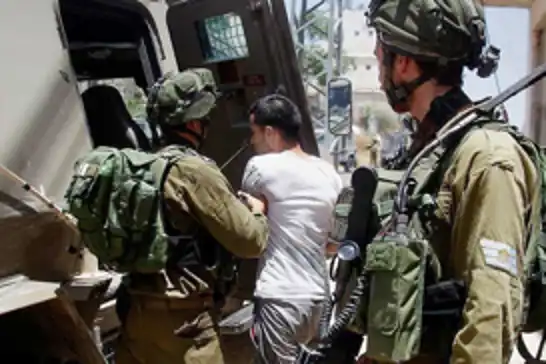
Israeli occupation forces (IOF) carried out a series of coordinated military raids across several cities, towns, and refugee camps in the occupied West Bank early Friday, arresting Palestinians, raiding homes, and firing tear gas near a major hospital amid a continuing escalation in the occupied territory.