Israel’s “Yellow Line” becomes death zone for returning Palestinians in Gaza
 13 oC
13 oC 
Güneşli

Palestinians attempting to return to their homes and farmlands in Gaza are being met with Israeli gunfire near a newly imposed “yellow line,” a militarized boundary that human rights groups say is deliberately designed to block the displaced from rebuilding their lives and reclaiming their land.
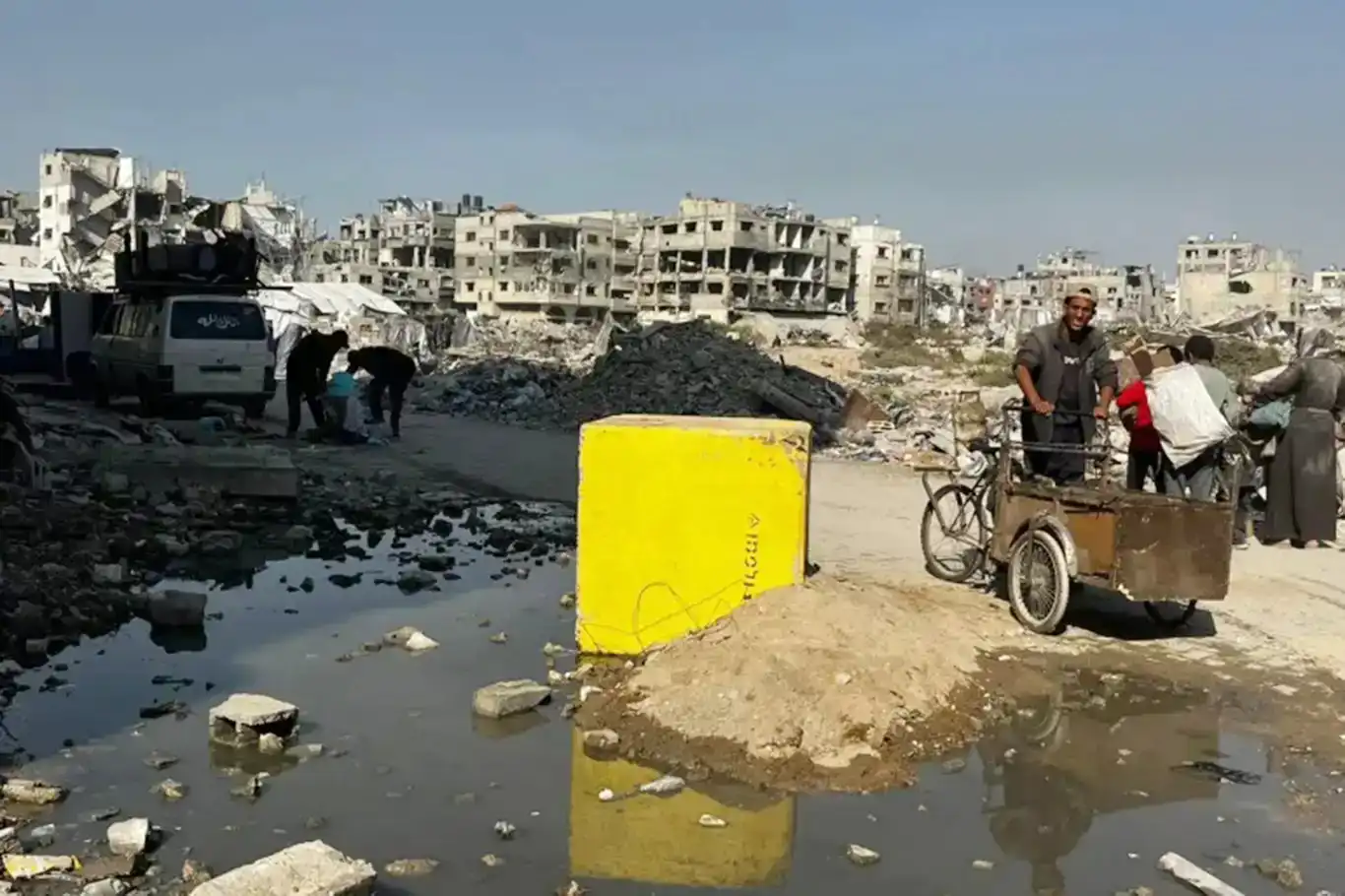
Under the first phase of the US-brokered ceasefire, the Israeli army began installing bright yellow concrete markers across large areas of Gaza, claiming they mark the limits of Israeli military withdrawal. However, Palestinians and international rights organizations report that the boundary is vague, unmarked in many areas, and enforced through live fire, effectively creating a deadly “no-return zone” for civilians.
Local sources report that in recent weeks, dozens of unarmed Palestinians who approached areas east of Gaza City, Beit Lahiya, Beit Hanoun and Khan Younis in hopes of reaching their homes or agricultural lands were shot at by Israeli forces. Several civilians have reportedly been killed or wounded simply for believing the areas were safe under the ceasefire terms.
The Israeli human rights organization Gisha, which monitors freedom of movement, said the so-called boundary is “indistinct” and has dramatically increased the risk of live-fire incidents. The group stressed that international law obligates Israel to protect civilians at all times, regardless of self-declared buffer zones or ambiguous military warnings.
Images released by the Israeli army show heavy machinery placing yellow concrete blocks topped with flagpoles, presenting the measure as orderly and transparent. However, satellite imagery and field observers indicate that many of these markers were installed hundreds of meters inside Gaza, even beyond Israel’s own published maps. Rights groups say this has effectively created a deeper, illegal buffer zone inside Palestinian territory.
For hundreds of thousands of displaced Palestinians, the “yellow line” has become another mechanism of forced immobility.
Akram Abu Khoussa, a farmer from northern Gaza now living in a displacement camp in Nuseirat, said his family’s future has been cut off by the militarized boundary.
“We studied the maps and understood that we are not allowed to return,” he said. “This line means our homes are trapped behind a zone where anyone can be shot. We cannot farm, cannot rebuild, cannot live. We are stuck.”
Humanitarian organizations warn that vital civilian infrastructure lies beyond the imposed line, including water pipelines, sanitation systems, UN-run warehouses and large portions of Gaza’s agricultural land. Before the war, nearly 40 percent of Gaza’s farming areas were located in these zones, worsening an already catastrophic food-security situation.
Despite being described as “temporary,” no clear timeline has been announced for further Israeli withdrawals. Israeli forces continue to occupy towns and neighborhoods across Gaza, leaving large segments of the population unable to return, rebuild, or access essential services.
Human rights groups say Israeli threats that any approach to the line will be met with gunfire do not remove Israel’s legal responsibilities under international law. They argue that continued shootings near the boundary demonstrate that the yellow line functions not as a ceasefire mechanism, but as a lethal tool of territorial control.
As Gaza struggles to rise from devastation, the newly imposed boundary has become a powerful symbol of fragmentation and dispossession — a line drawn not for safety, but to keep Palestinians away from their homes, their land, and their right to live with dignity. (ILKHA)
LEGAL WARNING: All rights of the published news, photos and videos are reserved by İlke Haber Ajansı Basın Yayın San. Trade A.Ş. Under no circumstances can all or part of the news, photos and videos be used without a written contract or subscription.
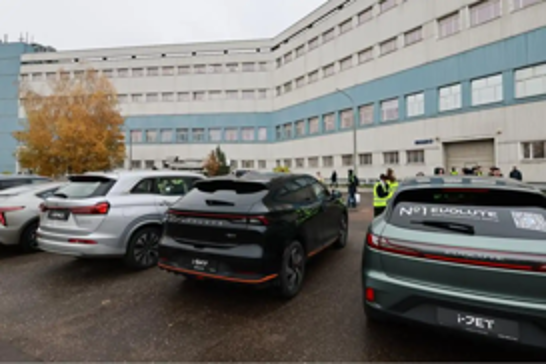
Sales of new electric vehicles (EVs) in Russia surged 57 percent year-on-year in November, marking the second consecutive month of growth, according to data released Monday by the automotive analytics agency Autostat.
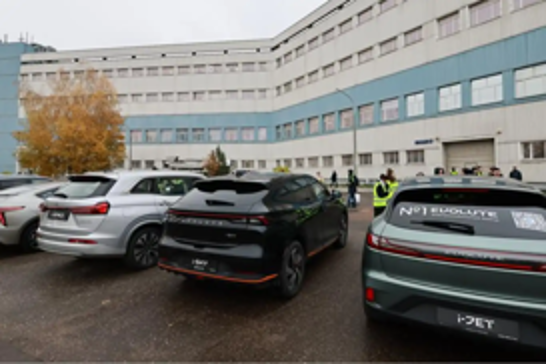
Sales of new electric vehicles (EVs) in Russia surged 57 percent year-on-year in November, marking the second consecutive month of growth, according to data released Monday by the automotive analytics agency Autostat.

Four people affiliated with France’s National School of Civil Aviation (ENAC), including one instructor and three students, were killed after a light aircraft crashed in the Pyrenees mountains, French authorities confirmed on Monday.
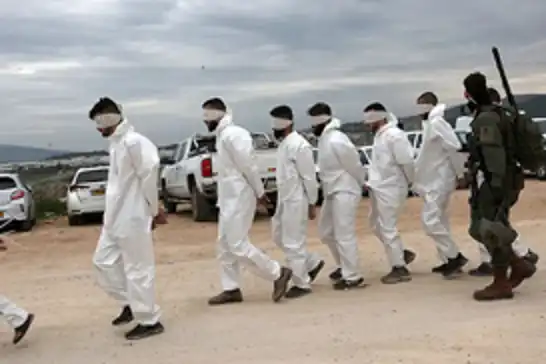
At least 110 Palestinian detainees have died in Israeli prisons since far-right minister Itamar Ben-Gvir assumed control of the prison system, marking an unprecedented spike in custodial deaths and triggering renewed global alarm over systematic torture, starvation, and the collapse of legal oversight behind prison walls.