Kazakhstan transforms Baikonur cosmodrome into global space tourism hub
 13 oC
13 oC 
Güneşli

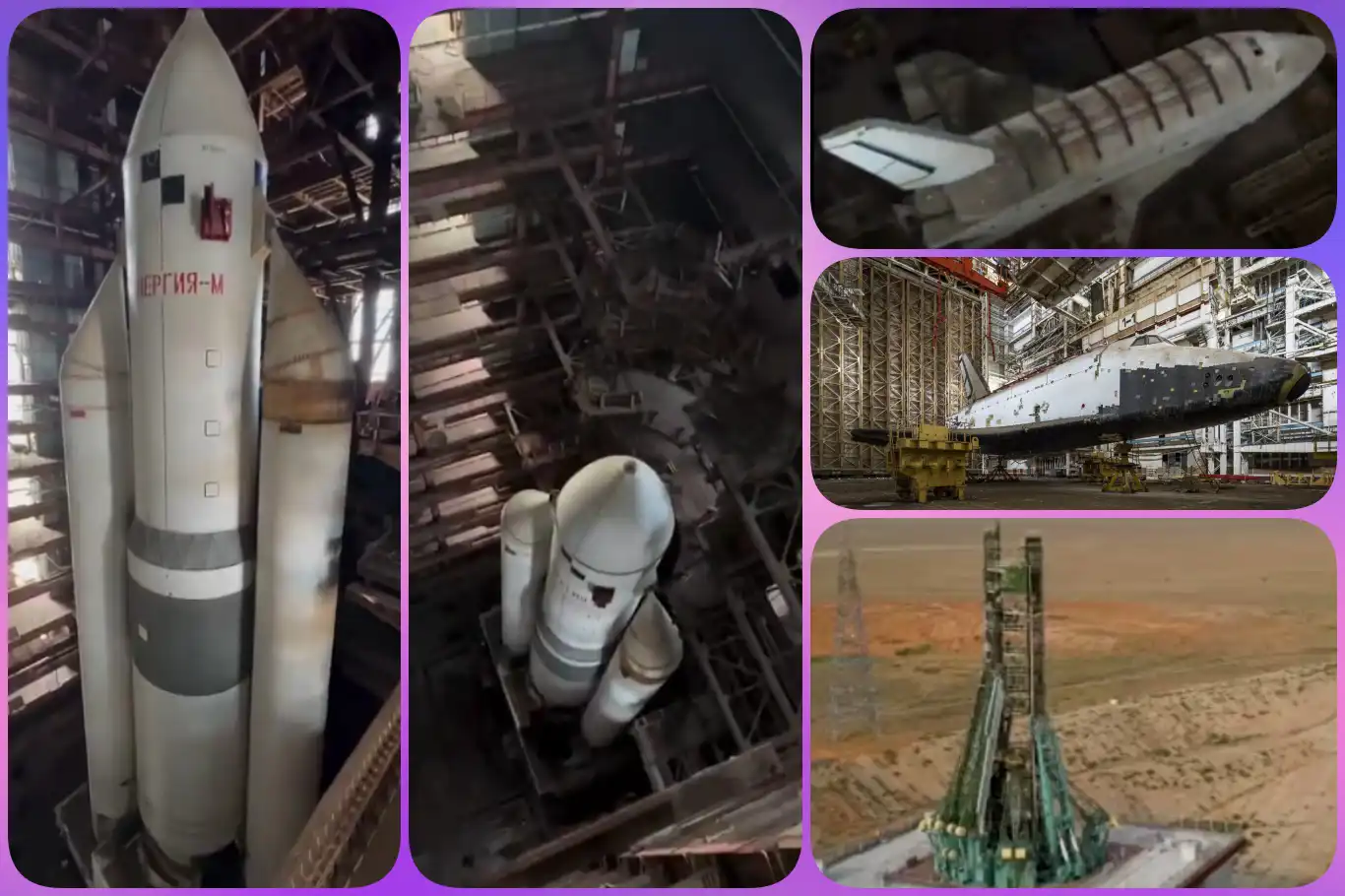
The world’s first cosmodrome, Baikonur, is entering a new era as Kazakhstan reimagines the historic spaceport as a vibrant international tourism hub.
The government aims to attract 50,000 visitors annually by 2029, combining the site’s rich space legacy with modern attractions such as glamping, immersive experiences, and a children’s space camp.
Baikonur is famed as the launch site of Yuri Gagarin’s historic 1961 flight, the first human journey into space, and the 1957 Sputnik satellite launch. While Russia continues to lease the cosmodrome under a $115 million annual agreement through 2050, Kazakhstan has regained control over more than 50 decommissioned facilities, repurposing them for tourism under the oversight of the Ministry of Digital Development, Innovation, and Aerospace Industry.
The centerpiece of the project is the iconic Gagarin Launchpad (Site 1), where visitors will soon experience augmented reality tours, museum exhibits on Soviet and Kazakh space achievements, and interactive educational programs. A 200-room eco-friendly hotel and luxury glamping pods inspired by nomadic yurts, complete with stargazing terraces, are planned. The “CosmoKids” summer camp, launching in 2026, will offer hands-on STEM activities including model rocket building and virtual mission simulations.
Kazakhstan has invested $150 million in the Baikonur Tourism Project, supporting the construction of a visitor center and upgrading transportation links, including a high-speed rail connection from Almaty that will reduce travel time to under four hours. A partnership with U.S.-based space tourism company Space Adventures will provide premium packages, including behind-the-scenes access to active launch preparations and cosmonaut-led workshops.
Despite environmental concerns due to historic rocket fuel contamination and the need to coordinate with ongoing Russian operations, officials remain confident in the project’s potential. Baikonur welcomed 12,000 tourists in 2024, marking a 20% increase from the previous year. Minister of Tourism and Sports, Yerbol Myrzabosynov, said, “Baikonur is not just a launch site; it’s a symbol of human ambition. We’re creating a destination where visitors can touch the stars while celebrating our steppe heritage.”
By 2029, Kazakhstan plans to position Baikonur as a global space tourism destination, rivaling the likes of Florida’s Kennedy Space Center. Annual events such as “CosmoFest,” featuring space-themed music and art, alongside potential zero-gravity flight experiences, aim to blend the cosmodrome’s cosmic legacy with modern tourism innovation.
Baikonur’s transformation highlights Kazakhstan’s ambition to boost tourism, enhance cultural heritage, and offer a unique international attraction, blending the country’s nomadic traditions with humanity’s fascination with space. (ILKHA)
LEGAL WARNING: All rights of the published news, photos and videos are reserved by İlke Haber Ajansı Basın Yayın San. Trade A.Ş. Under no circumstances can all or part of the news, photos and videos be used without a written contract or subscription.
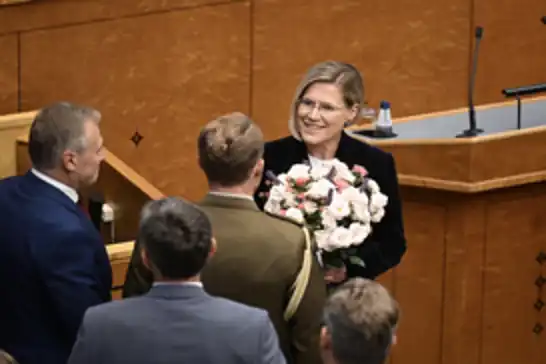
Estonia’s parliament elected Chancellor of Justice Ülle Madise as the country’s next president on Wednesday, securing the required majority in the first round of voting.
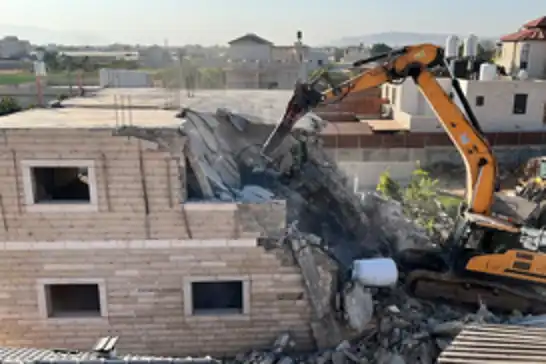
Israeli occupation authorities demolished a three-story residential building belonging to the Bedran family in the al-Bustan neighborhood of Silwan, south of Al-Aqsa Mosque in occupied East Jerusalem.
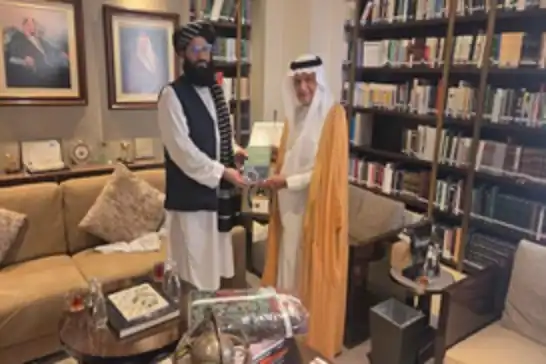
Afghanistan’s Chargé d’Affaires in Riyadh, Sheikh Abdul Fatah Rahimi, held talks with Prince Turki Al-Faisal Al-Saud, Chairman of the Board of Directors of the King Faisal Center for Research and Islamic Studies and former head of Saudi intelligence, focusing on bilateral relations and opportunities to expand cooperation.
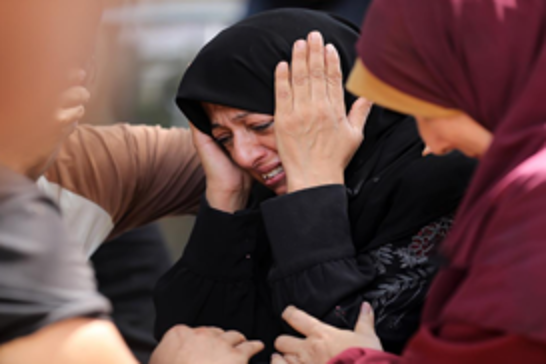
Israeli forces killed a Palestinian youth in a drone strike on Wednesday targeting the al-Hawja area of Jabalia refugee camp in northern Gaza, while a displaced Palestinian woman succumbed to critical injuries sustained after being shot by Israeli forces in central Gaza.