Knesset approves Trump’s “20-point plan” to end Gaza war
 13 oC
13 oC 
Güneşli

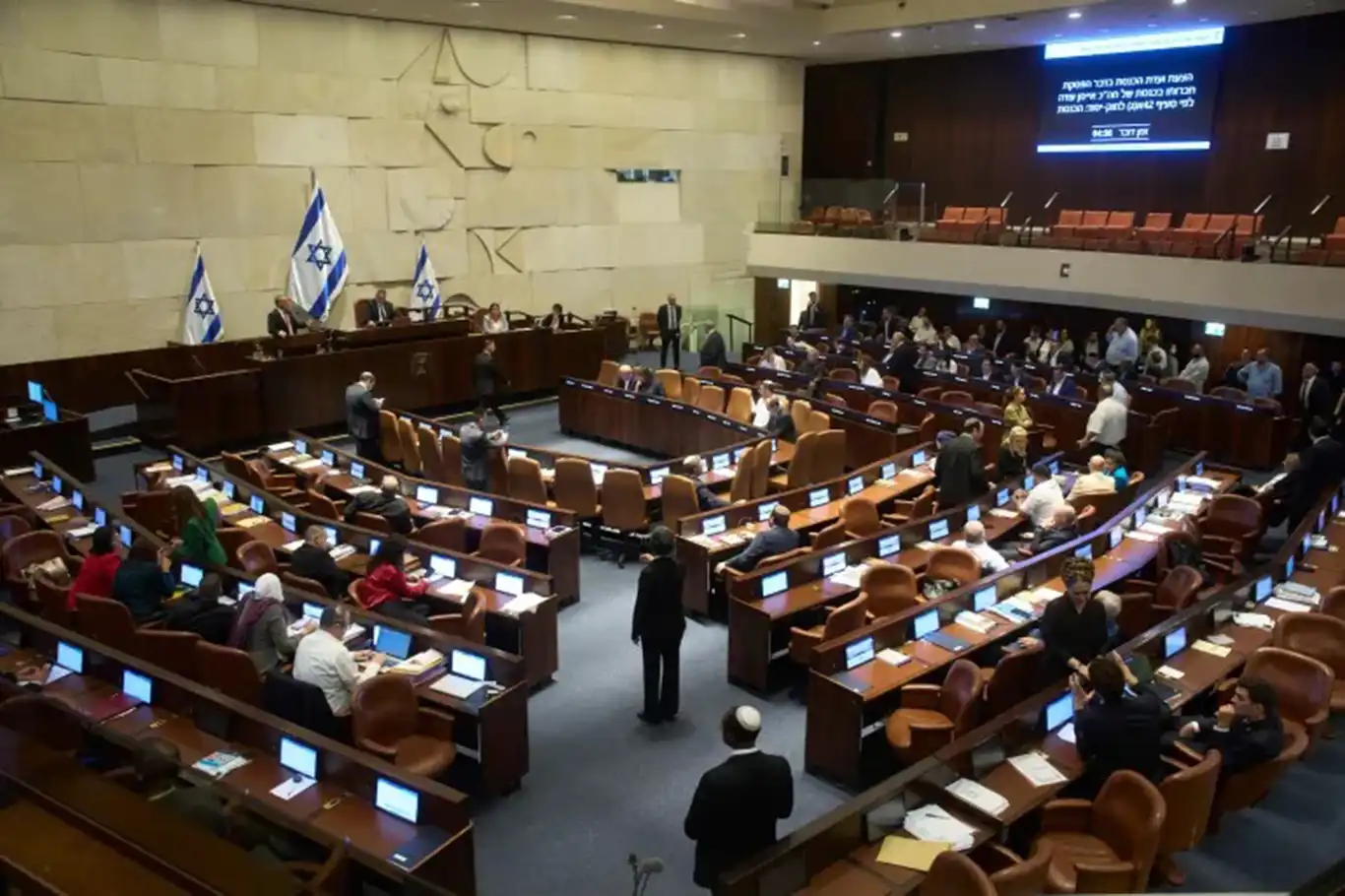
The Israeli Knesset on Wednesday approved a resolution endorsing U.S. President Donald Trump’s so-called “20-point plan” to end the devastating war on Gaza—despite the absence of coalition lawmakers, including Prime Minister Benjamin Netanyahu, and without any meaningful public debate.
The move, pushed through solely by opposition members, immediately drew criticism from Palestinian observers who view the plan as another attempt to impose external solutions without addressing the root causes of Israel’s occupation and ongoing genocide in Gaza.
The resolution, introduced by opposition leader Yair Lapid, passed without opposition and was swiftly sent to the Knesset’s Foreign Affairs and Defense Committee for further discussion. Lapid hailed the move, claiming the plan would end the war, return Israeli captives, and restore “normal life.” He also acknowledged that the plan had never been formally reviewed or approved by any official Israeli decision-making body—not the cabinet, the government, nor parliamentary committees—highlighting the political vacuum surrounding Israel’s war policy.
Israeli political sources have noted that Netanyahu's conspicuous absence from the discussions reflects deep divisions within the country's leadership. As reported by Maariv, the prime minister faces a critical dilemma: endorsing Trump's plan risks provoking his extremist far-right allies, who oppose key provisions such as the release of Palestinian prisoners, the deployment of an international force to Gaza, and any reference to a future Palestinian state. Yet rejecting the proposal could alienate Trump, a political ally Netanyahu has long depended upon for support.
The far-right factions—key pillars of Netanyahu’s fragile coalition—have already condemned any framework that even hints at Palestinian sovereignty or limits Israel’s military and settlement agenda.
Palestinian analysts criticized the Knesset’s maneuver as yet another attempt to legitimize an American-Israeli agenda that ignores the suffering and demands of the Palestinian people. The plan reportedly prioritizes Israeli security conditions, continued control over Gaza, and the restructuring of the enclave under international supervision—without addressing the central issues of occupation, displacement, or the right to self-determination.
For Palestinians, the move further exposes Israel’s unwillingness to engage in a genuine political solution rooted in justice. It also reinforces concerns that Israeli factions are using Gaza as a political battleground while Palestinians endure unprecedented destruction, famine, and displacement.
As Gaza reels under the ruins of a genocidal war that has killed tens of thousands and left millions displaced, Israel’s internal political posturing has done nothing to halt the suffering. By approving Trump’s plan in a symbolic vote absent of the ruling coalition, the Knesset has sent the message that even decisions about ending the war are being instrumentalized for political leverage rather than humanitarian urgency.
Lapid has framed the plan as Israel’s “only viable path,” but Palestinians stress that any path forward must involve ending the siege, stopping the occupation, and recognizing Palestinian rights—none of which are addressed in Trump’s proposals. (ILKHA)
LEGAL WARNING: All rights of the published news, photos and videos are reserved by İlke Haber Ajansı Basın Yayın San. Trade A.Ş. Under no circumstances can all or part of the news, photos and videos be used without a written contract or subscription.
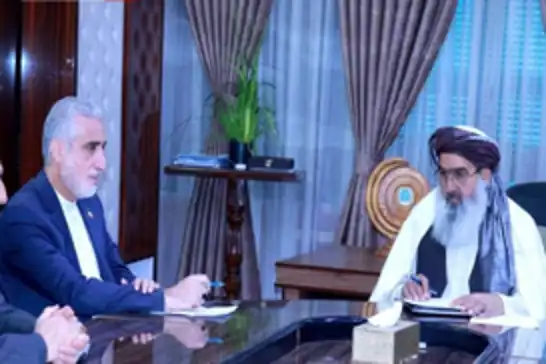
Afghanistan’s Minister of Public Health, Mawlavi Noor Jalal Jalali, met with Iran’s Deputy Minister of Health Mehdi Pirsalehi and Iranian Ambassador Alireza Bigdeli to discuss expanding bilateral cooperation in the health sector.
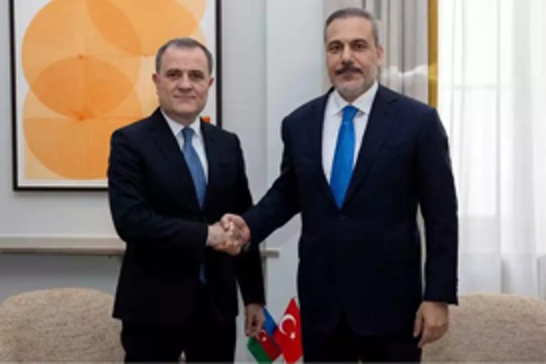
Turkish Minister of Foreign Affairs Hakan Fidan held a meeting with Azerbaijan’s Foreign Minister Jeyhun Bayramov on Wednesday during his visit to Vienna.

Israeli forces launched a series of deadly airstrikes and ground attacks across the Gaza Strip on Wednesday, killing several Palestinians, including children, in the southern city of Khan Younis.

Moscow says the global platform exposes children to harmful content, extremist influence, and morally corrupt behaviour.