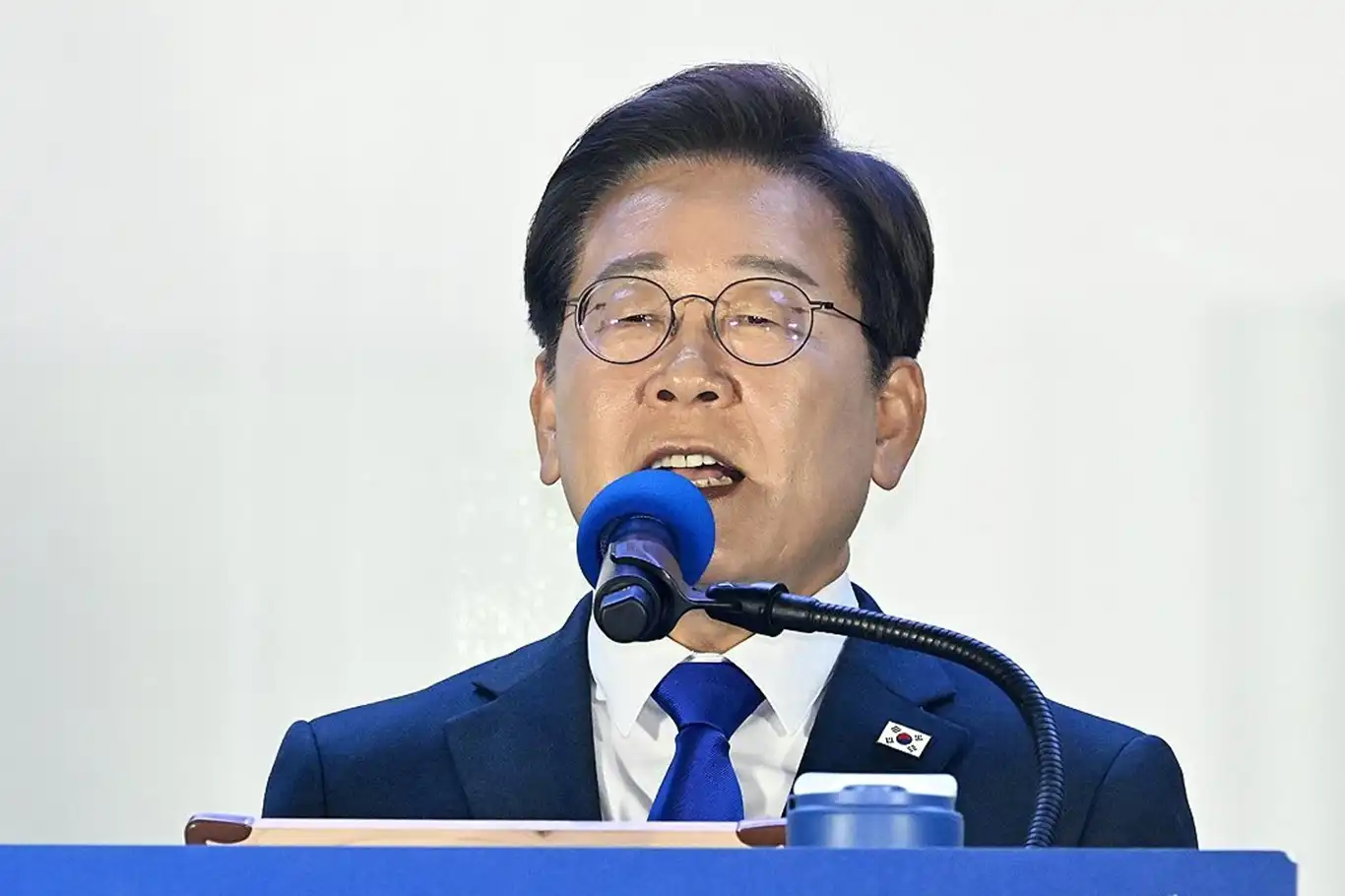
Lee Jae-myung elected President of South Korea in landmark snap election
 13 oC
13 oC 
Güneşli

Liberal candidate Lee Jae-myung has been elected as South Korea’s new president, defeating conservative rival Kim Moon-soo.
The election was called following the impeachment of former President Yoon Suk Yeol, a move that came amidst South Korea’s most severe political crisis in decades.
According to the National Election Commission, Lee secured 49.42% of the nearly 35 million votes cast, while Kim garnered 41.15%. The turnout reached an impressive 77.8%, the highest since 1997, underscoring the public’s engagement during this tumultuous period.
Lee, a 61-year-old former human rights lawyer, addressed supporters outside his home, expressing gratitude and a commitment to unity. “I will do my utmost to fulfil the great responsibility and mission entrusted to me,” he stated, pledging to address public expectations and heal national divisions.
The snap election was prompted by Yoon Suk Yeol’s controversial declaration of martial law in December, an act that ignited widespread outrage and led to his impeachment. Lee, who spearheaded the opposition’s move to remove Yoon, capitalized on the public’s discontent, campaigning on promises to revitalize the economy, reduce inequality, and bridge South Korea’s stark political divide.
His opponent, Kim Moon-soo, a former labor minister, struggled to attract moderate voters amid internal strife within the conservative People Power Party and lingering controversy over Yoon’s leadership. Kim had warned voters during his campaign that Lee might abuse power and leverage his party’s parliamentary majority to shield himself from legal challenges.
Lee’s presidency begins on Wednesday, marking a significant shift toward liberal leadership. However, his administration faces scrutiny and challenges from the outset. Lee is under investigation in two criminal cases involving allegations of bribery and a property development scandal, which he has dismissed as politically motivated. Court hearings have been postponed until after the election.
In his five-year term, Lee will confront numerous challenges, including a slowing economy, mounting income inequality, and external pressures such as North Korea’s nuclear ambitions and uncertainty over U.S. trade and security commitments under President Donald Trump. Lee has pledged a pragmatic foreign policy, seeking to balance alliances with the U.S. and Japan while exploring renewed engagement with North Korea.
Despite the hurdles ahead, Lee’s supporters celebrate his victory as a testament to South Korea’s democratic resilience. As he takes office without the usual two-month transition period, the nation watches closely to see if he can deliver on his promises and navigate the complexities of a deeply polarized country. (ILKHA)
LEGAL WARNING: All rights of the published news, photos and videos are reserved by İlke Haber Ajansı Basın Yayın San. Trade A.Ş. Under no circumstances can all or part of the news, photos and videos be used without a written contract or subscription.
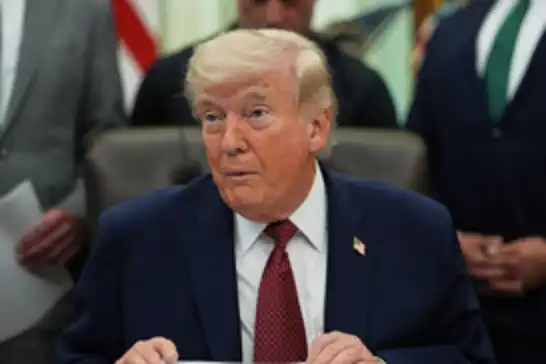
US President Donald Trump claimed on Saturday that a long-awaited agreement between Washington and Tehran was set to be signed "tomorrow," asserting that the deal would immediately reopen the strategically vital Strait of Hormuz to international traffic.
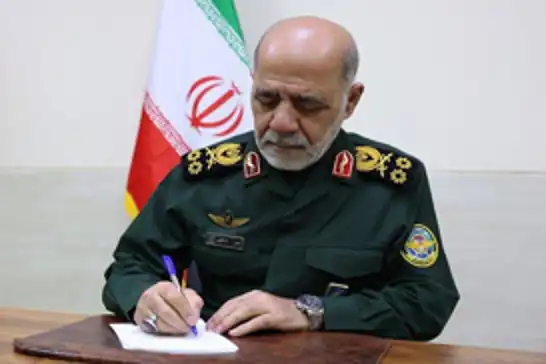
The commander of Iran’s Khatam al-Anbia Central Headquarters has declared that the world will soon witness Iran’s triumph and the victory of the “resistance” over its adversaries, in a message marking the first anniversary of the assassination of his predecessor.
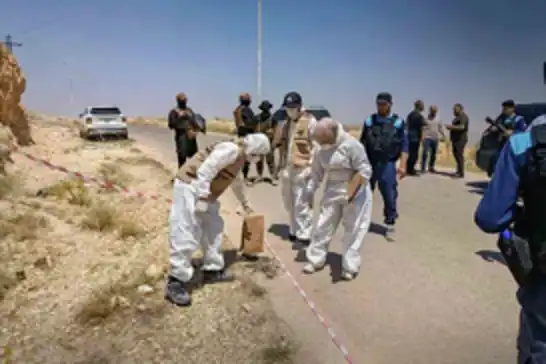
Syrian authorities announced Friday that they have begun an investigation into a newly discovered mass grave in the town of Sednaya, believed to contain the remains of opposition fighters killed during the 2014 western Qalamoun battles against militias loyal to the now-deposed regime.
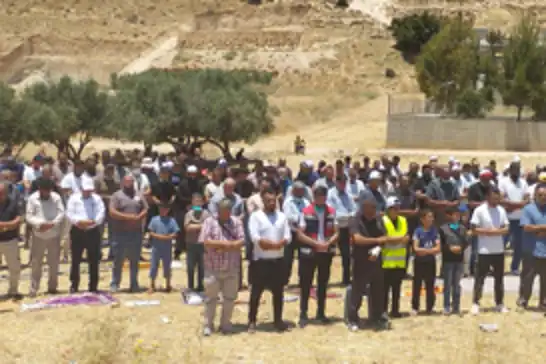
Hundreds of Palestinians gathered on Friday to perform congregational prayers on lands threatened with confiscation by Israeli occupation authorities near the towns of Dura and Idhna, west of Hebron in the occupied West Bank.