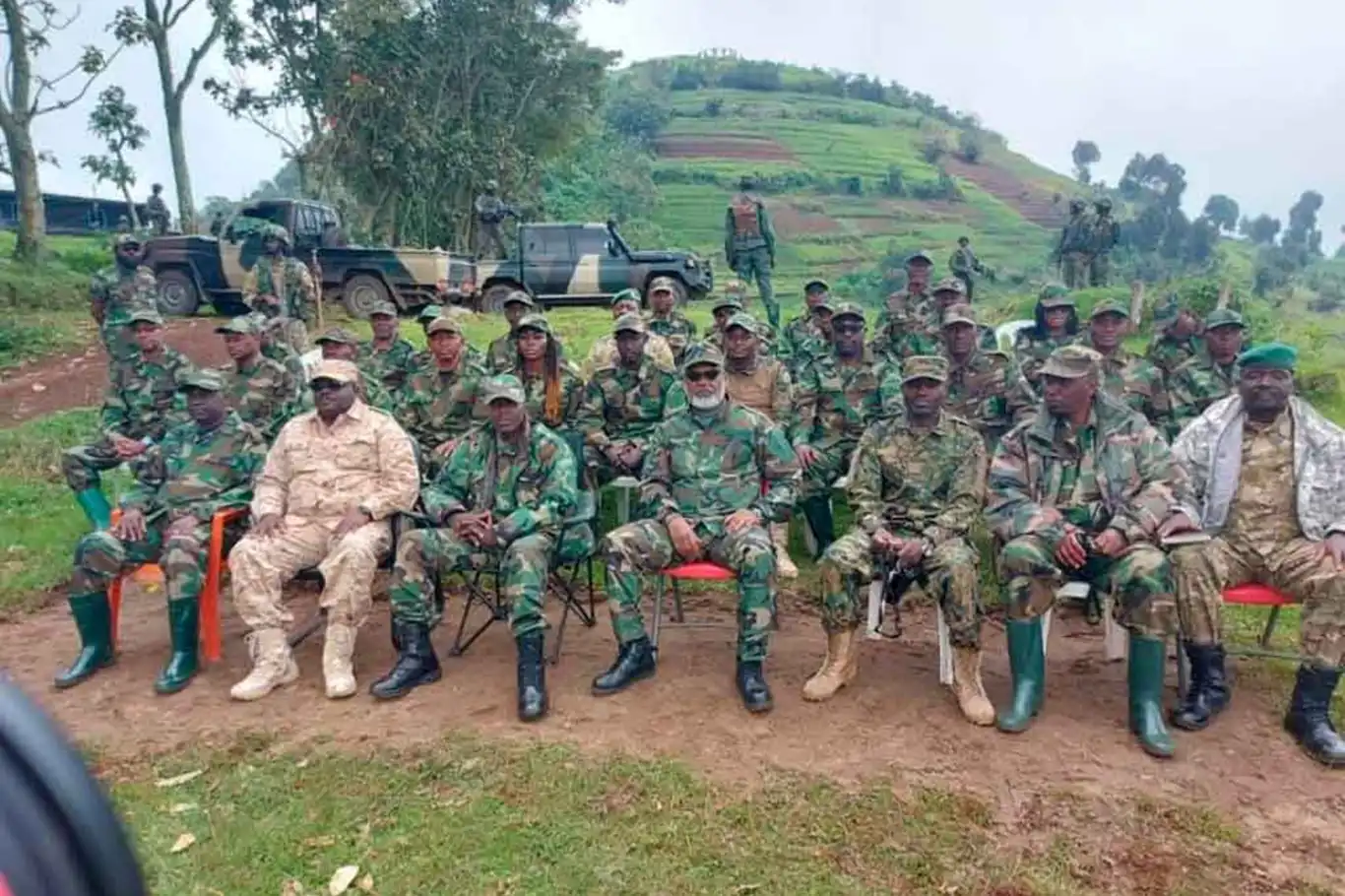
M23 says it will withdraw from DRC city of Uvira following international mediation
 13 oC
13 oC 
Güneşli

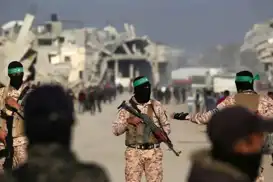
The M23 armed group has announced that it will unilaterally withdraw its forces from the eastern Congolese city of Uvira, following mounting international pressure and renewed diplomatic efforts to stabilize relations between the Democratic Republic of the Congo (DRC) and Rwanda.
In a statement signed by M23 coordinator Corneil Nangaa, the group said it would pull out of Uvira “as requested by the US mediators,” describing the move as a confidence-building measure aimed at giving peace efforts a chance to succeed. The announcement comes just days after the militia captured most of the city, a development that Burundi described as a provocative gesture toward Washington following the signing of a peace agreement in the US capital.
The M23 said its withdrawal was contingent on the implementation of measures to ensure the proper management of Uvira, including the demilitarization of the city, protection of civilians and infrastructure, and monitoring of the ceasefire by a neutral force. The group also called for the implementation of a broader ceasefire agreement reached in Doha in November, which was negotiated under a parallel peace process but has largely failed to take hold on the ground.
The armed group said it was withdrawing its forces in order “to instil trust and give the Doha peace process every chance to succeed.”
The capture of Uvira, a strategic city in South Kivu province, sparked sharp reactions across the region. Burundi, which borders both the DRC and Rwanda, has warned that control of Uvira by Rwanda-backed forces represents an existential threat to its national security. The city lies directly across Lake Tanganyika from Burundi’s economic capital, Bujumbura, just 20 kilometers away.
The Burundian foreign minister said that more than 40,000 Congolese civilians have fled into Burundi within a week to escape the fighting. Meanwhile, the United Nations Office for the Coordination of Humanitarian Affairs (OCHA) estimates that over 200,000 people have been displaced within South Kivu province since December 2.
Following the seizure of Uvira, US Ambassador to the United Nations Mike Waltz told the Security Council that Rwanda was leading the region toward “greater instability and war.” The criticism was echoed by US Secretary of State Marco Rubio, who warned that Washington would respond to Kigali’s actions.
“Rwanda’s actions in eastern DRC are a clear violation of the Washington Accords signed by President Trump, and the United States will take action to ensure promises made to the President are kept,” Rubio said in a post on X.
The statements came as DRC and Rwandan officials held fresh talks in Washington, aimed at reviving a fragile peace deal and easing deep-rooted mistrust between the two neighbors.
According to European diplomatic sources, Congolese authorities fear that the M23 could push further south toward Katanga province, the country’s mining heartland rich in copper and cobalt, resources vital to the DRC’s economy and a key source of state revenue through mining taxes.
United Nations experts estimate that the M23 is supported by up to 7,000 Rwandan troops in eastern Congo and accuse Kigali of seeking to exploit the DRC’s mineral wealth. Rwanda has consistently denied providing military support to the group.
Kigali argues that its actions are driven by security concerns, citing the presence in eastern DRC of ethnic Hutu armed groups linked to the 1994 Rwandan genocide against the Tutsi population, which it describes as an ongoing existential threat.
Amid fears of a wider regional conflict in Africa’s Great Lakes region, Burundi has deployed around 18,000 troops to eastern DRC. Relations between Burundi and Rwanda remain strained, with Bujumbura warning that any further escalation near its borders could destabilize the entire region.
While the M23’s announced withdrawal from Uvira may ease immediate tensions, diplomats and analysts caution that the situation remains volatile, with lasting peace dependent on the implementation of ceasefire agreements and sustained international engagement. (ILKHA)
LEGAL WARNING: All rights of the published news, photos and videos are reserved by İlke Haber Ajansı Basın Yayın San. Trade A.Ş. Under no circumstances can all or part of the news, photos and videos be used without a written contract or subscription.
Turkish President Recep Tayyip Erdoğan has warned that recent military escalations in the Black Sea pose a serious threat to maritime security, urging both Russia and Ukraine to refrain from targeting commercial and civilian vessels, warning that such actions will benefit no one.
Turkish President Recep Tayyip Erdoğan has warned that recent military escalations in the Black Sea pose a serious threat to maritime security, urging both Russia and Ukraine to refrain from targeting commercial and civilian vessels, warning that such actions will benefit no one.
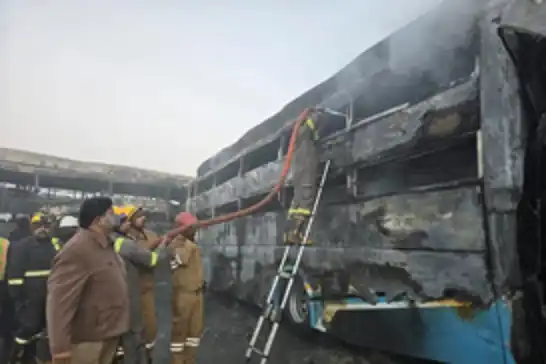
At least 15 people were killed and 48 others injured in a devastating chain-reaction traffic accident in northern India after multiple vehicles collided on a major highway in Uttar Pradesh, authorities said.
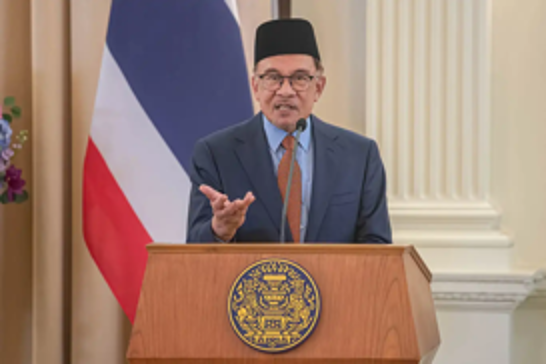
Malaysian Prime Minister Anwar Ibrahim announced a cabinet reshuffle on Tuesday, appointing new trade and economic ministers in a move aimed at stabilising his administration and filling vacancies created by recent resignations and the expiry of senate terms.