Maduro urges OPEC+ support as U.S. military activity threatens Venezuela’s oil sector
 13 oC
13 oC 
Güneşli

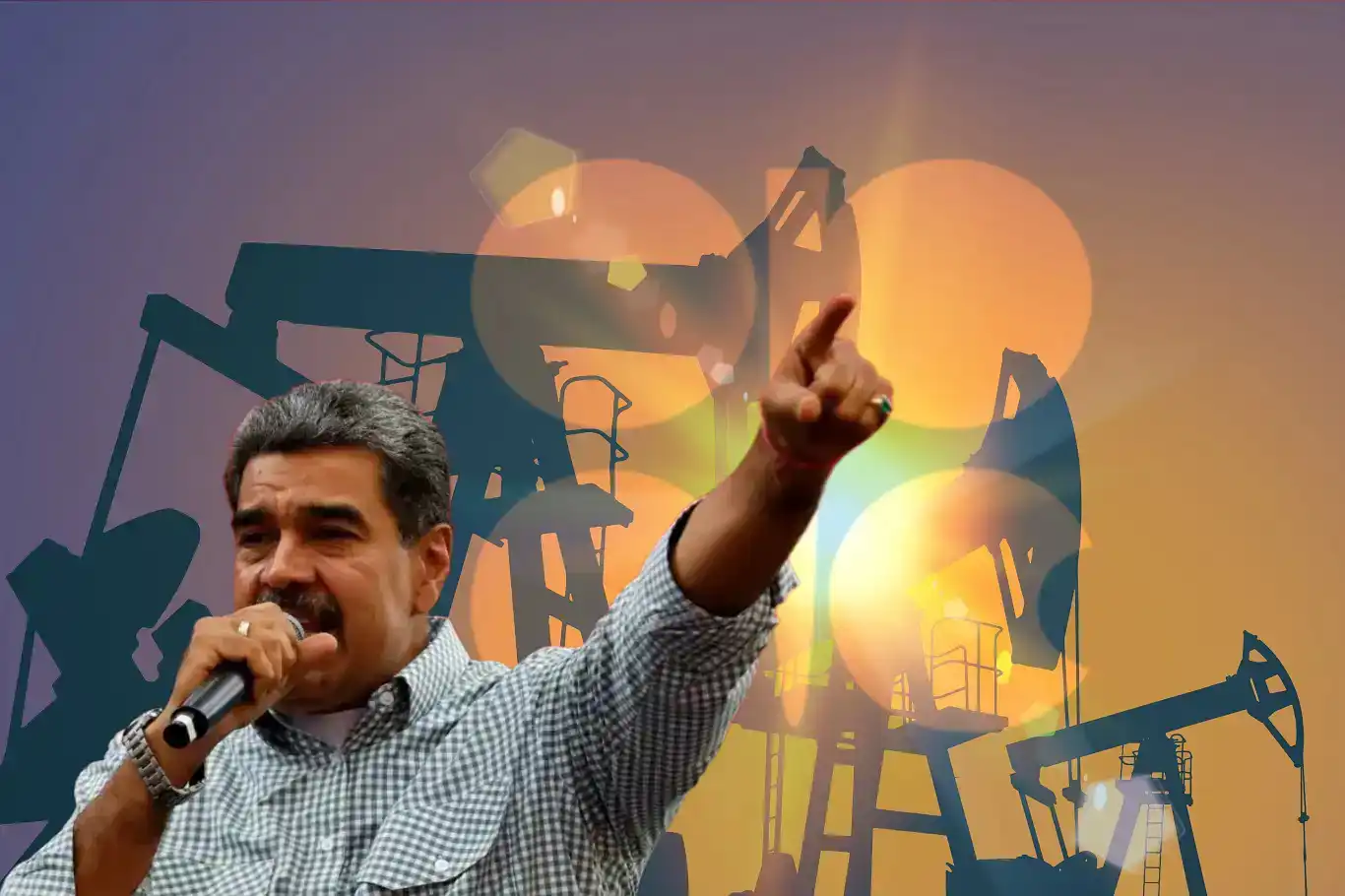
Venezuelan President Nicolás Maduro has appealed to OPEC+ member states for coordinated support amid escalating U.S. military operations in the Caribbean, warning that Washington’s actions pose a direct threat to Venezuela’s oil production and could destabilize global energy markets.
Maduro’s call came in a formal letter addressed to OPEC Secretary-General Haitham Al Ghais and shared publicly by Venezuelan Foreign Minister Yvan Gil. The letter cautioned that continued U.S. military presence and maneuvers near Venezuelan territory risk disrupting crude output, undermining regional security, and upsetting international supply balances.
According to Caracas, recent U.S.-imposed airspace restrictions have already caused significant disruption, forcing international airlines to cancel flights and leaving thousands of Venezuelan travelers stranded abroad. The Venezuelan government condemned the situation as a de facto blockade and announced emergency measures to repatriate affected citizens.
The rising tensions have prompted concern across Latin America. Colombian President Gustavo Petro and other regional leaders urged diplomatic efforts to prevent escalation, emphasizing the need for international mediation to avoid a wider crisis.
Energy analysts say Venezuela’s oil sector—already weakened by years of sanctions, infrastructure deficiencies, and economic pressures—is particularly vulnerable to additional external threats. Any further disruption, they warn, could increase volatility in global crude prices and affect key Caribbean trade routes.
Maduro argued that U.S. military activities constitute a violation of international law and directly undermine Venezuela’s sovereign right to protect and manage its energy resources. He urged OPEC+ countries to recognize the seriousness of the threat and coordinate actions to safeguard stability in the global oil market.
Experts note that the situation requires close monitoring, as any deterioration in U.S.–Venezuela relations could trigger a new wave of regional instability with potential global market implications. Latin American governments’ calls for mediation reflect a growing concern that the dispute could evolve into a broader diplomatic confrontation. (ILKHA)
LEGAL WARNING: All rights of the published news, photos and videos are reserved by İlke Haber Ajansı Basın Yayın San. Trade A.Ş. Under no circumstances can all or part of the news, photos and videos be used without a written contract or subscription.
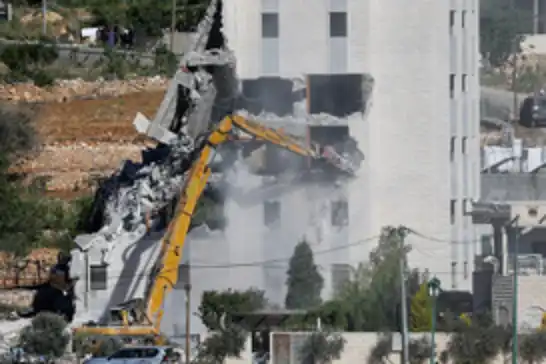
Israeli occupation forces carried out new large-scale raids across Jenin city and the Jenin refugee camp on Monday, extending what has now become 315 consecutive days of military assaults, forced displacement, and widespread destruction across the governorate.

Dozens of extremist Israeli settlers stormed the Al-Aqsa Mosque compound on Monday morning and again in the afternoon, entering under the heavy protection of occupation police who simultaneously restricted Palestinian access to the holy site.
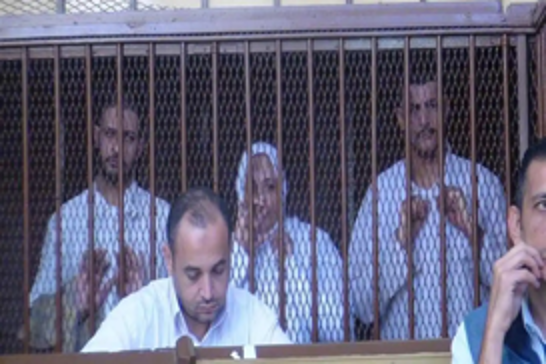
U.S. President Donald Trump last week signed an executive order initiating the process to label certain chapters of the Muslim Brotherhood as foreign terrorist organizations—an action critics say is politically motivated, legally questionable, and aimed at criminalizing a broad spectrum of Islamic political thought.