Moscow, Tehran plan to construct new nuclear power units in Iran
 13 oC
13 oC 
Güneşli

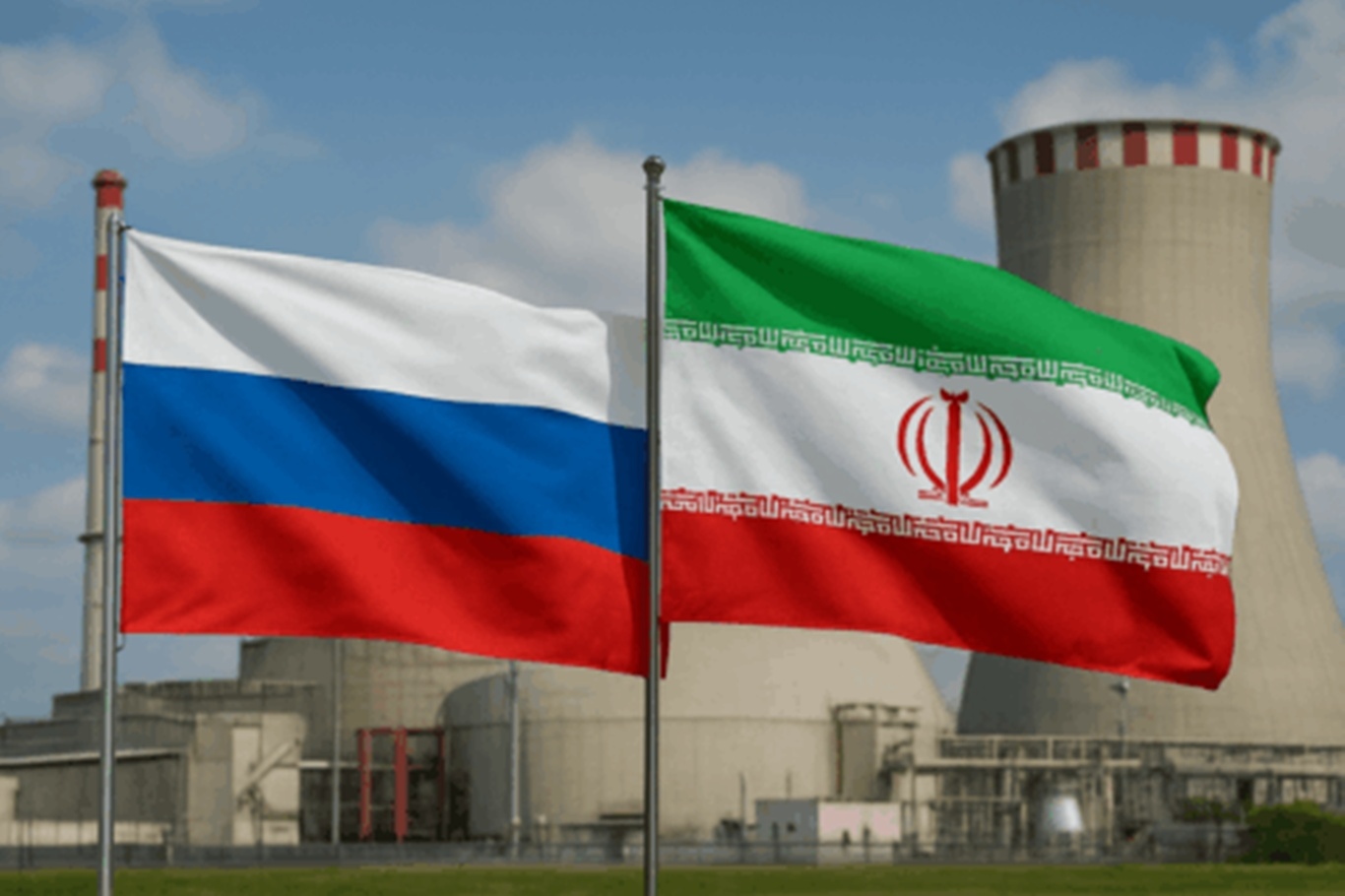
Russia and Iran are evaluating plans to construct additional nuclear power plant units in Iran, in a move signaling the continued deepening of strategic energy cooperation between the two countries despite Western pressure and sanctions.
Russian Energy Minister Sergei Tsivilev announced that Moscow and Tehran are seriously expanding collaboration in the field of peaceful nuclear energy. His remarks came following a two-day session of the Iran-Russia Joint Economic Cooperation Commission, according to Iran’s official news agency IRNA.
Tsivilev stated that construction of the second and third units at the Bushehr Nuclear Power Plant is currently underway, adding that both sides are now assessing the possibility of building further nuclear power units at additional sites. A joint working group has reportedly been formed to review technical and financial parameters, with a summary of discussions expected within three months.
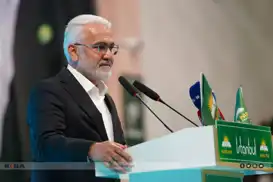
Iranian Oil Minister Mohsen Paknejad, speaking alongside his Russian counterpart, emphasized that Tehran and Moscow must utilize their capacities jointly to safeguard their national interests. He described bilateral cooperation in the energy sector — including oil and gas field development — as strategically significant.
Paknejad also expressed hope that a contract for Russian natural gas exports to Iran would soon be finalized, aiming to address domestic energy imbalances and reinforce long-term supply stability.
The latest developments build on a major agreement signed in September last year, under which Russia and Iran committed to constructing four third-generation nuclear power units in the Sirik region of Hormozgan province, a project reportedly valued at approximately $25 billion.
International media outlets, including Reuters, have reported on the expanding nuclear and energy cooperation between Moscow and Tehran, noting its geopolitical implications. The partnership comes at a time when both countries face Western sanctions and growing scrutiny over their broader strategic alignment.
While officials from both sides frame the cooperation as strictly peaceful and within the framework of civilian nuclear energy development, analysts observe that the timing underscores an emerging energy axis that challenges Western influence in regional energy and security architectures.
The continued expansion of Russia-Iran nuclear collaboration highlights a shifting global landscape in which sanctioned states are increasingly strengthening bilateral mechanisms to bypass external pressure and advance long-term strategic projects.(ILKHA)
LEGAL WARNING: All rights of the published news, photos and videos are reserved by İlke Haber Ajansı Basın Yayın San. Trade A.Ş. Under no circumstances can all or part of the news, photos and videos be used without a written contract or subscription.
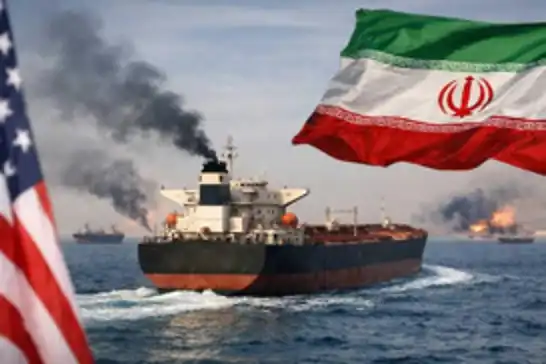
Iran’s Islamic Revolutionary Guard Corps (IRGC) Navy said seven vessels were hit by strikes or naval mines in the Persian Gulf and west of the Strait of Hormuz, as Tehran reaffirmed its determination to maintain control over the strategic waterway amid escalating confrontation with the United States.
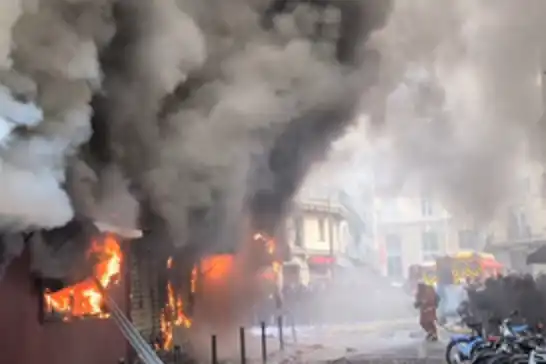
French police have banned demonstrations in key areas of Paris as authorities prepare for further protests following some of the worst street unrest in years.
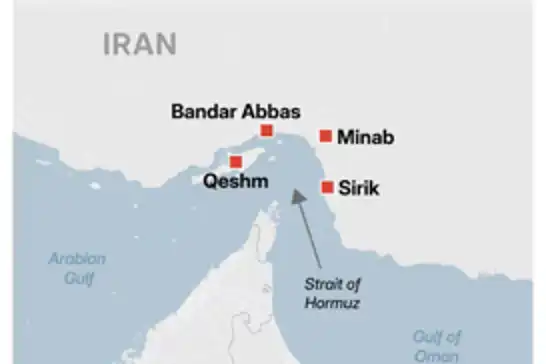
Several explosions were heard in the coastal area of Sirik in Iran’s southern Hormozgan province on Wednesday night, Iranian media reported, with the cause and nature of the blasts remaining unclear.
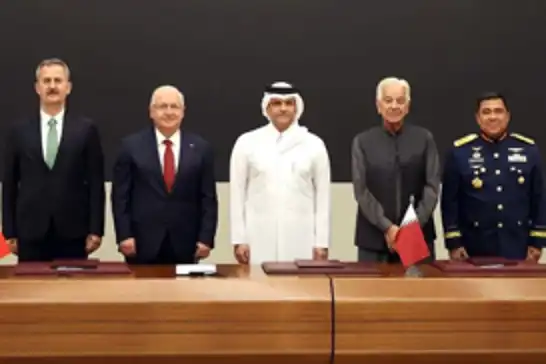
Türkiye, Qatar, Pakistan and Indonesia signed a multilateral defense cooperation agreement in Doha on Wednesday, establishing a framework for closer collaboration in defense production, military training, research and technology development.