NATO fortifies strategic Baltic outpost Gotland as tensions with Russia mount
 13 oC
13 oC 
Güneşli

NATO and Sweden are accelerating efforts to strengthen defenses on the Baltic island of Gotland, a strategically vital territory increasingly viewed as one of the alliance’s most important front lines against potential Russian military activity in Northern Europe.
Located in the center of the Baltic Sea, approximately 300 kilometers from Russia’s heavily militarized Kaliningrad exclave, Gotland has emerged as a key focus of NATO’s regional defense planning following Sweden’s accession to the alliance in 2024.
Military officials and defense planners see control of the island as critical to maintaining security across the Baltic region. Analysts argue that whoever controls Gotland gains a significant advantage over vital sea lanes, air routes, and reinforcement corridors connecting NATO members in Northern and Eastern Europe.
Major NATO Exercise Held on Island
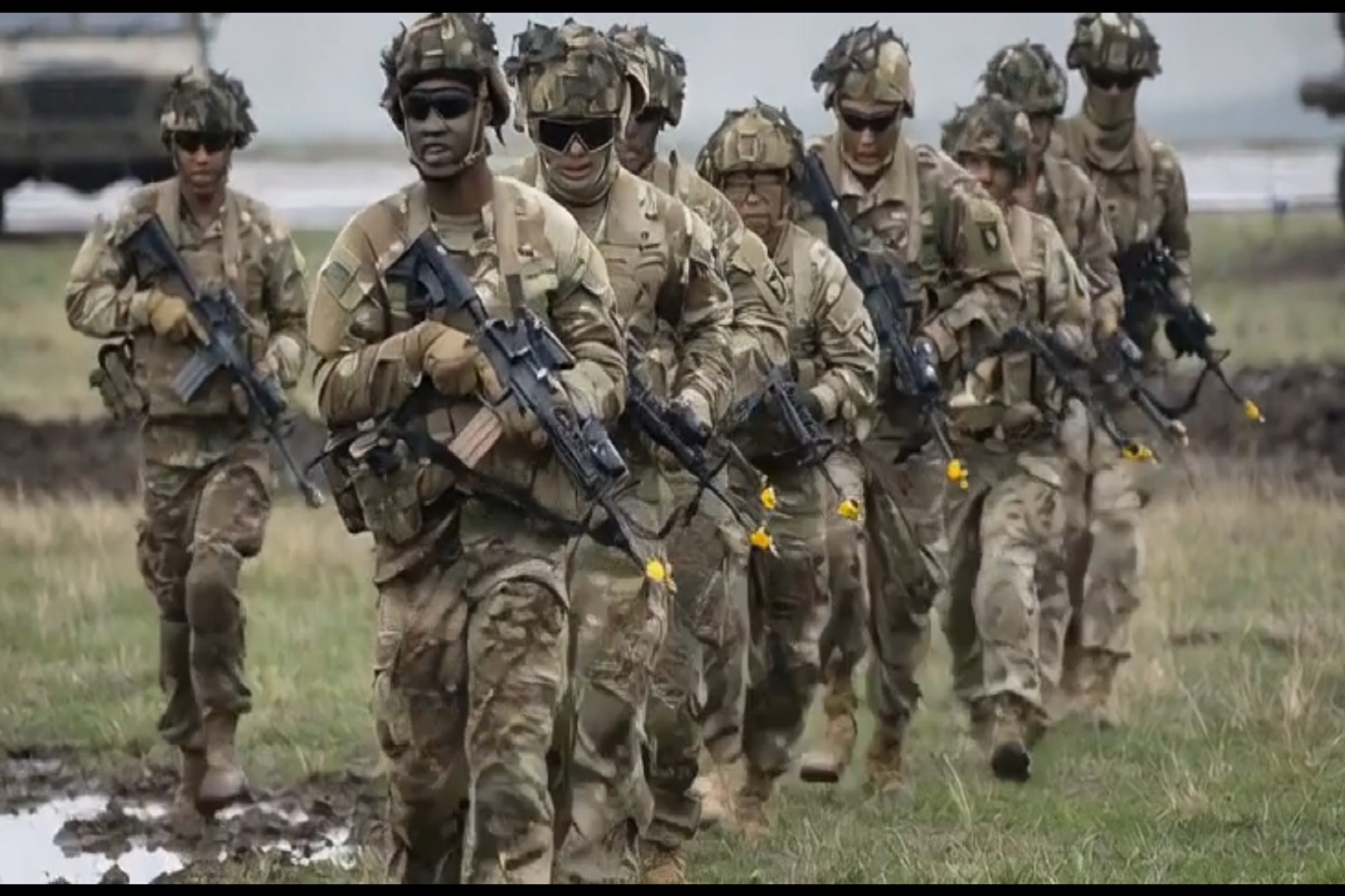
Last week, Sweden concluded its first major NATO-coordinated military exercise on Gotland since formally joining the alliance. The exercise, known as Aurora 26, involved more than 18,000 troops from 13 countries and tested NATO’s ability to rapidly reinforce and defend the island in the event of a crisis.
Troops conducted air defense operations, reconnaissance missions, urban combat drills, and joint command exercises across the island. NATO officials said the exercise was designed not only to improve interoperability among allied forces but also to strengthen Sweden’s integration into the alliance’s collective defense structure.
Swedish Chief of Defense Michael Claesson warned that Europe’s security environment remains highly unpredictable, pointing to the continuing war in Ukraine, increasing military activity in the Baltic region, and the growing threat of hybrid warfare tactics.
Lessons from Ukraine Reshape NATO Planning
One of the most closely watched aspects of the exercise involved Ukrainian drone operators who participated in training scenarios and shared battlefield experience gained during the war with Russia.
Military observers noted that drone warfare lessons from Ukraine are rapidly influencing NATO doctrine. During parts of the exercise, Ukrainian teams demonstrated the effectiveness of modern drone operations against armored formations, highlighting vulnerabilities that many European militaries are now working to address.
The exercise underscored how technological changes on the battlefield are forcing NATO members to rethink traditional military strategies and invest more heavily in counter-drone capabilities.
Gotland’s Strategic Importance Growing
Often described by defense analysts as an “unsinkable aircraft carrier,” Gotland occupies a central position in the Baltic Sea. Military aircraft operating from the island can rapidly reach key areas across the region, while missile systems stationed there could help secure NATO supply routes and reinforce Baltic allies such as Estonia, Latvia, Lithuania, and Finland.
Conversely, defense planners warn that if Russia were ever able to establish control over the island and deploy advanced air defense systems, it could complicate NATO reinforcement efforts and threaten freedom of movement across the Baltic Sea.
The island’s importance has increased significantly since Russia’s invasion of Ukraine in 2022. Sweden responded by rebuilding military capabilities on Gotland after decades of reduced military presence. The Swedish Armed Forces reactivated the Gotland Regiment in 2018 and have since expanded air-defense systems, coastal defenses, and troop deployments on the island.
Broader NATO Reinforcement Efforts
The strengthening of Gotland forms part of a wider NATO strategy aimed at reinforcing its eastern flank. The alliance has recently expanded command structures in the Baltic region and increased military coordination among Nordic and Baltic members.
At the same time, Sweden is investing heavily in its naval capabilities. Stockholm recently announced plans to purchase four advanced frigates from France in a deal worth more than $4 billion, one of the country’s largest military procurements in decades. Swedish officials say the new warships will significantly improve air-defense coverage and maritime security in the Baltic Sea.
Regional defense cooperation is also deepening. Sweden and Poland have expanded military coordination through joint exercises and defense-industrial partnerships focused on strengthening Baltic security and improving collective deterrence capabilities.
Concerns Over Hybrid Threats
Beyond the possibility of direct military confrontation, NATO officials remain concerned about hybrid threats in the Baltic region, including cyberattacks, sabotage, disinformation campaigns, and disruptions to critical infrastructure.
Recent incidents involving undersea cables, energy infrastructure, and maritime security have heightened concerns among regional governments, prompting increased surveillance and intelligence cooperation across the Baltic Sea.
As tensions between NATO and Russia continue, Gotland is increasingly viewed not only as a strategic military asset but also as a symbol of the alliance’s broader effort to strengthen deterrence and secure one of Europe’s most sensitive geopolitical regions. (ILKHA)
LEGAL WARNING: All rights of the published news, photos and videos are reserved by İlke Haber Ajansı Basın Yayın San. Trade A.Ş. Under no circumstances can all or part of the news, photos and videos be used without a written contract or subscription.

Jordan has dispatched a new humanitarian aid convoy consisting of 28 trucks to Lebanon as part of continuing efforts to support communities affected by the country’s prolonged humanitarian and economic crisis.

The Border Management Authority (BMA) has successfully processed and facilitated the departure of 933 Mozambican nationals through the Lebombo Port of Entry on Wednesday, in a well-coordinated cross-border operation.

The Sudanese army announced that it had repelled an attack by the Rapid Support Forces (RSF) targeting the strategically important al-Berke area in Blue Nile State, as fighting intensifies in southeastern Sudan.

Israeli authorities have pushed forward with plans for a massive waste treatment and energy conversion plant on stolen Palestinian land in Qalandiya village, northwest of occupied Jerusalem, prompting strong condemnation from Palestinian officials who warn it is part of a systematic effort to ethnically cleanse and Judaize the area.