North Korea's Kim Jong Un oversees test launch of long-range cruise missiles
 13 oC
13 oC 
Güneşli

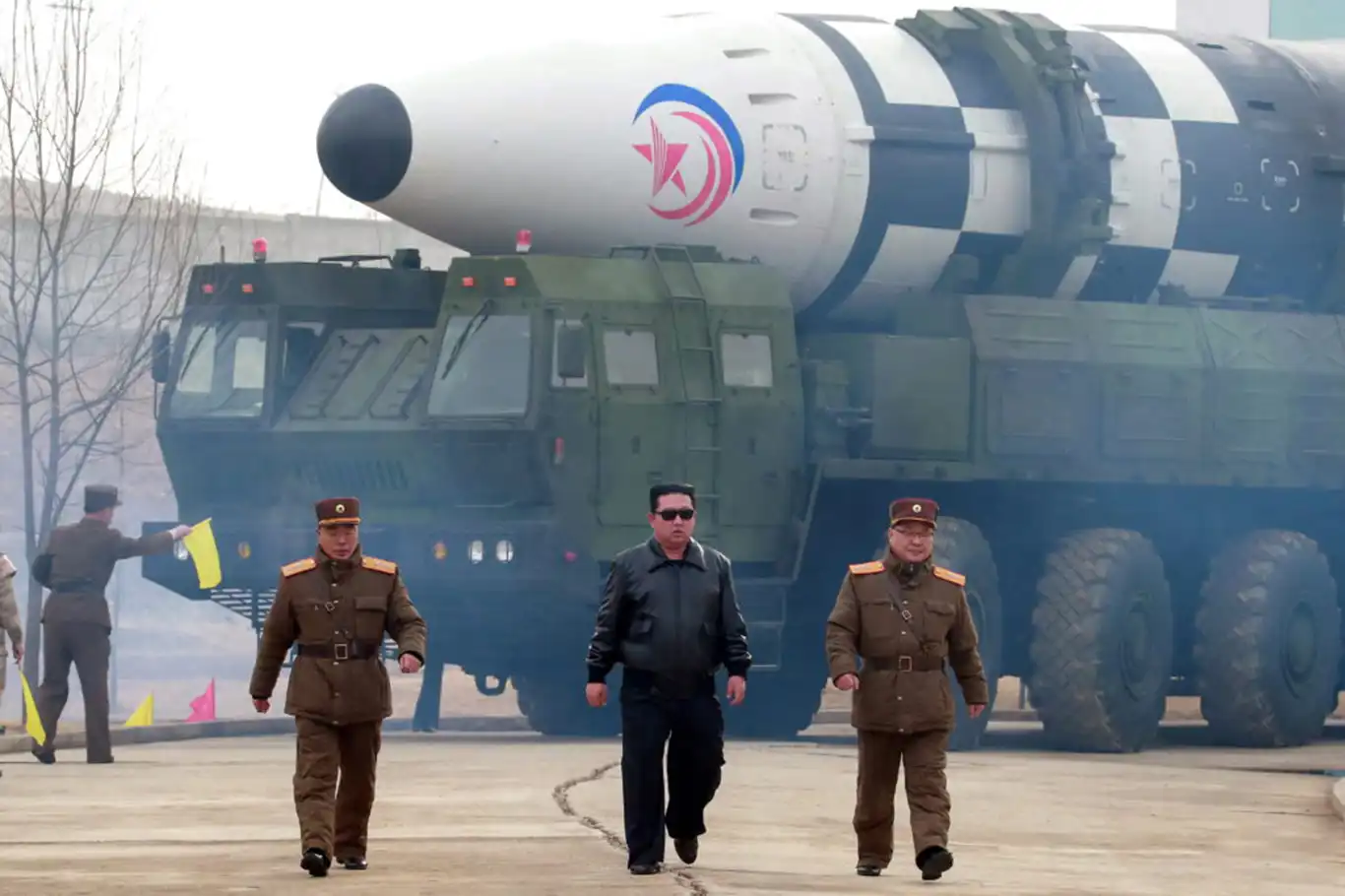
Democratic People’s Republic of Korea (DPRK) leader Kim Jong Un oversaw the launch of long-range strategic cruise missiles on Sunday, an event state media described as a successful test confirming the reliability of the country’s nuclear deterrent and its readiness for counter-attack.
According to the Korean Central News Agency (KCNA), the missile launch reaffirmed the credibility of the DPRK’s nuclear force amid what Pyongyang views as persistent security threats. The test forms part of a series of high-profile military and economic activities personally attended by Kim, as the country moves toward the Ninth Congress of the Workers’ Party of Korea, scheduled for early 2026.
KCNA reported that Kim expressed “great satisfaction” as the cruise missiles followed their designated flight paths over the sea west of the Korean Peninsula and struck their intended targets with precision. The launch was conducted to regularly verify the reliability and rapid-response capability of the DPRK’s nuclear deterrent, which Kim described as a “responsible exercise” aimed at safeguarding national sovereignty.
Reiterating Pyongyang’s strategic priorities, Kim stated that the DPRK would continue to devote all efforts to the “unlimited” strengthening and advancement of its nuclear combat force.
South Korea’s Joint Chiefs of Staff confirmed on Monday that multiple cruise missiles were detected at around 8 a.m. on Sunday (2300 GMT Saturday), launched from the Sunan area near Pyongyang. A spokesperson for South Korea’s defense ministry claimed the launches “undermine peace and stability on the Korean Peninsula.”
The DPRK, however, has repeatedly criticized joint military exercises and security drills conducted by South Korea and the United States, warning that such activities heighten tensions and threaten regional stability.
In recent weeks, KCNA has reported an uptick in military-related inspections by Kim. Last week, he inspected the construction of a nuclear-powered submarine and observed a test launch of long-range surface-to-air missiles, accompanied by his daughter.
Alongside military activities, Kim has also intensified his engagement with domestic economic projects. KCNA said he attended the opening ceremony of a paper mill on Sunday, part of a broader series of visits to key infrastructure and industrial sites across the country.
Over the past month, Kim has inaugurated several facilities, including factories and hotels, highlighting parallel efforts to boost economic development. Analysts say these activities reflect a push to meet the targets of the current five-year development plan ahead of the 2026 Workers’ Party Congress.
The combination of military demonstrations and economic initiatives underscores Pyongyang’s message that national defense and development are being pursued simultaneously as the DPRK prepares for a major political milestone. (ILKHA)
LEGAL WARNING: All rights of the published news, photos and videos are reserved by İlke Haber Ajansı Basın Yayın San. Trade A.Ş. Under no circumstances can all or part of the news, photos and videos be used without a written contract or subscription.
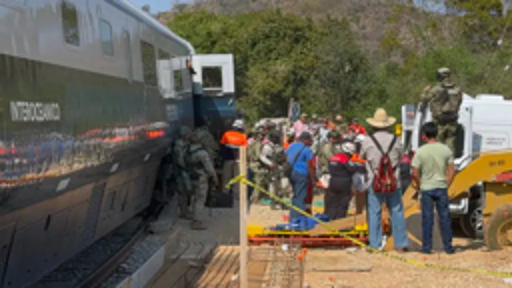
At least 13 people were killed and nearly 100 others injured after a passenger train derailed in Mexico’s south-eastern Oaxaca region, authorities said, in one of the deadliest rail accidents in the country in recent years.
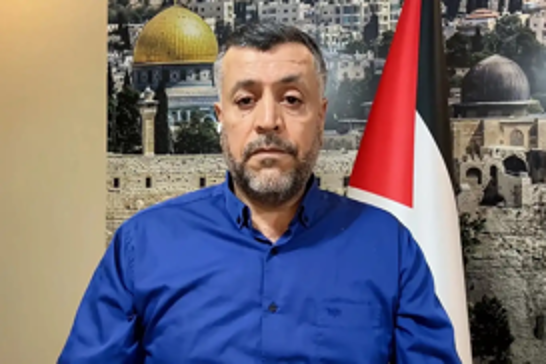
Senior Hamas official Mahmoud Mardawi has exposed the Israeli occupation's continued barbarity, charging that it flagrantly violates the truce by persisting in its campaign of massacres and deliberately starving the Palestinian people in Gaza.
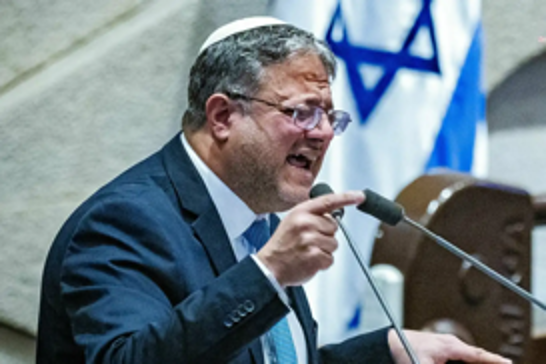
Israel’s far-right Jewish Power party, led by National Security Minister Itamar Ben Gvir, is advancing new legislation aimed at severely restricting the Islamic call to prayer, a move Palestinians and Muslim leaders have condemned as a direct attack on religious freedom and Palestinian identity.
Israel’s far-right Jewish Power party, led by National Security Minister Itamar Ben Gvir, is advancing new legislation aimed at severely restricting the Islamic call to prayer, a move Palestinians and Muslim leaders have condemned as a direct attack on religious freedom and Palestinian identity.