Palestinian groups say 1,000 days of war failed to break Gaza's will
 13 oC
13 oC 
Güneşli

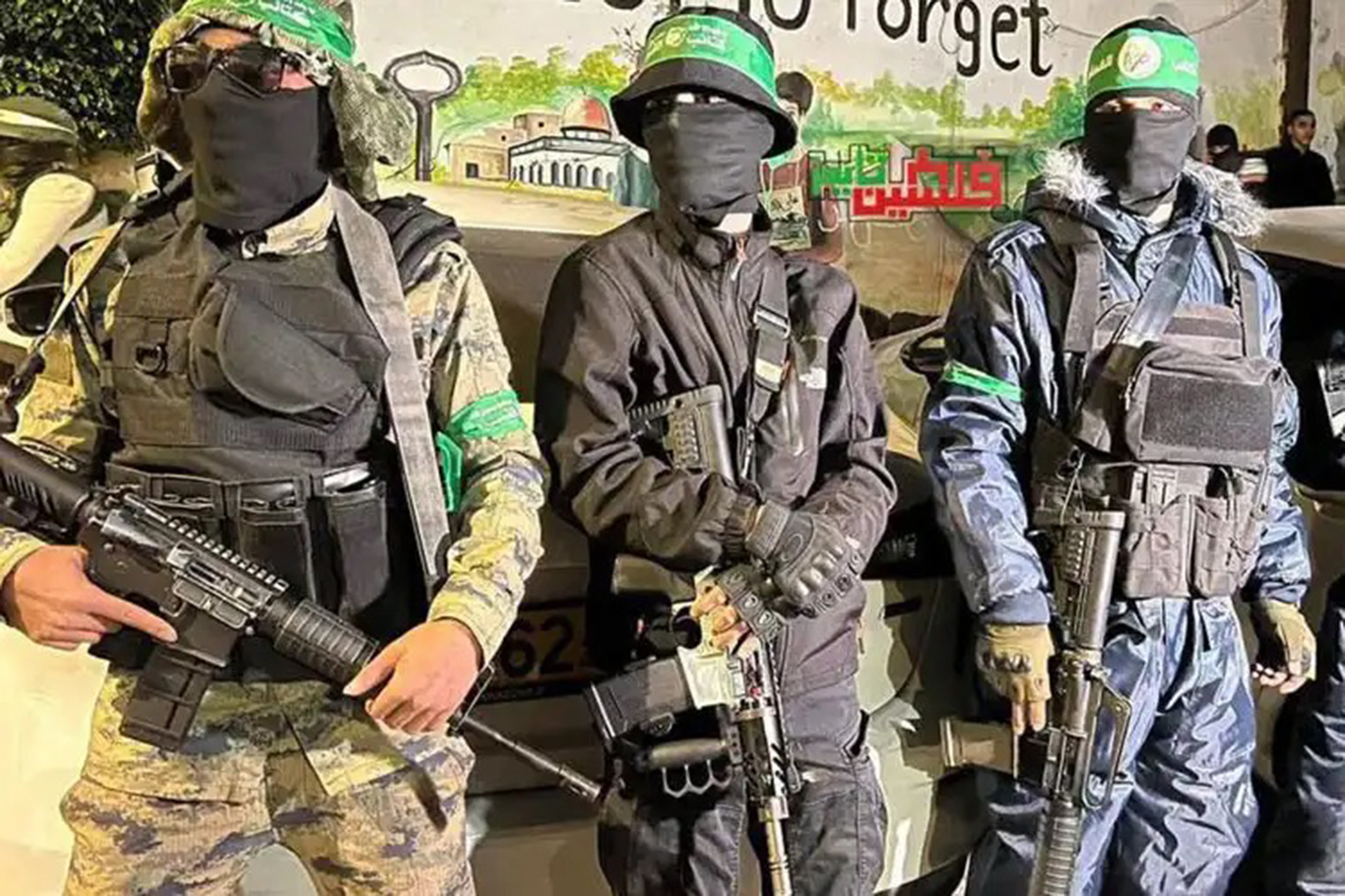
Palestinian resistance factions have reaffirmed that the Battle of Al-Aqsa Flood marked a historic turning point in the Palestinian struggle for liberation, describing the operation as a legitimate response to decades of occupation, siege, settlement expansion, and aggression against the Palestinian people.
In a statement issued on Thursday to mark 1,000 days since the beginning of Israel's war on the Gaza Strip, the factions said the operation represented a significant milestone in a resistance movement that has continued since the occupation of Palestine in 1948.
The statement, reported by Saba News Agency, stressed that the events of Al-Aqsa Flood cannot be viewed in isolation from the broader historical context of the Palestinian struggle.
Resistance Rejects Attempts to Rewrite History
The factions rejected narratives that portray the Al-Aqsa Flood operation as the beginning of the conflict, arguing that Palestinian suffering and Israeli violations long predate the operation.
"Those who attempt to present this operation as the cause of the conflict ignore the reality that the crimes of the Zionist enemy have continued uninterrupted since the occupation of Palestine," the statement said.
According to the factions, Palestinian resistance has remained active across multiple arenas for decades, reflecting what they described as the steadfast determination of the Palestinian people to confront occupation and defend their national rights.
"1,000 Days of Genocide Failed to Break Gaza"
The statement accused Israel of carrying out a campaign of genocide and ethnic cleansing against the Gaza Strip, with direct political, military, and diplomatic support from the United States and its Western allies.
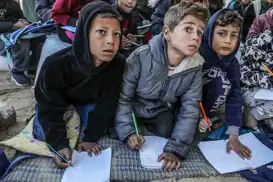
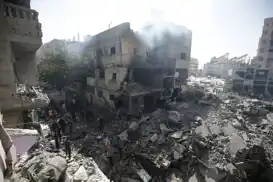
The factions argued that despite unprecedented destruction, mass displacement, and a deepening humanitarian catastrophe, Israel had failed to achieve its central objectives, particularly efforts aimed at forcibly displacing Palestinians from their homeland.
They described the past 1,000 days as a confrontation between what they called a Zionist-American colonial system, armed with advanced military technology and international backing, and a Palestinian population relying primarily on resilience, faith, and determination.
Despite the immense human cost, the factions maintained that the Palestinian people remain unbroken and that resistance continues to grow throughout the occupied territories.
Call for Escalated Resistance
Reaffirming what they described as the Palestinian people's legitimate right to resist occupation, the factions called for intensified resistance activities in the occupied West Bank, Jerusalem, and the territories occupied since 1948.
They said such efforts are necessary to confront ongoing settlement expansion, annexation policies, land confiscation, and attempts to alter the identity of Palestinian territory through Judaization policies.
The statement emphasized that efforts to impose political solutions that ignore Palestinian rights would only generate broader resistance and deepen popular rejection of occupation.
Opposition to Foreign Control Over Gaza
The factions also rejected what they described as attempts to impose foreign tutelage over the Palestinian people or dictate Gaza's future from outside Palestine.
They stressed that governance of the Gaza Strip is an internal Palestinian matter and called on the Administrative Committee tasked with managing Gaza's affairs to enter the territory and begin its responsibilities without delay.
Call for National Unity and Political Partnership
Highlighting the need for Palestinian unity in the face of mounting challenges, the factions urged the launch of a comprehensive national dialogue aimed at strengthening political partnership among all Palestinian forces.
They called for the development of a unified national strategy, the restructuring of Palestinian institutions, and the rebuilding of the Palestine Liberation Organization on a basis that includes all segments of Palestinian society.
According to the statement, national unity remains essential for confronting the political, military, and humanitarian challenges facing the Palestinian cause.
Appeal for Stronger Arab and Islamic Action
The factions also called on Arab and Muslim countries to adopt a stronger and more coordinated stance in support of Gaza and the broader Palestinian struggle.
They urged governments across the Islamic world to use their political, diplomatic, and economic influence to secure a comprehensive ceasefire, support Palestinian rights, and oppose normalization agreements with Israel.
The statement further encouraged greater public mobilization across the Arab and Muslim worlds, emphasizing the importance of sustained solidarity campaigns and support for the Palestinian people.
Tribute to Palestinian Martyrs
Concluding their statement, the resistance factions paid tribute to Palestinians killed throughout the conflict, including resistance leaders, fighters, and civilians in Gaza, the West Bank, and other fronts of confrontation.
They said the sacrifices made by Palestinian martyrs would remain a source of pride and inspiration for future generations and for supporters of the Palestinian cause around the world.
As Gaza marks 1,000 days of war, the factions reiterated that despite immense suffering and destruction, the Palestinian people's commitment to resistance, national unity, and liberation remains unwavering. (ILKHA)
LEGAL WARNING: All rights of the published news, photos and videos are reserved by İlke Haber Ajansı Basın Yayın San. Trade A.Ş. Under no circumstances can all or part of the news, photos and videos be used without a written contract or subscription.
The spokesperson for Afghanistan’s Islamic Emirate has sharply criticized the United Nations Assistance Mission in Afghanistan (UNAMA) for its performance over the past five years, accusing the mission of focusing on secondary issues while failing to effectively bridge relations between the Islamic Emirate and the international community.

At least 11 people were killed in a devastating traffic accident on the Dushanbe-Kulob-Khorog highway in Tajikistan on Thursday morning, according to the country's Interior Ministry.
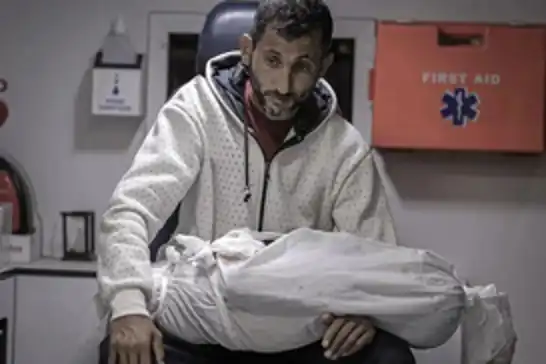
As Gaza marked 1,000 days of Israel's devastating military campaign, humanitarian organization Save the Children revealed that at least 21,000 Palestinian children have been confirmed killed, while hundreds of thousands more have been displaced, traumatized, and deprived of their basic rights, including access to education.