Russia faces growing fuel crisis following wave of Ukrainian drone attacks
 13 oC
13 oC 
Güneşli

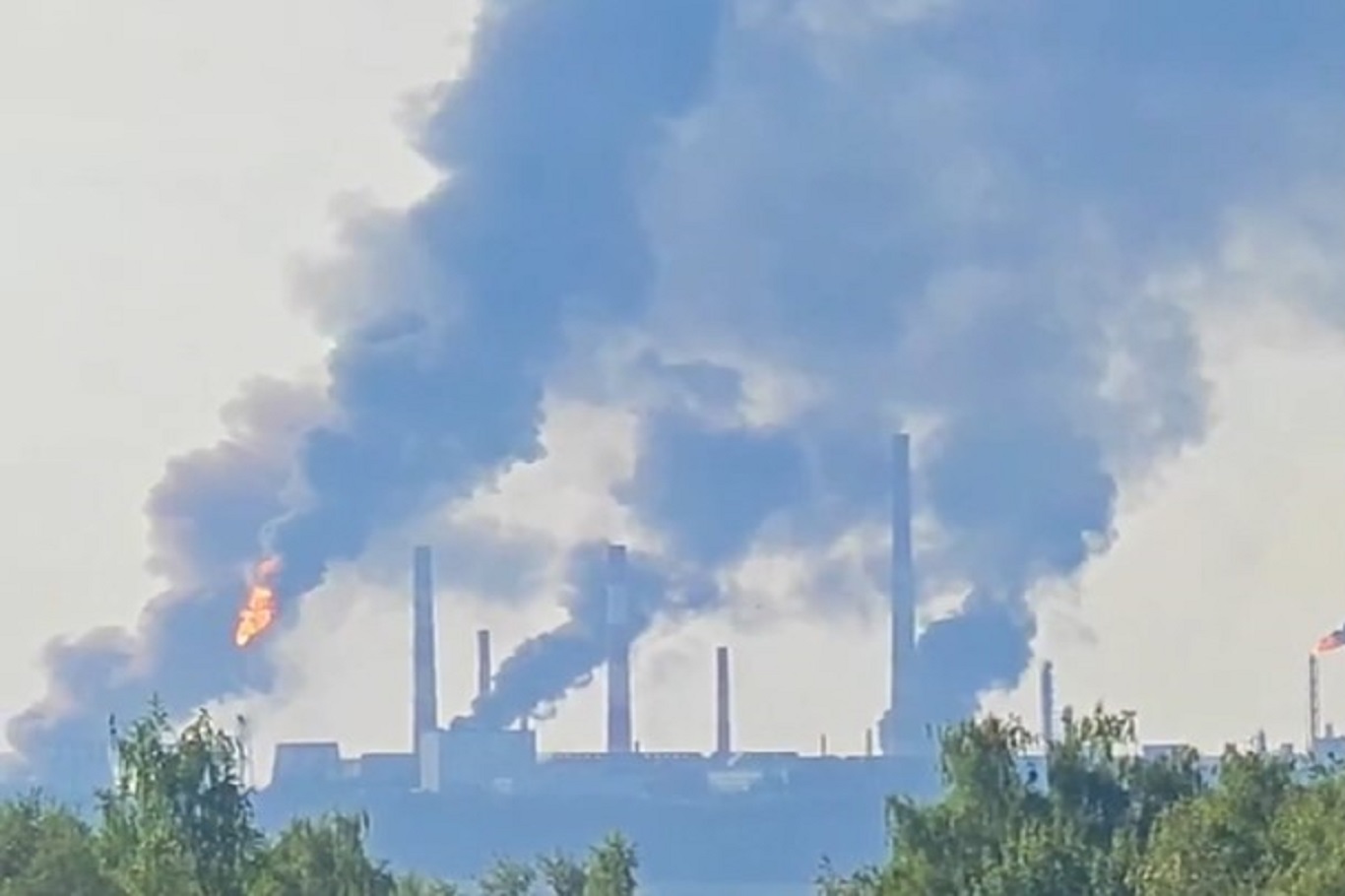
A sustained Ukrainian long-range drone campaign targeting Russia's oil infrastructure has disrupted operations at several of the country's largest refineries, contributing to fuel shortages, export restrictions, and mounting pressure on Russia's energy sector.
One of the latest strikes targeted Lukoil-Nizhegorodnefteorgsintez, Russia's fourth-largest oil refinery and second-largest gasoline producer. The facility had only recently resumed operations after an earlier attack on June 24 before being struck again on July 2, forcing another shutdown.
Days later, Ukraine reportedly targeted Gazprom's Omsk Oil Refinery, Russia's largest refining complex, located about 2,445 kilometers from Ukrainian-controlled territory. According to reports, key refining units were damaged, temporarily halting production at the facility.
The attacks form part of Ukraine's expanding campaign against Russia's energy infrastructure, with President Volodymyr Zelensky previously describing the strikes as Ukraine's "long-range sanctions" aimed at reducing Moscow's ability to finance and sustain its military operations.
Multiple refineries affected
Since the beginning of June, at least six major Russian refineries have reportedly suspended or reduced operations following Ukrainian drone attacks.
Industry analysts say nearly every major refinery in European Russia has now been targeted, with only the Angarsk Refinery in eastern Siberia largely escaping damage due to its distance from the conflict zone.
Among the highest-profile targets was the Moscow Oil Refinery, where repeated drone strikes reportedly caused significant damage, disrupting operations at one of the country's most strategically important fuel production facilities.
Fuel shortages emerge across Russia
The refinery disruptions have contributed to tightening domestic fuel supplies.
Several Russian regions have reported gasoline shortages, prompting authorities to introduce fuel rationing measures while temporarily restricting exports of gasoline and aviation fuel in an effort to stabilize the domestic market.
Motorists in a number of regions have experienced long queues at filling stations, while local media have reported periodic shortages of certain fuel grades.
Russian President Vladimir Putin acknowledged the situation during a meeting with energy industry executives, saying authorities were aware of queues at petrol stations and shortages affecting some regions.
"Unfortunately, there are still lines at gas stations, and the right grade of gasoline isn't always available," Putin said, adding that agricultural producers were also experiencing fuel-related difficulties.
Analysts assess impact on Russian economy
The extent of the damage remains the subject of differing assessments.
Ukraine's General Staff has claimed that more than 40 percent of Russia's refining capacity has been disabled, while the International Energy Agency (IEA) estimates that more than 20 percent of the country's refining capacity has been taken offline.
The IEA described the disruption as unprecedented during the conflict, noting that the repeated attacks have complicated refinery operations and maintenance.
Energy analysts say modern oil refineries rely on highly specialized equipment that can require months or even years to replace if severely damaged, making sustained disruptions more difficult to overcome than temporary interruptions in crude oil production.
Kremlin seeks alternative fuel supplies
In response to the shortages, Russian authorities have taken steps to supplement domestic fuel supplies.
According to Russian media reports, Moscow has increased gasoline imports from India while arranging additional fuel deliveries from Belarus, Kazakhstan, and China.
Officials are also reportedly considering allowing wider production of lower-grade Euro-2 gasoline to ease supply constraints, although experts warn that such fuel is less suitable for modern vehicles and could increase long-term maintenance costs.
Broader economic pressure
The energy disruptions come as Russia continues to face broader economic challenges linked to the prolonged conflict and international sanctions.
Business leaders have increasingly expressed concern over slowing economic growth, labor shortages, inflationary pressures, and the costs associated with sustaining military operations.
Economists note that while Russia has demonstrated resilience in adapting to sanctions, repeated attacks on critical energy infrastructure could place additional strain on industrial production, government revenues, and domestic supply chains if disruptions continue.
As Ukraine continues to expand the range and frequency of its long-range drone operations, energy infrastructure has become one of the central fronts in the broader economic dimension of the conflict, with both sides seeking to weaken each other's capacity to sustain the war. (ILKHA)
LEGAL WARNING: All rights of the published news, photos and videos are reserved by İlke Haber Ajansı Basın Yayın San. Trade A.Ş. Under no circumstances can all or part of the news, photos and videos be used without a written contract or subscription.
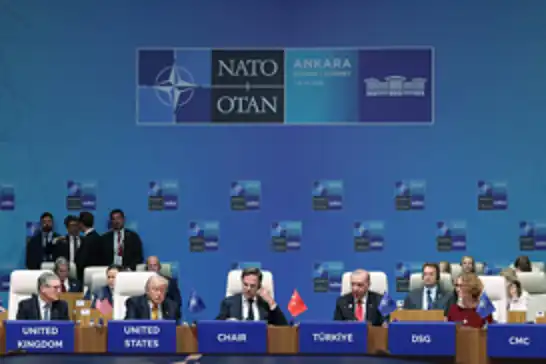
President Recep Tayyip Erdoğan on Wednesday announced a major expansion of Türkiye’s defense capabilities, unveiling a $24 billion investment in the country's "Steel Dome" air and missile defense project while reaffirming Ankara’s commitment to strengthening NATO’s collective security architecture.

Denmark on Wednesday reaffirmed its commitment to defending Greenland and its national territory after US President Donald Trump renewed calls for the United States to assume control of the Arctic island, overshadowing discussions at the NATO Summit in Ankara.
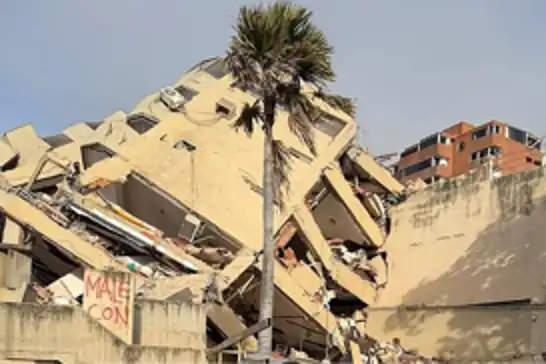
The death toll from the powerful earthquake that struck Venezuela late last month has climbed to 3,685, while thousands remain injured or displaced as rescue and recovery efforts continue across the country's hardest-hit regions.