Sudani’s coalition leads Iraq’s parliamentary elections as KDP dominates in Kurdistan Region
 13 oC
13 oC 
Güneşli

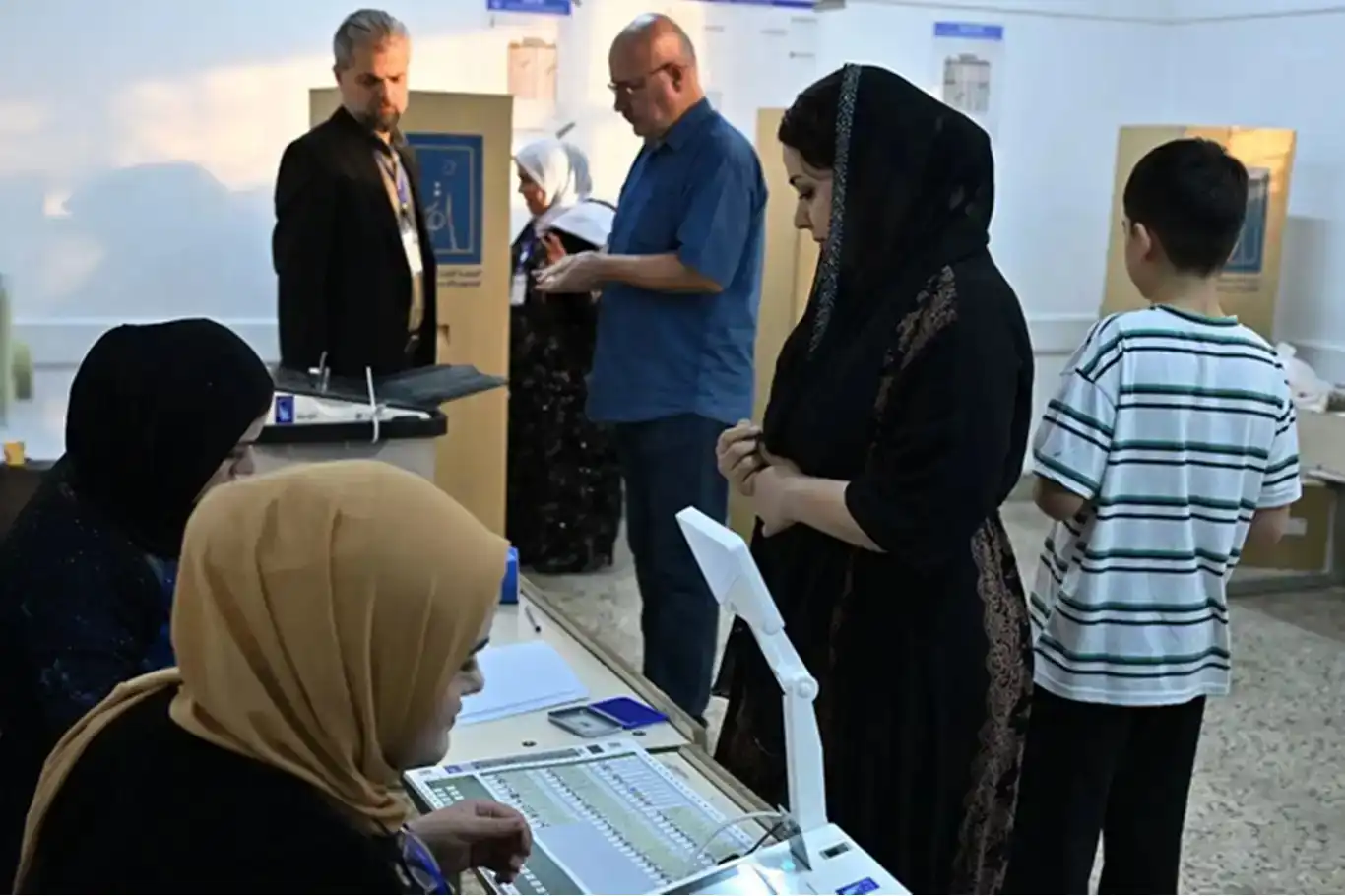
Preliminary results from Iraq’s parliamentary elections show that Prime Minister Mohammed Shia al-Sudani’s Reconstruction and Development Coalition has secured the largest share of votes nationwide, while Masoud Barzani’s Kurdistan Democratic Party (KDP) emerged as the leading force in the Kurdistan Region.
The Independent High Electoral Commission (IHEC) announced the initial official results during a press conference in Baghdad on Wednesday, confirming that Sudani’s coalition received 1.317 million votes, placing it firmly in first position across Iraq.
According to the results, the Taqaddum Party, led by former parliament speaker Mohammed al-Halbousi, ranked second, followed by Nouri al-Maliki’s State of Law Coalition in third. Sudani’s bloc also demonstrated strong performance in the holy cities of Najaf and Karbala, solidifying his leadership standing in Iraq’s predominantly Shia heartland.
In the Kurdistan Region, Barzani’s Kurdistan Democratic Party (KDP) maintained its political dominance, leading the vote in Erbil, Duhok, and Mosul, surpassing the one-million-vote mark and winning 27 parliamentary seats. The Patriotic Union of Kurdistan (PUK) followed with 18 seats, while Helwest secured 5, the Islamic Union (Yekgirtu) 4, New Generation 3, and Komel 1 seat.
In Sulaimaniyah, the PUK dominated with 9 seats, followed by Helwest with 3, the KDP with 2, and both New Generation and Yekgirtu gaining 2 seats each. In Duhok, the KDP maintained an overwhelming lead, winning 9 seats, while Yekgirtu captured 2.
In the oil-rich province of Kirkuk, which elects 13 parliamentary representatives including one Christian quota seat, Kurdish parties collectively lost one seat compared to previous elections. The PUK secured 4 seats, the KDP obtained 1 seat with 59,294 votes, while Taqaddum won 3, the United Iraqi Turkmen Front 2, the Arab Coalition 1, and the Azim Coalition 1 seat.
The IHEC reported a 56.11% voter turnout, marking a notable increase compared to recent election cycles.
In a televised address following the announcement, Prime Minister Sudani welcomed the results, saying the turnout “reflects a renewed confidence in Iraq’s political system and its democratic path.”
Despite Sudani’s coalition taking first place, no single party or bloc holds a majority in Iraq’s 329-member parliament, making post-election negotiations crucial for forming the next government. The talks to build a governing coalition are expected to begin in the coming days and may take several months to conclude.
Analysts say the results reaffirm Sudani’s broad appeal among Iraqi voters while underscoring the continued political influence of Kurdish parties in the country’s north, setting the stage for complex coalition-building in the months ahead. (ILKHA)
LEGAL WARNING: All rights of the published news, photos and videos are reserved by İlke Haber Ajansı Basın Yayın San. Trade A.Ş. Under no circumstances can all or part of the news, photos and videos be used without a written contract or subscription.
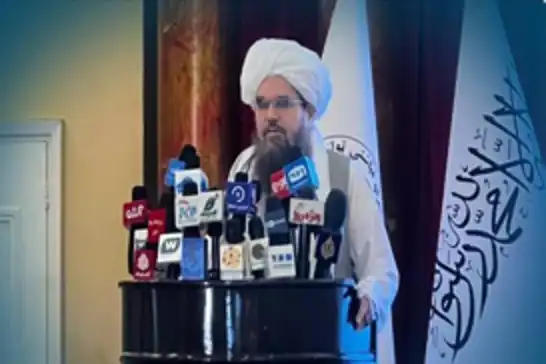
The Afghan Red Crescent Society (ARCS) distributed 1.8 billion Afghanis in cash assistance last year to needy people, widows and families affected by war, its president, Sheikh Shahabuddin Delawar, has announced.
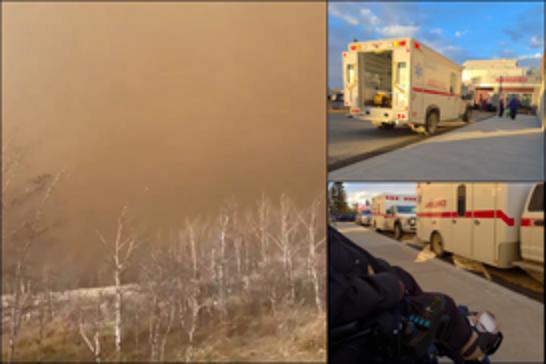
A major fire at a Canadian military training base in Alberta has left several people dead and others injured, prompting an emergency response involving military personnel, police and local firefighters, Canada's defence minister said.
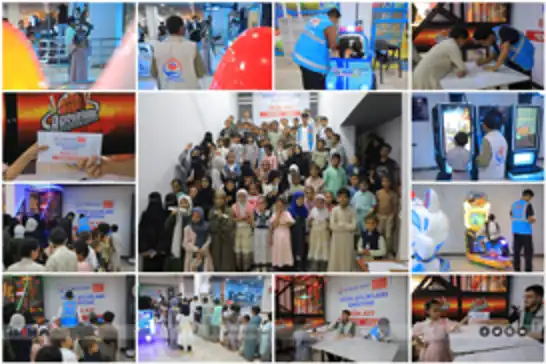
The Orphans Foundation (Yetimler Vakfı) has delivered its October cash assistance to orphaned children in Yemen and organized recreational activities to bring joy to the children it supports.
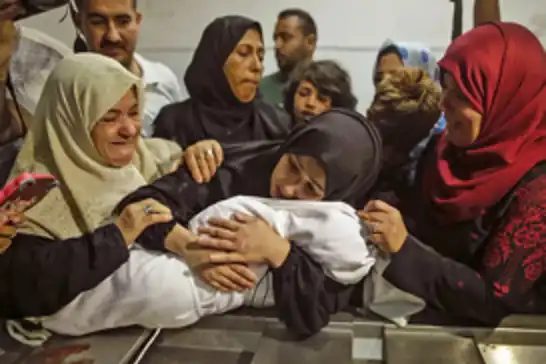
A six-year-old Palestinian girl was martyred and several other Palestinians were wounded in fresh Israeli attacks across the Gaza Strip on Sunday, as Israeli forces continued targeting areas sheltering displaced families and carried out attacks in coastal and central parts of the besieged enclave.