Trump’s proposed 25% tariff on Brazilian imports sparks tensions with Lula government
 13 oC
13 oC 
Güneşli

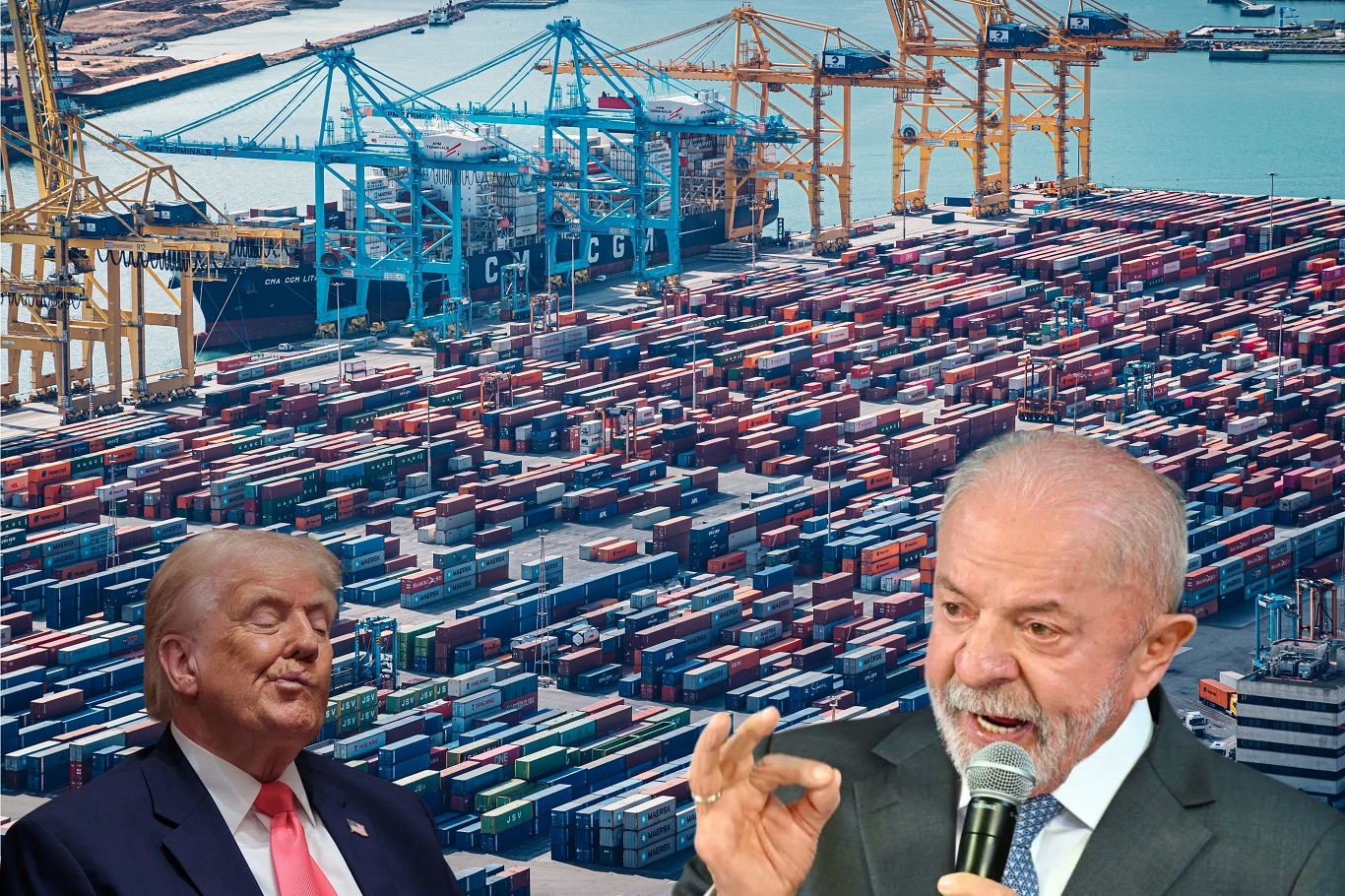
The Trump administration’s plan to impose an additional 25% tariff on imports from Brazil has triggered a sharp diplomatic and economic dispute between Washington and Brasília, raising fears of escalating trade tensions between the United States and Latin America’s largest economy.
Brazilian President Luiz Inácio Lula da Silva reacted strongly to the proposal, describing it as politically motivated rather than based on sound economic grounds. Lula suggested the move was influenced by lobbying from allies of former President Jair Bolsonaro, particularly highlighting a recent visit to the US by Senator Flávio Bolsonaro.
US officials have justified the tariff plan by pointing to alleged restrictive trade practices and barriers in Brazil that they say harm American commercial interests. The proposal stems from an investigation by the Office of the United States Trade Representative, which accused Brazil of insufficient action on corruption concerns and unfair trade policies.
However, the rationale has faced criticism because the United States has consistently maintained a substantial trade surplus with Brazil. Official figures show US exports to Brazil rose 11% in 2024 to $54.4 billion, while Brazilian exports to the US fell 5.7% to $39.9 billion, resulting in a US trade surplus exceeding $14 billion.
Lula also criticized US Secretary of State Marco Rubio, accusing him of adopting a negative stance toward Latin America and suggesting certain elements in the US foreign policy establishment are hindering better bilateral relations. The Brazilian government stated that ties between the two countries are being undermined by political interference linked to the Bolsonaro family’s domestic electoral interests.
In response, Brazilian officials said they hope the tariffs will not be implemented but emphasized readiness to take reciprocal measures to safeguard national industries and jobs. President Lula indicated that Brazil would actively seek alternative markets if access to the US market is further restricted. China, already Brazil’s top trading partner for nearly a decade, is expected to gain even greater importance in such a scenario.
This latest dispute adds to previous tariff actions taken by the Trump administration against Brazilian goods, which analysts have often connected to political disagreements, including legal issues facing Jair Bolsonaro in Brazil.Public hearings on the proposed tariff package are scheduled for July 6, as observers monitor whether the conflict develops into a wider economic confrontation between the two major economies. (ILKHA)
LEGAL WARNING: All rights of the published news, photos and videos are reserved by İlke Haber Ajansı Basın Yayın San. Trade A.Ş. Under no circumstances can all or part of the news, photos and videos be used without a written contract or subscription.
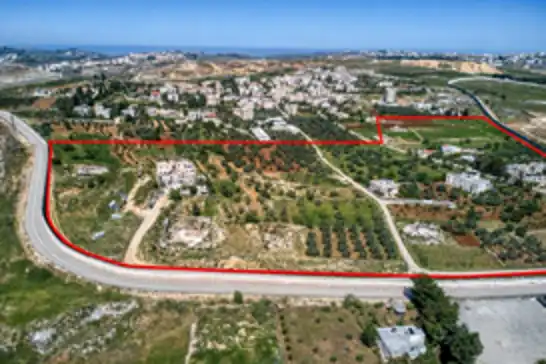
Israeli authorities have pushed forward with plans for a massive waste treatment and energy conversion plant on stolen Palestinian land in Qalandiya village, northwest of occupied Jerusalem, prompting strong condemnation from Palestinian officials who warn it is part of a systematic effort to ethnically cleanse and Judaize the area.

Sheikh Ekrima Sabri, head of the Higher Islamic Council in Occupied Jerusalem, has strongly warned of a new Israeli draft law that seeks to restrict and potentially ban the Adhan — the sacred Islamic call to prayer — across Jerusalem and the occupied Palestinian territories of 1948.
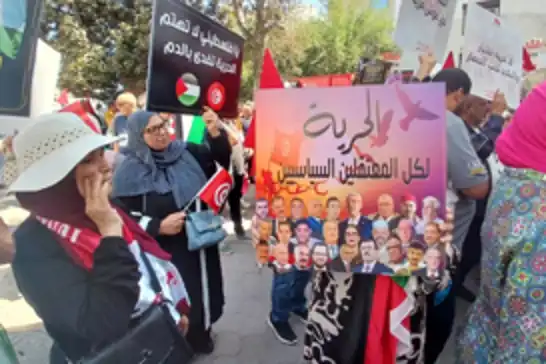
Former Tunisian intelligence chief Kamel Guizani has accused relatives of President Kais Saied and senior government officials of orchestrating surveillance operations against opposition figures and fabricating legal cases to secure their imprisonment.