Trump’s third-country deportations put migrants at risk of abuse, HRW warns
 13 oC
13 oC 
Güneşli

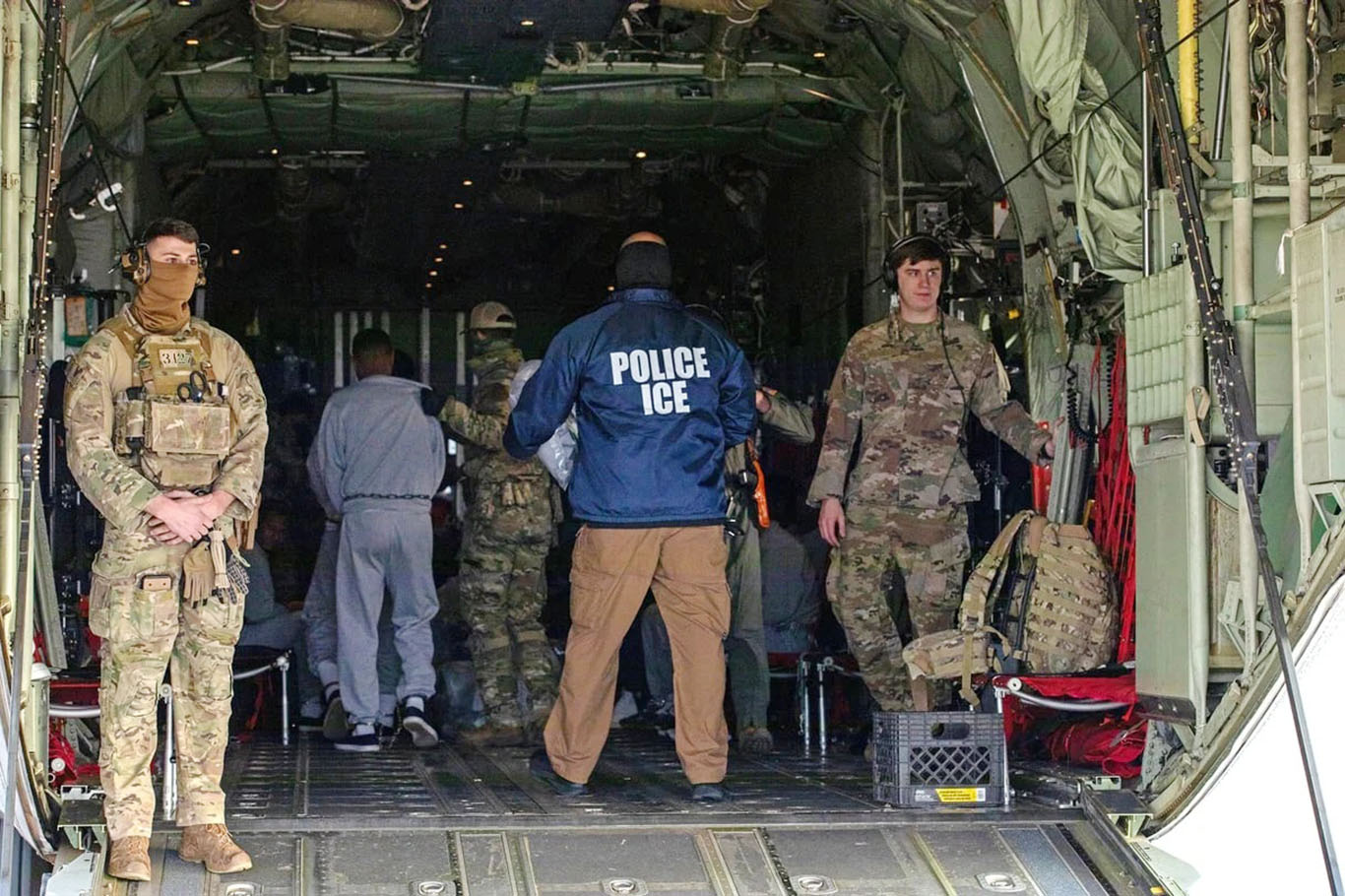
Human Rights Watch (HRW) has condemned the Trump administration’s deportation of migrants from the United States to African countries where they have no citizenship or prior ties, describing the policy as unlawful and warning that it deliberately exploits human suffering to deter migration.
In a report, the rights group said many of those deported had little practical choice but to return to their countries of origin, despite facing potential persecution, torture or other serious harm.
Since US President Donald Trump returned to the White House in 2025, more than 500 people have been transferred to African countries where they are not citizens, according to HRW, citing US government data.
The policy has drawn criticism from human rights advocates, who say Washington is using vulnerable migrants as instruments of deterrence rather than ensuring that their rights and safety are protected.
The US Department of Homeland Security (DHS) defended the practice, describing third-country removals as “an essential public safety tool” intended to remove what it called the most dangerous criminal undocumented immigrants from US streets.
However, HRW's findings raise serious concerns about the treatment of deportees and the consequences of transferring people to countries with which they have no meaningful connection.
Migrants Face Arbitrary Detention and Risk of Abuse
According to HRW, migrants sent to Eswatini, Ghana and South Sudan have faced arbitrary detention and ill-treatment while in custody.
The organization also reported that deportees transferred to Cameroon, Equatorial Guinea and Ghana had subsequently been sent to their countries of origin despite the risk of persecution or other serious harm.
Such transfers could violate the principle of non-refoulement, a fundamental protection under international refugee and human rights law that prohibits returning people to places where they face a real risk of torture, persecution or other serious violations.
HRW also cited the case of Eswatini, which received 32 deportees from the United States. Authorities in the southern African country said three people from Yemen, Belize and Laos had recently “voluntarily departed” for their countries of origin.
The circumstances surrounding such departures underscore the concerns raised by rights advocates about whether migrants transferred to third countries can make genuinely voluntary decisions when their freedom and future remain uncertain.
HRW Says Policy Is Designed to Instill Fear
The report cited an unnamed US official who reportedly told a Senate hearing that the administration's approach was intended to threaten migrants with being sent to unfamiliar places.
“The point is to scare people,” HRW said, describing the policy as an attempt to use fear and uncertainty to discourage migration.
Michael Garcia Bochenek, HRW's interim US programme director, said the deportations were part of a broader strategy that deliberately inflicts hardship on vulnerable people to discourage others from seeking safety in the United States.
“Deporting people to countries where they have never set foot is part of a US policy designed to cause human suffering as a means to deter migration,” he said.
Critics argue that the approach places people at risk of arbitrary detention, abuse and forced return while undermining protections intended to prevent individuals from being sent to places where their lives or freedom could be threatened.
Trump’s Anti-Migration Agenda Under Scrutiny
Restricting immigration was a central pledge of Trump's 2024 presidential campaign. Since returning to office, his administration has pursued a hard-line approach to deportations and immigration enforcement.
The use of third-country deportations has intensified debate over the limits of executive power and Washington's obligations under international human rights law.
Human rights advocates maintain that governments have the right to enforce immigration rules but must do so without exposing people to torture, persecution or degrading treatment. They warn that transferring migrants to countries where they have no established ties cannot replace fair asylum procedures or individual assessments of the dangers they may face.
HRW's findings add to mounting criticism of a policy that, according to the organization, relies on fear and the threat of human suffering to deter people from seeking a better life or protection from danger.
The group is calling attention to the treatment of deportees and the risks they face, renewing concerns that the administration's pursuit of tougher immigration enforcement is coming at the expense of basic human rights and human dignity. (ILKHA)
LEGAL WARNING: All rights of the published news, photos and videos are reserved by İlke Haber Ajansı Basın Yayın San. Trade A.Ş. Under no circumstances can all or part of the news, photos and videos be used without a written contract or subscription.

An Israeli soldier was killed and three others lightly wounded in southern Lebanon on Thursday, the Israeli army said, as Israeli forces continue their military presence on Lebanese territory despite a ceasefire agreement and diplomatic efforts to stabilize the region.

A growing wave of hunger strikes in Tunisian prisons has raised serious concerns over the health and safety of detained political opponents, pro-Palestinian activists and civil society figures, as rights groups warn of an intensifying crackdown under President Kais Saied.

US Defense Secretary Pete Hegseth has announced that the execution of former Army psychiatrist Nidal Malik Hasan, who was sentenced to death for killing 13 people in the 2009 Fort Hood shooting, will be carried out by firing squad on December 3 and broadcast live to the public.