Tunisia’s political detainees risk health as hunger strikes intensify
 13 oC
13 oC 
Güneşli

A growing wave of hunger strikes in Tunisian prisons has raised serious concerns over the health and safety of detained political opponents, pro-Palestinian activists and civil society figures, as rights groups warn of an intensifying crackdown under President Kais Saied.
Several prominent detainees have launched open-ended hunger strikes to protest prolonged pre-trial detention, restrictions on basic rights and prison conditions, with reports indicating that some have reached critical stages of physical deterioration.
Pro-Palestinian Activists Face Critical Health Conditions
The health of four pro-Palestinian activists known as the “Sumud 4” has reportedly deteriorated severely after months in pre-trial detention.
Wael Naouar, Ghassen Henchiri, Ghassen Boughdiri and Nabil Channoufi were arrested in March 2026 over alleged financial misconduct linked to fundraising for the Global Sumud Flotilla, a civilian initiative that sought to challenge Israel’s blockade of Gaza and deliver humanitarian aid to Palestinians.
Naouar began a hunger strike on August 16 to protest the activists’ continued detention. According to updates from the Arab Organisation for Human Rights and the Global Sumud Flotilla Steering Committee, he subsequently suffered a serious medical emergency, reportedly entering a semi-comatose state and experiencing significant hearing and vision loss.
Medical personnel temporarily stabilized Naouar and Channoufi, while Henchiri and Boughdiri reportedly continued their hunger strikes despite severe physical weakness and difficulties walking.
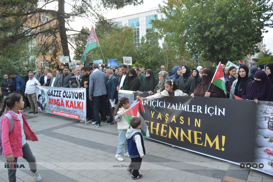
The activists’ detention has sparked protests in Tunis after a court extended their pre-trial detention by another four months. Their defense team condemned the decision as politically motivated.
The case has intensified concerns among supporters of the Palestinian cause, who view the prosecution of the activists as a troubling development for civil society groups engaged in humanitarian solidarity with Gaza.
Opposition Leaders Join Hunger Strike Campaign
The hunger strikes have also spread among prominent figures from Tunisia’s opposition, including members of the National Salvation Front and the Ennahda movement.
Abdelhamid Al-Jlassi, a veteran Ennahda politician serving a 10-year sentence in a conspiracy case, reportedly began an open-ended hunger strike to protest what his family described as discriminatory treatment of political prisoners and restrictions on basic rights, including family visits.
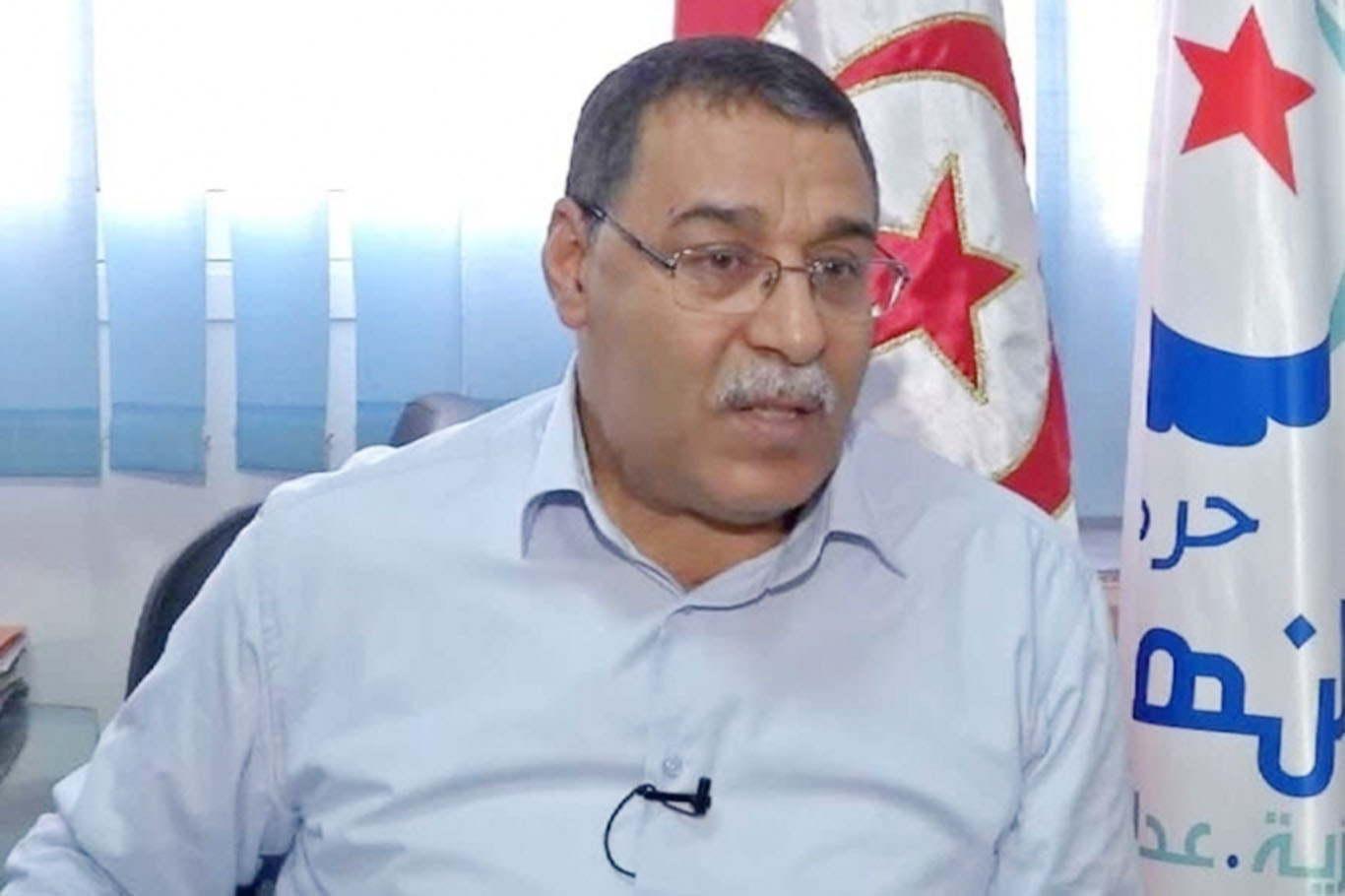
Ahmed Najib Chebbi, head of the National Salvation Front, and fellow opposition figure Sahbi Atig have also launched indefinite hunger strikes, according to reports, protesting restrictions on access to independent media and information.
Chebbi’s family has expressed concern over the lack of information about his medical condition.
Rached Ghannouchi, the 85-year-old leader of Ennahda, previously staged a five-day hunger and medication strike after being placed in isolation at a hospital. He ended the protest following serious warnings from his medical team.
The simultaneous protests highlight growing tensions between Tunisia’s authorities and opposition figures, many of whom accuse the government of using judicial proceedings and restrictive detention conditions to suppress dissent.
Rights Groups Warn of Erosion of Judicial Independence
The prison hunger strikes have renewed scrutiny of Tunisia’s judicial system and the treatment of political detainees under Saied, whose government has faced sustained criticism from opposition parties and human rights organizations.
Amnesty International and other rights groups have called for the release of political opponents detained in cases they say raise serious fair-trial concerns.
Among them is human rights lawyer Ayachi Hammami, who reportedly staged a 45-day hunger strike following his conviction in a case involving alleged conspiracies against state security.
Rights advocates argue that prolonged detention, restrictions on communication and inadequate access to independent information risk further undermining fundamental freedoms in Tunisia.
The detainees’ hunger strikes have also raised concerns about the authorities’ responsibility to protect prisoners’ health and ensure timely medical treatment, particularly when prolonged refusal of food places lives at risk.
The Tunisian Prisons Authority has reportedly maintained that the prisoners’ conditions remain stable, a position that contrasts with warnings from supporters and independent observers about the potential consequences of continued hunger strikes.
As the protests continue, rights advocates are urging Tunisian authorities to address the detainees’ grievances, guarantee adequate medical care and uphold due-process protections. The worsening health concerns have placed renewed pressure on the government to demonstrate that political opposition and solidarity with the Palestinian cause will not be met with arbitrary detention or the denial of fundamental rights. (ILKHA)
LEGAL WARNING: All rights of the published news, photos and videos are reserved by İlke Haber Ajansı Basın Yayın San. Trade A.Ş. Under no circumstances can all or part of the news, photos and videos be used without a written contract or subscription.
An Israeli soldier was killed and three others lightly wounded in southern Lebanon on Thursday, the Israeli army said, as Israeli forces continue their military presence on Lebanese territory despite a ceasefire agreement and diplomatic efforts to stabilize the region.
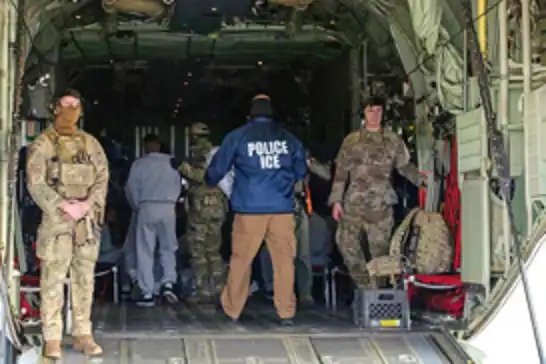
Human Rights Watch (HRW) has condemned the Trump administration’s deportation of migrants from the United States to African countries where they have no citizenship or prior ties, describing the policy as unlawful and warning that it deliberately exploits human suffering to deter migration.
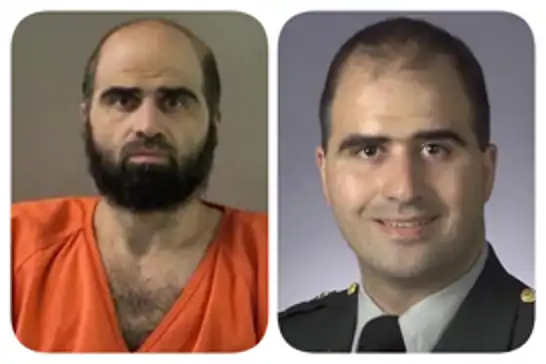
US Defense Secretary Pete Hegseth has announced that the execution of former Army psychiatrist Nidal Malik Hasan, who was sentenced to death for killing 13 people in the 2009 Fort Hood shooting, will be carried out by firing squad on December 3 and broadcast live to the public.