Trump says he would be “honored” to meet Iran’s supreme leader
 13 oC
13 oC 
Güneşli

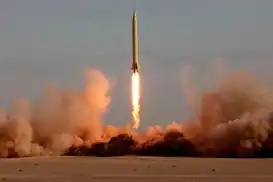
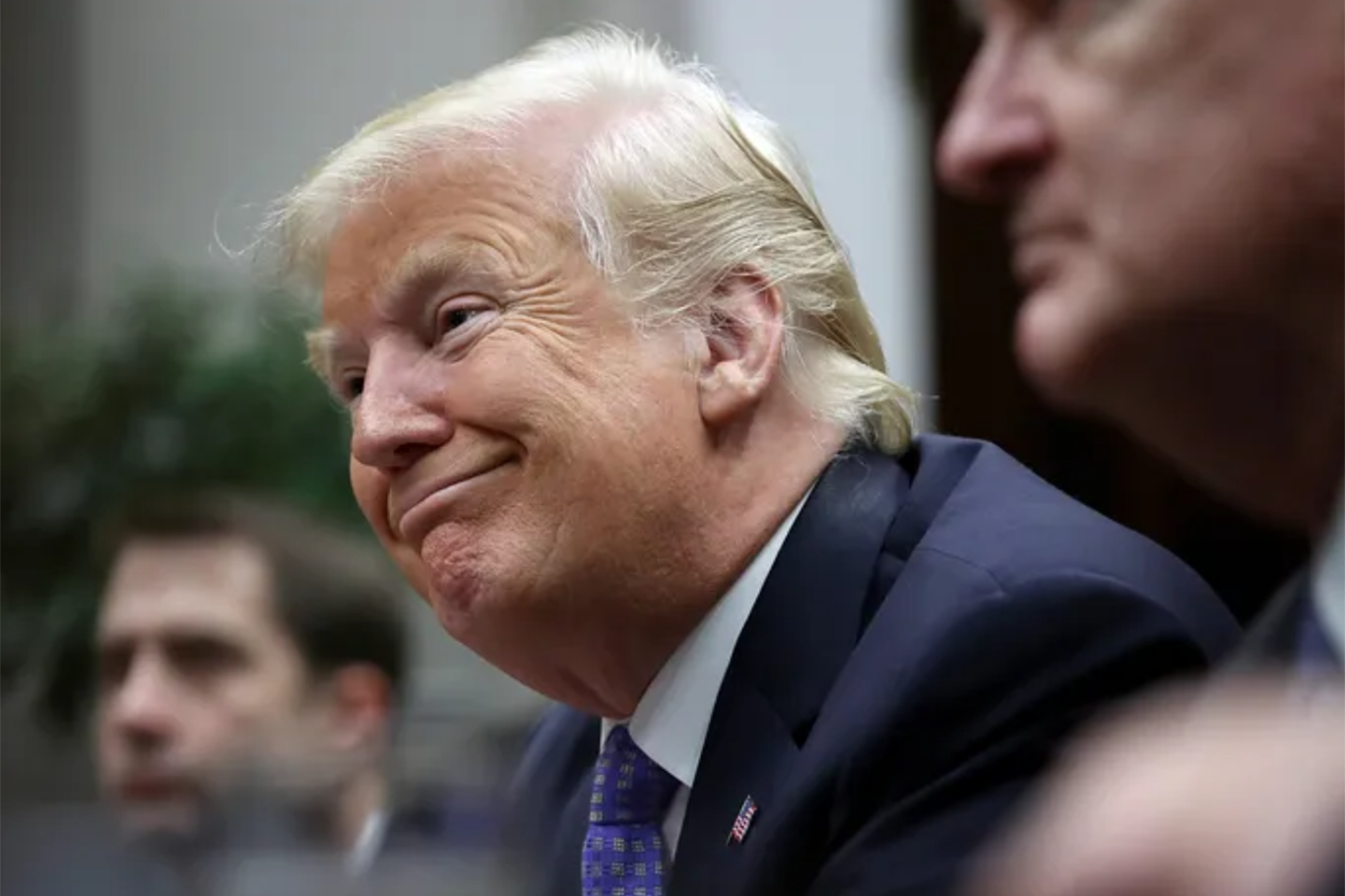
U.S. President Donald Trump has expressed his willingness to meet with Iran’s Supreme Leader, Ayatollah Mojtaba Khamenei, as diplomatic efforts continue to end the months-long conflict between the United States and the Islamic Republic of Iran.
Speaking to reporters in the Oval Office on Thursday, Trump said he would be “honored” to meet the Iranian leader if negotiations lead to a comprehensive agreement that brings an end to the war, which has now entered its fourth month.
“If we make a deal, it’s possible that I would meet,” Trump said. “I’d be okay with that.”
The remarks are being viewed by observers as a recognition of Iran’s central role in shaping the outcome of the regional crisis and the growing importance of direct engagement with Tehran’s leadership.
Ayatollah Mojtaba Khamenei assumed leadership of the Islamic Republic following the killing of his father, Ayatollah Ali Khamenei, during the opening stages of the conflict. Despite the loss of senior Iranian leaders and members of the Khamenei family in U.S.-Israeli attacks, Iranian institutions have remained intact, and the country has continued to project resilience in the face of sustained military and economic pressure.
Trump acknowledged Khamenei’s standing, describing him as a “professional” and noting that the Iranian leader enjoys a positive reputation in some circles.
The conflict has had far-reaching global consequences, disrupting energy markets and contributing to rising oil and fuel prices worldwide. The Strait of Hormuz, through which roughly one-fifth of the world’s oil supply passes, has remained largely closed since the beginning of hostilities, underscoring Iran’s strategic significance in global energy security.
Negotiations aimed at ending the conflict have produced mixed signals in recent weeks. Washington continues to demand guarantees regarding Iran’s nuclear program and the reopening of maritime routes, while Tehran has insisted on a comprehensive end to military aggression across multiple fronts and the lifting of measures it considers acts of economic warfare, including the U.S. naval blockade of Iranian ports.
Iranian officials have repeatedly emphasized that any agreement must respect the country’s sovereignty, security interests, and legitimate rights under international law.
Earlier this week, Iranian state media reported that Tehran’s negotiators were prepared to suspend talks amid continuing pressure and uncertainty surrounding the negotiations. However, subsequent statements from U.S. officials suggested that progress may have been made on key issues.
Analysts note that Trump’s openness to a direct meeting with Ayatollah Khamenei reflects the reality that any lasting settlement will require engagement with Iran’s leadership and recognition of the country’s influence in shaping the future of the region.
As diplomatic efforts continue, attention remains focused on whether ongoing negotiations can produce a durable agreement capable of ending the conflict while addressing Iran’s longstanding demands for security, sovereignty, and regional stability. (ILKHA)
LEGAL WARNING: All rights of the published news, photos and videos are reserved by İlke Haber Ajansı Basın Yayın San. Trade A.Ş. Under no circumstances can all or part of the news, photos and videos be used without a written contract or subscription.
Russian President Vladimir Putin has reiterated his country’s long-standing backing for the creation of an independent Palestinian state, stressing that a sustainable resolution to the Israeli-Palestinian conflict is impossible without it.

An 18-year-old Palestinian was killed late Thursday during an Israeli military raid on the village of Beitin, east of Ramallah in the occupied West Bank, according to Palestinian health officials and local sources.
Iranian Foreign Minister Abbas Araghchi reiterated that Tehran will consult Gulf countries regarding issues related to the Strait of Hormuz, but said the final decision on the strategic waterway will be made jointly by Iran and Oman.
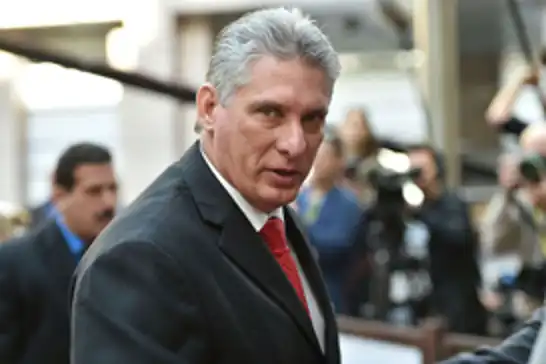
The United States administration has imposed sanctions on five individuals, including Cuban President Miguel Díaz-Canel, in a move that marks another escalation in tensions between Washington and Havana.