UN warns of deepening water crisis in Kabul as groundwater levels continue to decline
 13 oC
13 oC 
Güneşli

The United Nations has warned that Afghanistan’s capital is facing a worsening drinking water crisis, with declining groundwater reserves, rapid urban growth, and climate-related pressures threatening the long-term sustainability of water supplies for millions of residents.
According to recent assessments cited by UN agencies, Kabul is experiencing one of the most severe urban water shortages in the region. Years of excessive groundwater extraction, recurring droughts, inadequate infrastructure, and a rapidly expanding population have placed unprecedented strain on the city's already fragile water resources.
The UN cautioned that the growing shortage poses significant challenges not only to public health and daily life but also to the future economic and social development of the Afghan capital.
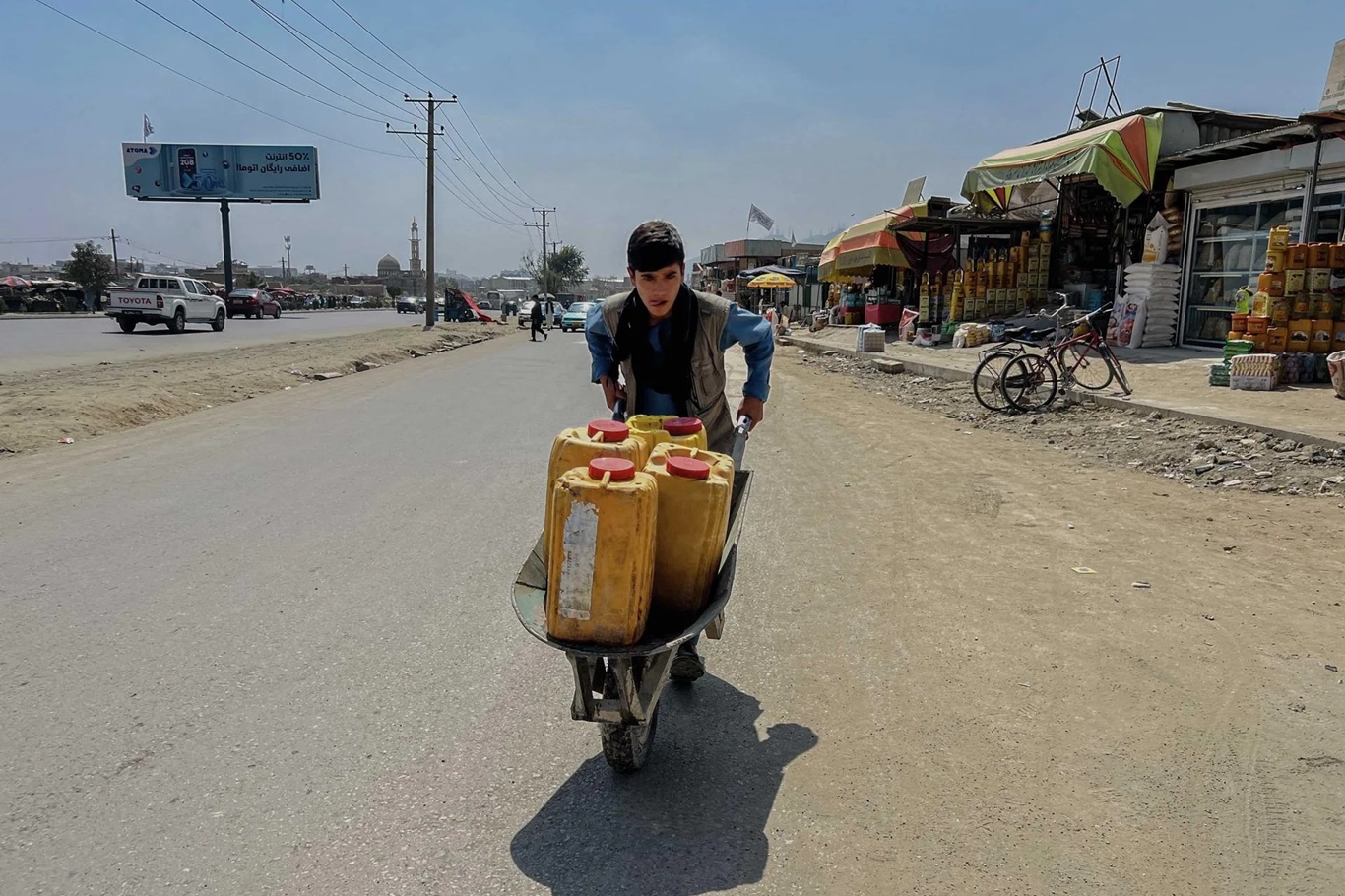
Kabul's population has expanded dramatically over the past two decades, increasing demand for water far beyond the capacity of existing supply systems. Many residents rely on private wells, water tankers, or informal distribution networks, while some neighborhoods receive only limited access to safe drinking water.
Environmental experts have warned that groundwater levels in parts of the city have fallen by several meters in recent years, raising concerns about the long-term viability of Kabul's primary water source. In some districts, wells that once supplied communities year-round have reportedly dried up, forcing families to travel long distances or pay increasingly high prices for water.
The situation has been further aggravated by climate change, which has contributed to more frequent droughts, reduced snowfall in surrounding mountain regions, and lower recharge rates for groundwater aquifers. Afghanistan has experienced repeated periods of below-average rainfall in recent years, placing additional pressure on already scarce water resources.
In response to the crisis, Afghan authorities have announced a number of major infrastructure initiatives aimed at improving water security in Kabul. These include plans to expand urban water distribution networks, rehabilitate existing facilities, and develop large-scale projects designed to increase access to drinking water for the city's growing population.
Among the most significant proposals is the long-discussed Panjshir River water transfer project, which officials say could help supply millions of residents if completed. Authorities have also explored new groundwater management measures and efforts to improve water conservation across the capital.
International organizations have emphasized that long-term solutions will require substantial investment in water infrastructure, sustainable groundwater management, and climate adaptation strategies. Humanitarian agencies have also called for increased support for communities most affected by water scarcity, particularly low-income families who spend a significant portion of their income purchasing water.
Public health experts warn that inadequate access to clean water can increase the risk of disease outbreaks, particularly in densely populated urban areas where sanitation systems remain under strain.
Despite repeated efforts by successive administrations and international partners to improve water access, Kabul continues to face chronic shortages that affect millions of residents. Analysts say the city’s water crisis is likely to remain one of Afghanistan’s most pressing urban challenges unless comprehensive and sustainable solutions are implemented.
As authorities and aid agencies work to address the issue, the UN has urged greater attention to water security, warning that ensuring reliable access to clean drinking water will be critical to Kabul’s future stability, resilience, and development. (ILKHA)
LEGAL WARNING: All rights of the published news, photos and videos are reserved by İlke Haber Ajansı Basın Yayın San. Trade A.Ş. Under no circumstances can all or part of the news, photos and videos be used without a written contract or subscription.

Dozens of Israeli settlers, escorted by heavily deployed Israeli occupation police forces, entered the courtyards of the Al-Aqsa Mosque on Sunday amid continued restrictions imposed on Palestinian Muslim worshipers seeking access to the holy site.

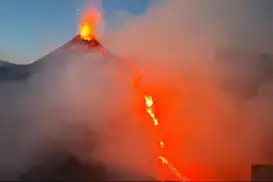
Mount Etna, Europe’s most active volcano, erupted on Sunday, sending towering columns of volcanic ash high into the sky and causing major disruptions to air travel across eastern Sicily.
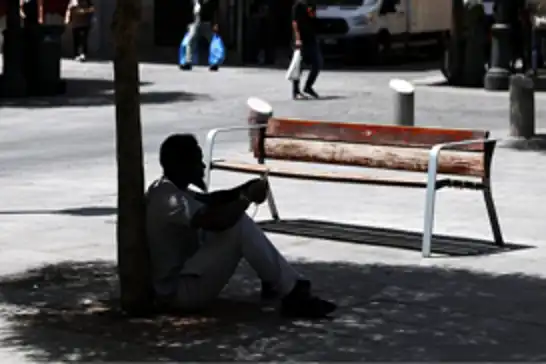
The death toll from a prolonged and intense heat wave affecting the eastern United States has risen to at least 25, while nearly 156 million people across the eastern two-thirds of the country remain under heat advisories, excessive heat warnings, or other weather alerts, according to U.S. officials.