Mount Etna sends massive ash cloud over Sicily, causing travel chaos
 13 oC
13 oC 
Güneşli

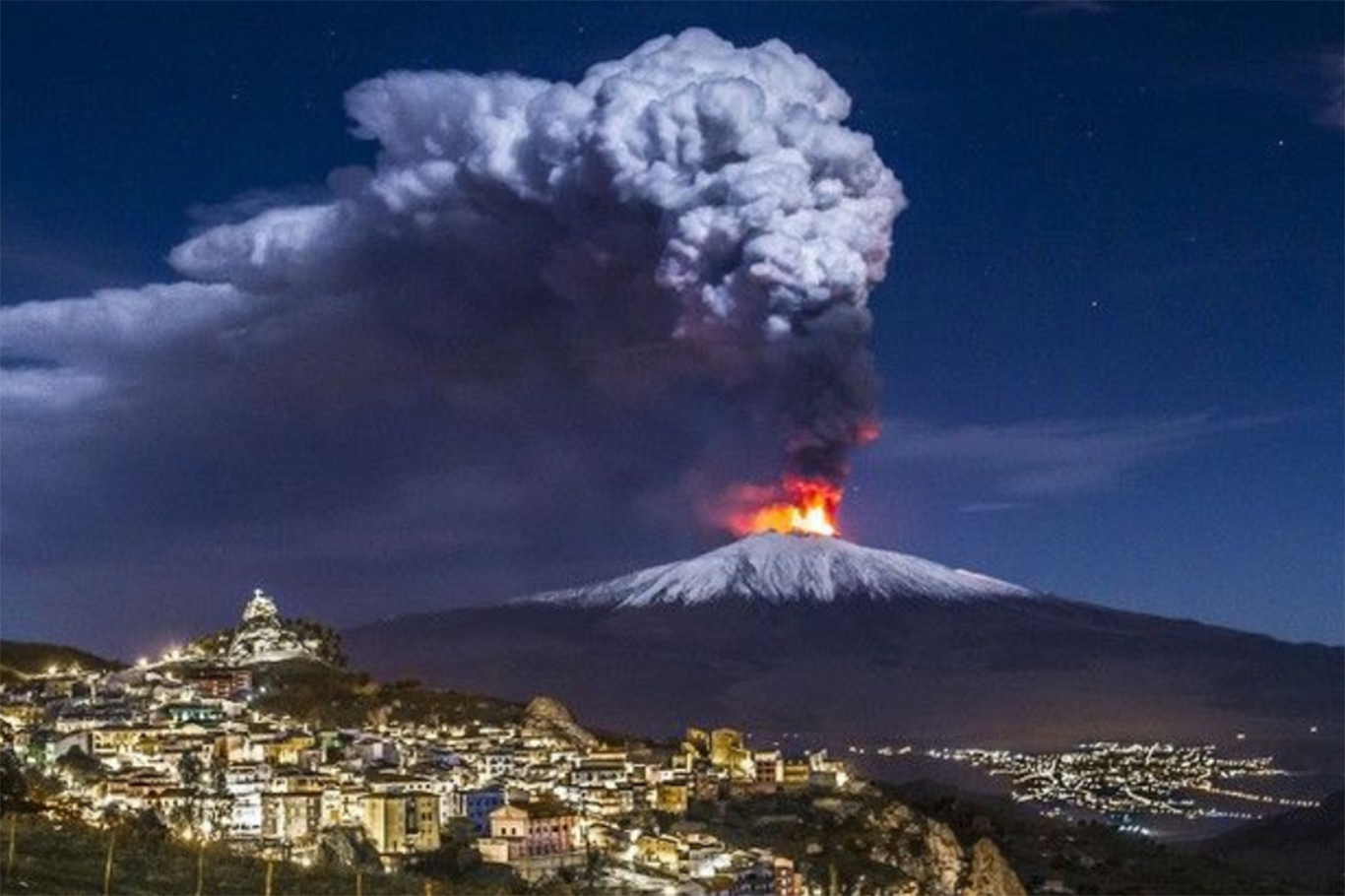
Mount Etna, Europe’s most active volcano, erupted on Sunday, sending towering columns of volcanic ash high into the sky and causing major disruptions to air travel across eastern Sicily.
The eruption prompted authorities to suspend incoming flights at Catania–Fontanarossa Airport, Sicily’s busiest airport, as volcanic ash drifted across the region and posed a potential hazard to aircraft operations. Airport officials implemented emergency procedures while aviation authorities closely monitored the movement of the ash cloud.
Italian carrier ITA Airways announced that numerous flights to and from Catania had been cancelled, delayed, or rescheduled due to the eruption. Other airlines also reported disruptions as passengers faced travel delays during the peak summer tourism season.
According to local media reports, volcanic activity intensified during the morning hours, with ash emissions beginning shortly before 8:00 a.m. local time and growing significantly stronger by around 9:00 a.m. Images and videos circulating on social media showed dense plumes of ash rising above the volcano and drifting eastward over parts of Sicily.
Italian volcanologists monitoring the eruption reported increased activity from one of Etna’s summit craters, accompanied by ash emissions, volcanic tremors, and lava activity. Experts said seismic instruments detected a sharp rise in volcanic tremor levels in the hours leading up to the eruption, indicating a significant increase in underground magma movement.
Authorities stressed that there was no immediate threat to nearby population centers, although residents in several communities reported ashfall on roads, vehicles, and buildings. Municipal crews were deployed to monitor conditions and prepare for cleanup operations if ash accumulation increased.
The Italian National Institute of Geophysics and Volcanology continued to monitor the volcano throughout the day and maintained heightened alert levels for aviation authorities. Scientists warned that volcanic activity could fluctuate in the coming hours and days, depending on developments within the volcano's magma system.
Emergency management officials advised residents and visitors to avoid areas near the summit and to follow instructions issued by local authorities. Tour operators also suspended some excursions to higher elevations around the volcano as a precautionary measure.
Mount Etna, which rises more than 3,300 meters above sea level on Sicily’s eastern coast, experiences frequent eruptions and remains one of the most closely monitored volcanoes in the world. While most eruptions cause limited damage, ash clouds can severely affect air traffic and local infrastructure.
The latest eruption comes during a particularly active period for the volcano. Volcanologists have recorded multiple episodes of increased activity over the past year, including lava fountains, ash emissions, and strombolian eruptions that have periodically disrupted air travel across southern Italy.
As monitoring efforts continue, aviation authorities and emergency officials remain on alert for further developments, while airlines work to accommodate thousands of passengers affected by the eruption-related disruptions. (ILKHA)
LEGAL WARNING: All rights of the published news, photos and videos are reserved by İlke Haber Ajansı Basın Yayın San. Trade A.Ş. Under no circumstances can all or part of the news, photos and videos be used without a written contract or subscription.

Serbian President Aleksandar Vučić resigned Sunday, stepping down seven months before the scheduled end of his second and final presidential term as he prepares to contest the country’s Oct. 25 snap parliamentary elections and seek the post of prime minister.

Iran’s Islamic Revolution Guards Corps (IRGC) Navy said Sunday it had seized a second U.S. military unmanned underwater vehicle in the Strait of Hormuz, accusing Washington of conducting intelligence and surveillance activities in the strategic waterway.
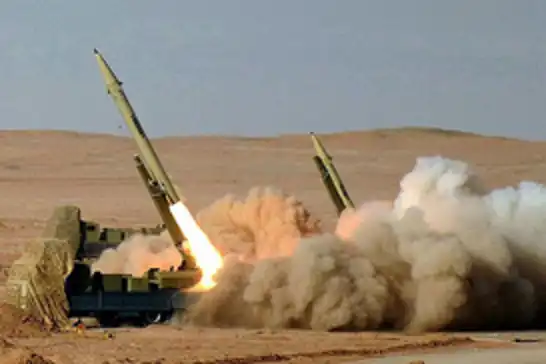
Repeated Iranian missile and drone strikes have exposed the growing vulnerability of the sprawling U.S. military presence across the Middle East, damaging hundreds of buildings and structures and raising questions in Washington over whether the region’s network of American bases remains worth the cost and risk.

At least 12 people were killed and dozens remained missing after a boat capsized on Lake Kivu in eastern Democratic Republic of the Congo, local media reported Sunday.