UN warns of deteriorating humanitarian crisis in Sudan’s Kordofan and Darfur regions
 13 oC
13 oC 
Güneşli

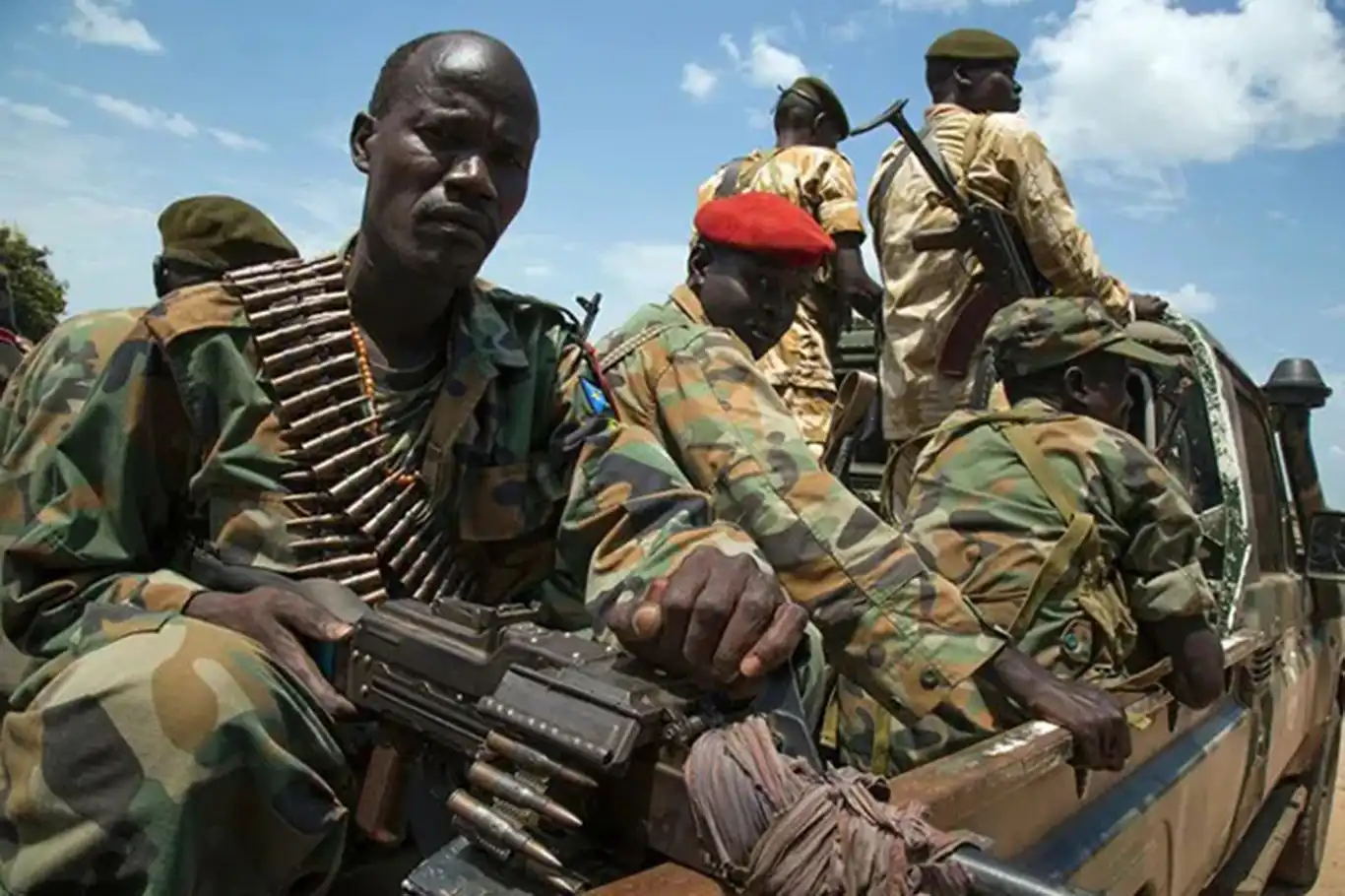
The humanitarian situation across Sudan’s Kordofan region is rapidly worsening as escalating hostilities expose civilians to mounting risks, the UN Office for the Coordination of Humanitarian Affairs (OCHA) has warned.
In a grave incident highlighting the growing dangers faced by civilians and medical workers, a drone strike reportedly hit a hospital in the town of Dilling in South Kordofan State on Sunday. According to preliminary information from the UN Human Rights Office, at least six people were killed and 12 others injured in the attack. Reports indicate that medical personnel were among those wounded.
OCHA strongly condemned the strike, stressing that attacks on hospitals and health workers constitute serious violations of international humanitarian law. The agency reiterated that medical facilities and civilians must be protected at all times and called for those responsible to be held accountable.
Violence has also intensified in and around Kadugli, the capital of South Kordofan State. Artillery shelling was reported east of the city on Sunday, further endangering civilians already living under highly insecure conditions.
The deteriorating security situation has triggered new waves of displacement. The International Organization for Migration (IOM) estimates that more than 1,700 people were displaced between Thursday and Saturday from several towns in South Kordofan, as families fled fighting in search of safety.
In neighboring North Kordofan State, insecurity remains acute, including in the state capital, El Obeid, where additional attacks have been reported. OCHA warned that continued violence in both states is severely constraining humanitarian access and heightening protection risks for civilians.
Despite the insecurity, UN agencies and humanitarian partners say they are continuing efforts to deliver life-saving assistance wherever possible. In South Kordofan’s Abu Jubeihah locality, the World Health Organization, working with national authorities, is conducting a cholera vaccination campaign. OCHA emphasized that sustained humanitarian access and guaranteed security are essential for the success of such critical health interventions.
Meanwhile, in North Darfur State, displacement from the embattled city of El Fasher into Tawila continues to rise. Since late October, more than 25,000 people have been registered as newly arrived in Tawila after fleeing along insecure routes where they faced extreme protection risks.
Despite severe access challenges and logistical constraints, the World Food Programme (WFP) reported that it assisted approximately half a million people in Tawila last month. Across the wider Darfur region, WFP has consistently reached around 2 million people each month, with roughly half of them located in North Darfur, including areas surrounding El Fasher.
Once again, OCHA urged all parties to the conflict to respect international humanitarian law, protect civilians and civilian infrastructure, and ensure rapid, safe and unhindered humanitarian access across Sudan so that aid can reach people in need wherever they are. (ILKHA)
LEGAL WARNING: All rights of the published news, photos and videos are reserved by İlke Haber Ajansı Basın Yayın San. Trade A.Ş. Under no circumstances can all or part of the news, photos and videos be used without a written contract or subscription.
The Director of UNRWA Affairs in the West Bank, Roland Friedrich, has warned of an escalating humanitarian crisis in the northern West Bank following a new Israeli demolition order targeting Nur Shams refugee camp.
Israeli regime forces resumed artillery bombardment and air raids on several eastern Gaza neighborhoods despite the ceasefire agreement that took effect on Oct. 10.
Bihar Chief Minister Nitish Kumar is facing mounting criticism and public outrage after an incident at an official government ceremony in which he removed the hijab of a Muslim woman doctor, an act widely condemned as a violation of religious freedom, personal dignity, and constitutional rights.
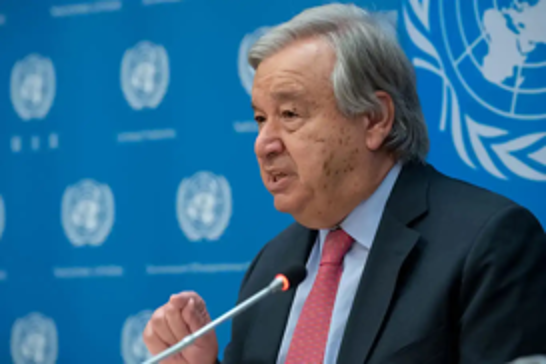
United Nations Secretary-General Antonio Guterres has called for increased international support for countries hosting refugees, stressing that low- and middle-income nations shoulder a disproportionate share of the global refugee burden.