U.S. House rejects Democratic efforts to curb Trump’s military actions against Venezuela
 13 oC
13 oC 
Güneşli

Two Democratic-led resolutions aimed at restricting the Trump administration’s military actions against Venezuela were narrowly defeated on Wednesday in the Republican-controlled U.S. House of Representatives.
One of the measures sought to bar the White House from engaging in hostilities against any presidentially designated terrorist group in the Western Hemisphere without prior congressional approval. The resolution failed by a vote of 210–216, with two Republicans breaking ranks to support it, while two Democrats voted against the measure.
A second resolution would have required President Donald Trump to withdraw U.S. armed forces from hostilities in or against Venezuela unless Congress explicitly authorized such action. That proposal was defeated by a similarly narrow margin of 211–213. Three Republicans, including Representative Marjorie Taylor Greene, joined all but one Democrat in voting in favor.
Speaking on the House floor, Representative Jim McGovern, the ranking member of the House Rules Committee, strongly criticized the administration’s approach. “I think it’s immoral, not just a strategic failure, but a moral failure, that we have a president beating the drums of war without so much as a vote from the House of Representatives,” McGovern said. “This is not ‘America First.’”
The votes follow similar attempts by Democrats in the U.S. Senate earlier this year to invoke the War Powers Resolution and rein in the administration’s actions, which were also unsuccessful.
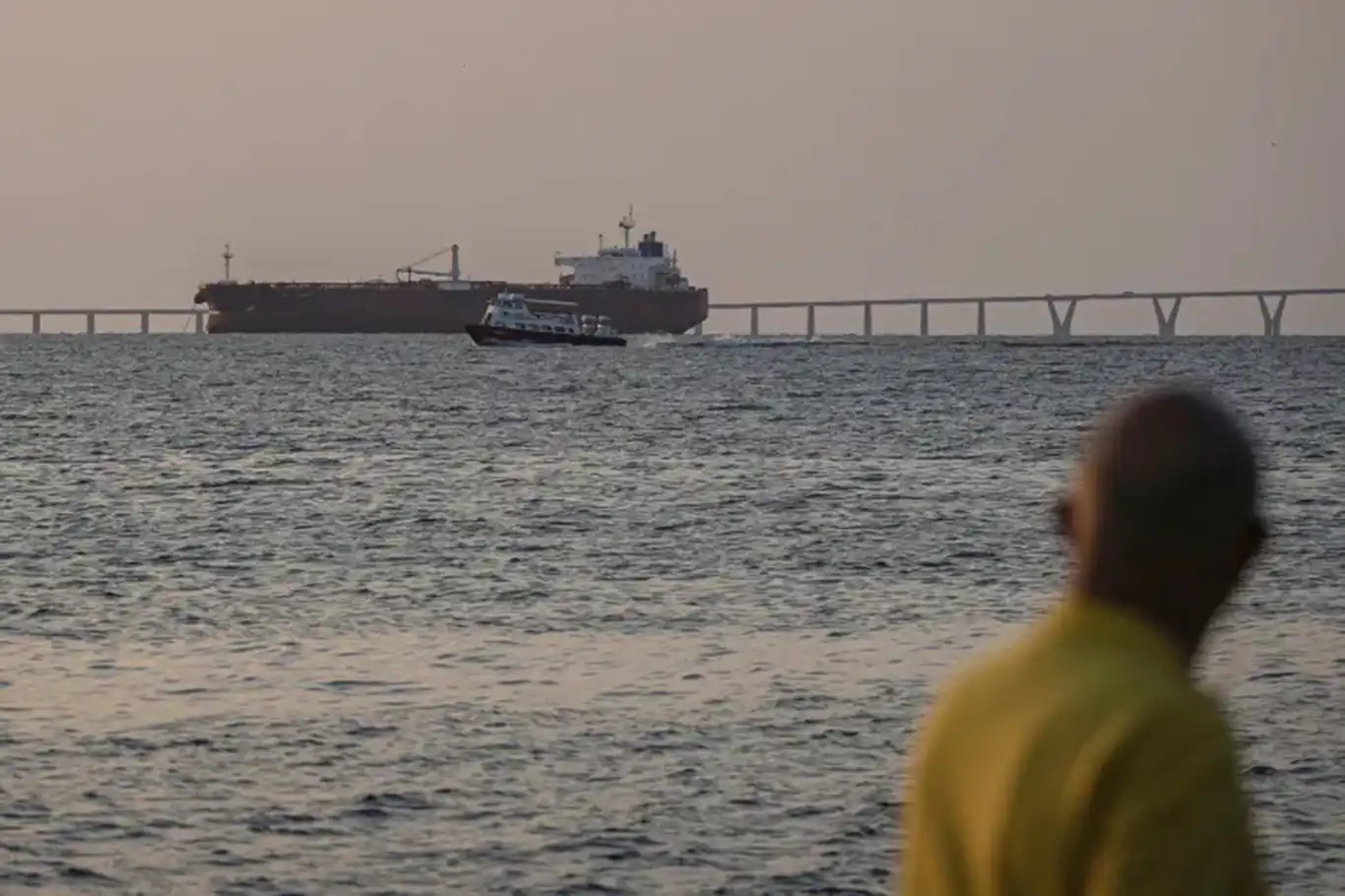
Since early September, U.S. forces have sunk at least 25 vessels accused of transporting drugs in the Caribbean and eastern Pacific, resulting in the deaths of at least 95 people aboard, according to available figures. For nearly four months, the United States has maintained a significant military presence in the Caribbean, much of it off Venezuela’s coast. Washington has said the deployment is part of counter-narcotics operations, a claim the Venezuelan government has rejected, describing it as a pretext for attempts at regime change in Caracas.
Tensions escalated further on Tuesday when President Trump ordered a total blockade of all sanctioned oil tankers entering or leaving Venezuela, intensifying a months-long pressure campaign against Venezuelan President Nicolas Maduro. Trump has also repeatedly stated in recent weeks that U.S. military land strikes targeting alleged drug traffickers in the Caribbean would begin “very soon.”
The administration’s actions have drawn growing scrutiny from critics across party lines, who have questioned whether counter-narcotics efforts are the sole motivation behind the military operations and whether the strikes comply with U.S. and international law.
Public opinion appears largely opposed to the administration’s approach. A Quinnipiac University poll released on Wednesday found that 63 percent of U.S. adults oppose the Trump administration’s military attacks on Venezuela, while 25 percent expressed support. (ILKHA)
LEGAL WARNING: All rights of the published news, photos and videos are reserved by İlke Haber Ajansı Basın Yayın San. Trade A.Ş. Under no circumstances can all or part of the news, photos and videos be used without a written contract or subscription.
Russia struck the headquarters of Ukraine's largest mobile operator, Kyivstar, in Kyiv on Sunday, as Moscow intensified attacks on data centers and communications infrastructure across the country, Ukrainian officials and the company said.

The Muslim Brotherhood on Tuesday condemned the storming of the courtyards of Al-Aqsa Mosque in occupied East Jerusalem by hundreds of Israeli settlers, accusing them of violating the sanctity of the holy site and provoking Muslims.
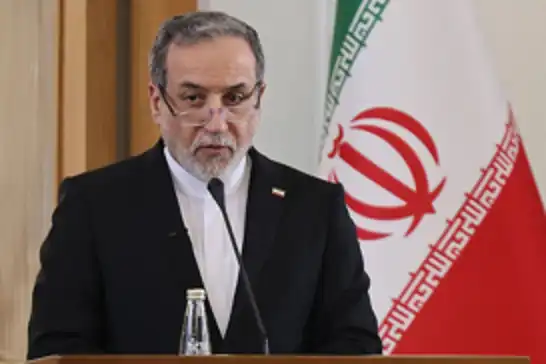
Iranian Foreign Minister Abbas Araghchi said Monday that the Strait of Hormuz would be reopened only after the United States meets Tehran's conditions, as diplomatic efforts intensified through Qatari and Pakistani mediators to end the months-long conflict.

Afghanistan has inaugurated the first phase of the fourth section of the strategically important Herat-Khaf railway, marking another step toward strengthening the country's regional transport and trade links.