US imposes four-year limit on foreign student visas
 13 oC
13 oC 
Güneşli

The United States has announced sweeping new restrictions on foreign student visas, introducing a four-year limit on how long most international students can remain in the United States unless they receive special authorization from the federal government.
The new regulations, finalized by the Department of Homeland Security (DHS), are set to take effect in September and mark one of the most significant changes to the U.S. student visa system in decades.
According to DHS, the policy is designed to "combat rampant visa abuse" and strengthen national security by requiring regular government review of international students' immigration status.
Under the new rules, students holding F-1 academic visas and J-1 exchange visitor visas will no longer be admitted under the long-standing "duration of status" system, which previously allowed them to remain in the United States until they completed their academic programs. Instead, their stay will generally be limited to four years, after which they must obtain federal approval to continue their studies.
The regulations also significantly reduce the authority of universities and colleges over international student status. Until now, higher education institutions were able to extend students' visas based on academic progress. Going forward, such extensions will require federal government approval.
In addition, the administration will tighten rules governing transfers between educational institutions and changes to academic programs, limiting the flexibility international students have traditionally enjoyed.
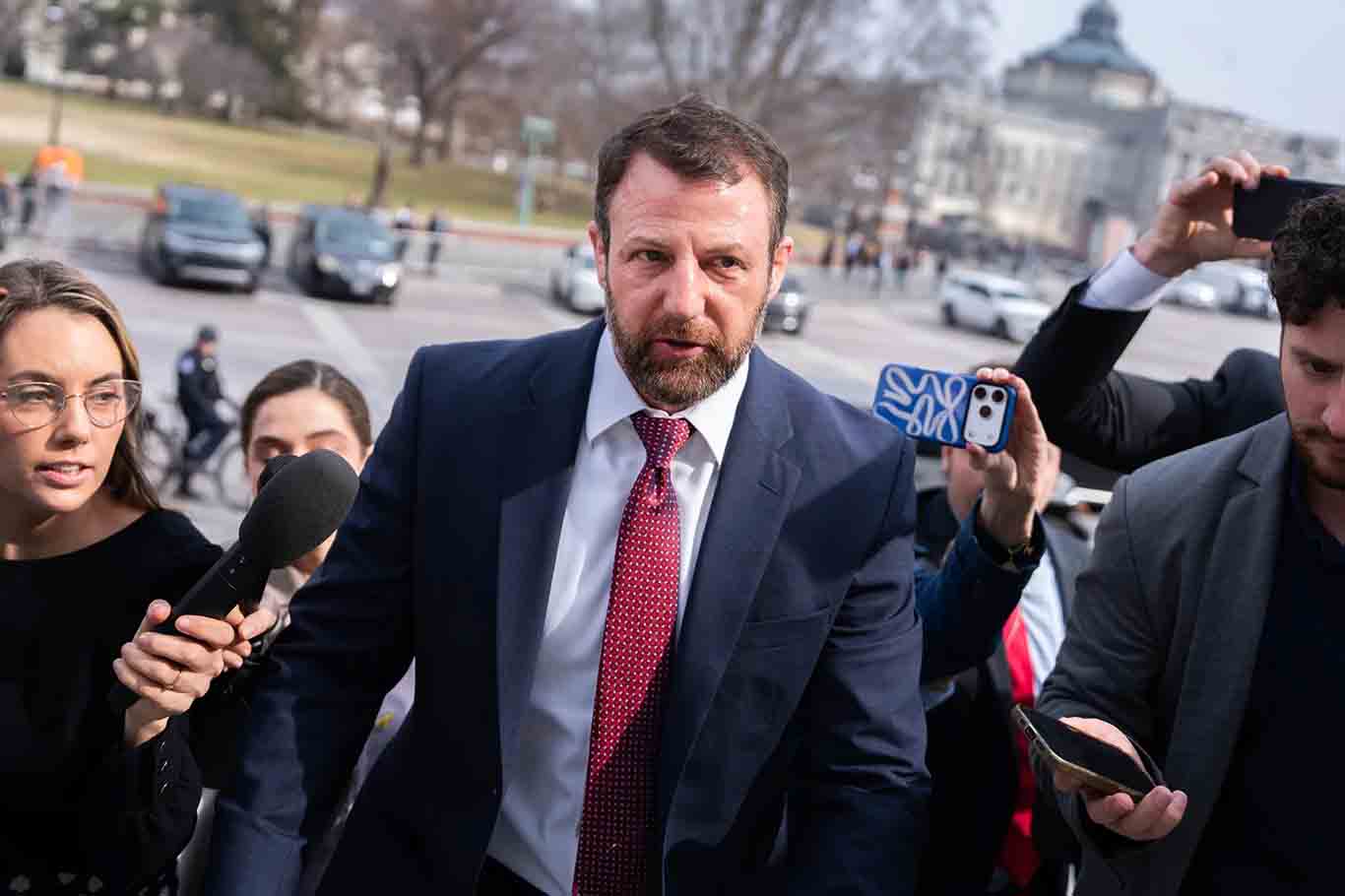
Homeland Security Secretary Markwayne Mullin defended the changes, arguing that the existing system had been exploited for years.
"For decades, foreign students have been admitted into the U.S. indefinitely, allowing thousands to abuse our immigration system by perpetually enrolling in courses to avoid having to leave the U.S.," Mullin said.
The new regulations also shorten the post-graduation grace period for international students. Graduates will now have only 30 days to leave the United States or transition to another visa category, down from the previous 60-day period.
The policy is expected to have a significant impact on graduate students, particularly those pursuing master's and doctoral degrees. While most undergraduate programs in the United States are completed within four years, doctoral and research-intensive graduate programs often require substantially longer due to research obligations, dissertation work, publication requirements, funding delays, or personal circumstances.
International students make up a large share of graduate enrollments in science, technology, engineering, and mathematics (STEM) fields, where extended research timelines are common.
The student visa restrictions are part of a broader immigration agenda pursued by the Trump administration aimed at reducing the number of foreign students studying in the United States.
In recent months, the administration has also sought to limit international student enrollment at certain elite universities and has moved to revoke the visas of students who have publicly criticized U.S. foreign policy, further signaling a tougher approach toward foreign nationals studying in the country.
The new regulations are expected to reshape the experience of hundreds of thousands of international students and could have far-reaching implications for U.S. universities that rely heavily on foreign enrollment, particularly in graduate and research programs. (ILKHA)
LEGAL WARNING: All rights of the published news, photos and videos are reserved by İlke Haber Ajansı Basın Yayın San. Trade A.Ş. Under no circumstances can all or part of the news, photos and videos be used without a written contract or subscription.
An exceptionally intense and early summer heat wave that swept across Europe in late June has been linked to more than 10,000 excess deaths, according to newly emerging mortality data, raising fresh concerns over the growing human toll of climate-driven extreme weather.

The Board of Trustees of the Al-Aqsa Mosque has warned of a dangerous and unprecedented escalation in Israeli excavation work around the holy site, accusing Israeli authorities of pursuing policies aimed at Judaizing Jerusalem, erasing its Arab and Islamic identity, and altering the city's historical narrative.

The U.S. Centers for Disease Control and Prevention (CDC) has issued a public health warning over a Cyclospora outbreak linked to shredded iceberg lettuce served at Taco Bell restaurants in five U.S. states, urging consumers to avoid the product and seek medical attention if they develop symptoms.

Israeli occupation forces (IOF) carried out a series of coordinated military raids across several cities, towns, and refugee camps in the occupied West Bank early Friday, arresting Palestinians, raiding homes, and firing tear gas near a major hospital amid a continuing escalation in the occupied territory.