Afghanistan expands carpet exports as sector continues to drive employment
 13 oC
13 oC 
Güneşli

Nearly one million Afghans are employed directly or indirectly in the country's carpet industry, underscoring the sector's continued importance to the national economy, according to the Office of the Deputy Prime Minister for Economic Affairs.
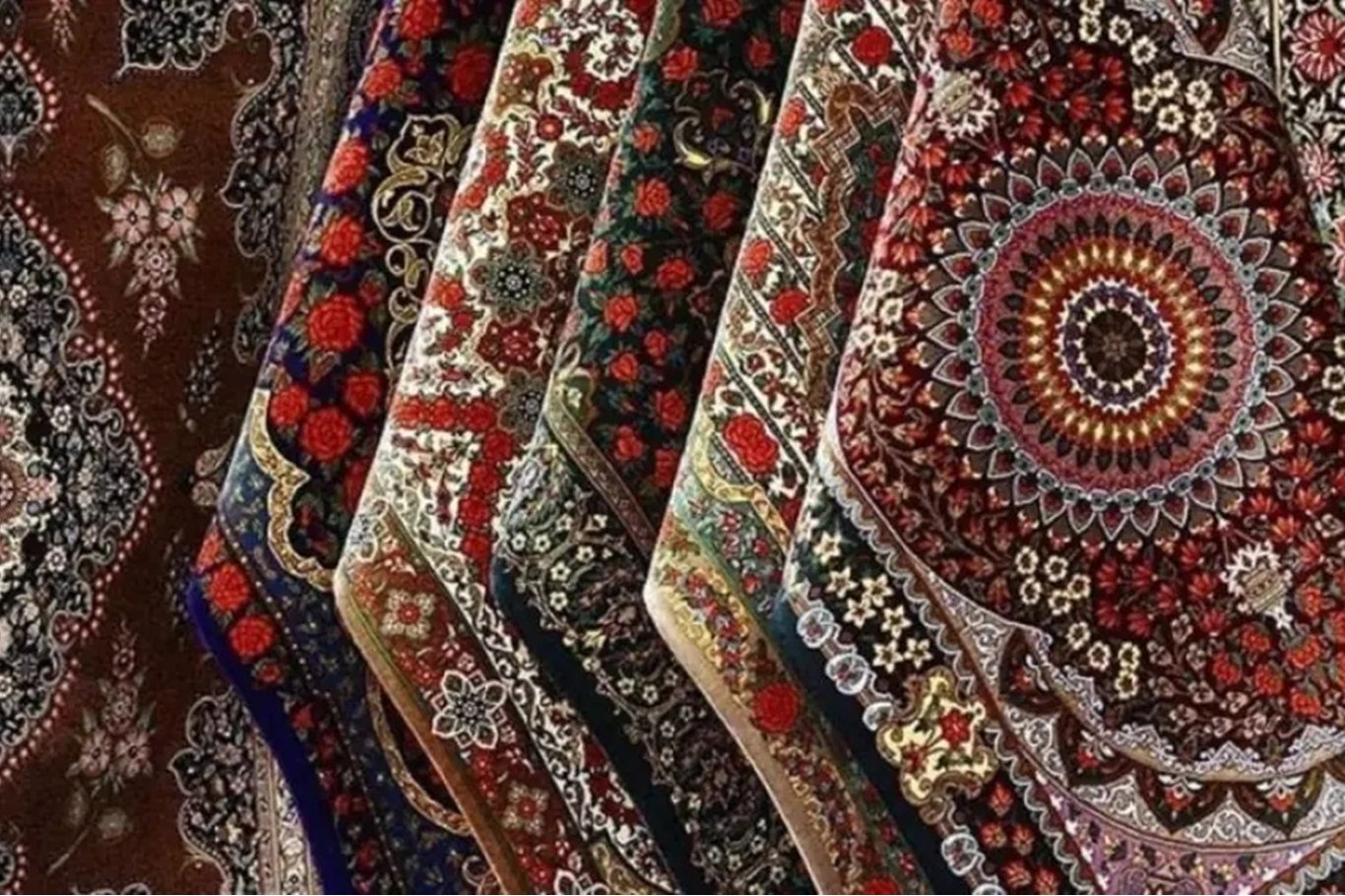
The office said Afghanistan has exported more than 760,000 square meters of handwoven carpets so far this year, with Türkiye, several European countries, and Arab states among the leading export destinations.
Officials said the carpet industry remains one of Afghanistan's largest sources of employment and foreign exchange earnings. While only a limited portion of carpet production is sold domestically, the majority is exported to international markets.
The administration also stated that Afghan carpets are increasingly being marketed and exported under Afghanistan's own national brand, rather than being re-exported through neighboring countries, a practice that has historically reduced the visibility of Afghan products in global markets. However, these figures and claims have not been independently verified.
According to the statement, the global reputation of Afghan carpets is built on centuries of traditional craftsmanship, handmade weaving techniques, distinctive geometric patterns, and the use of high-quality wool, making them one of the country's most recognizable export products.
Carpet weaving remains one of Afghanistan's oldest traditional industries and continues to provide livelihoods for hundreds of thousands of families, particularly in the country's northern, western, and central provinces. Beyond weavers themselves, the industry supports employment across a broad supply chain, including wool production, spinning, dyeing, washing, finishing, packaging, transportation, and export services.
Afghan handwoven carpets have long been regarded among the country's most valuable non-agricultural exports, generating foreign currency revenues while sustaining rural communities where employment opportunities are often limited.
Despite its longstanding reputation and export potential, the sector continues to face a number of challenges that have constrained growth. Producers and exporters have cited transportation bottlenecks, limited access to international markets, banking restrictions, elevated shipping costs, and broader economic pressures as key obstacles to expanding exports.
International organizations have likewise pointed to the difficult conditions faced by many carpet weavers, noting that a large proportion work in low-income households with limited access to financing, modern production facilities, and international marketing networks.
Industry representatives have argued that improving trade logistics, expanding market access, easing financial constraints, and strengthening export infrastructure could significantly boost Afghanistan's carpet exports while creating additional employment opportunities across the country's traditional handicrafts sector.
As Afghanistan seeks to expand its non-agricultural exports, the carpet industry continues to play a pivotal role in supporting economic activity, preserving centuries-old craftsmanship, and providing income for hundreds of thousands of households across the country. (ILKHA)
LEGAL WARNING: All rights of the published news, photos and videos are reserved by İlke Haber Ajansı Basın Yayın San. Trade A.Ş. Under no circumstances can all or part of the news, photos and videos be used without a written contract or subscription.

Türkiye's Non-Domestic Producer Price Index (ND-PPI) rose 30.33% year-on-year in June 2026, while increasing 0.46% month-on-month, according to data released by the Turkish Statistical Institute (TurkStat) on Monday.

Türkiye's Agricultural Input Price Index (Agricultural-IPI) increased by 36.65% year-on-year in May 2026, while recording a 0.44% monthly rise, according to figures released by the Turkish Statistical Institute (TurkStat) on Monday.
International credit rating agency Fitch Ratings has affirmed Türkiye's long-term sovereign credit rating at "BB-" with a stable outlook, citing the country's relatively low public debt and resilient banking sector despite ongoing economic challenges.