Europe enters winter heating season with lower gas reserves
 13 oC
13 oC 
Güneşli

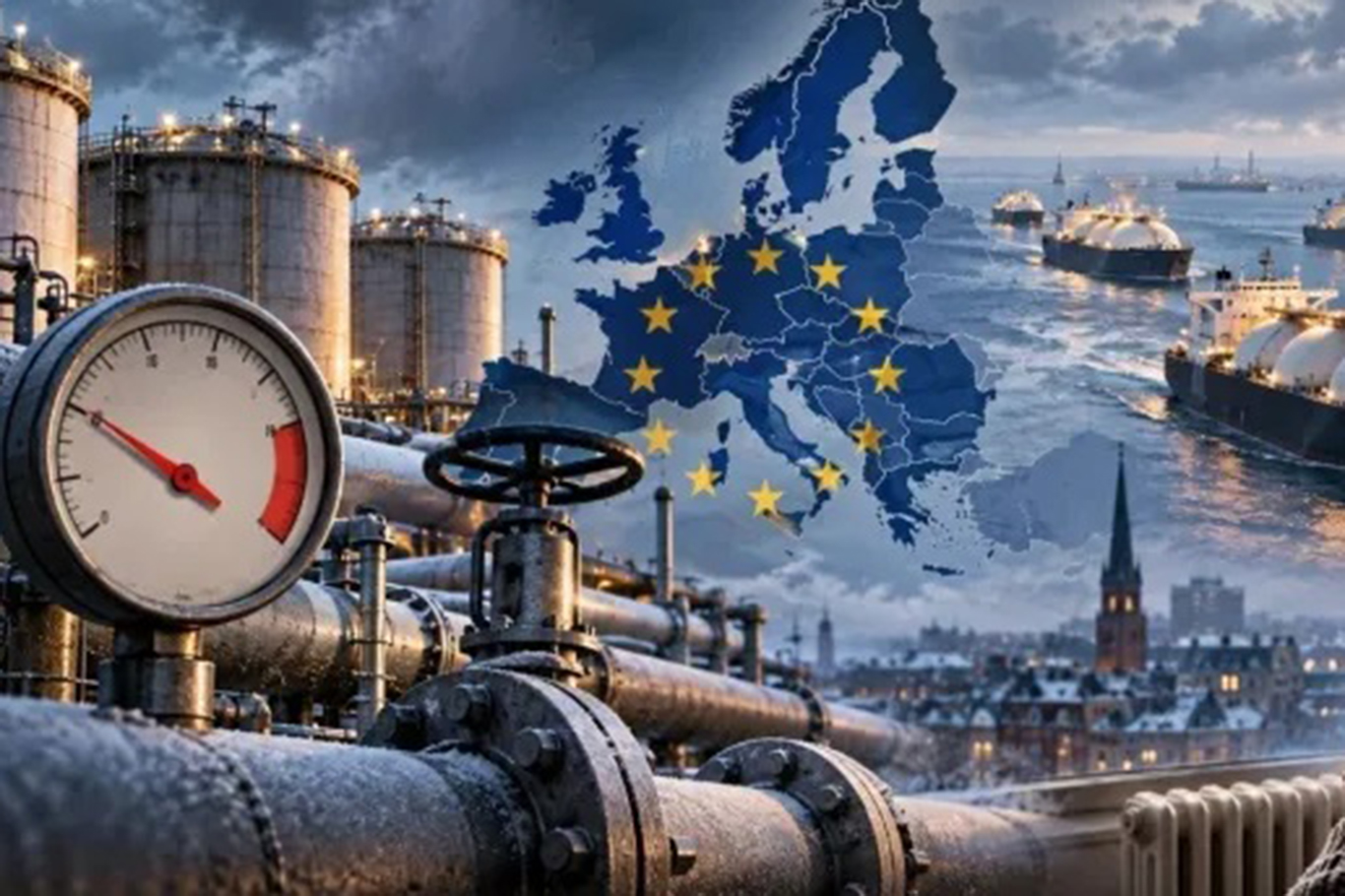
Europe is entering the winter heating season with significantly lower natural gas reserves than in previous years, raising concerns over the region’s ability to meet rising demand as temperatures fall.
EU gas storage facilities were about 71.3% full at the end of September, compared with 82.5% at the same point last year and 94.2% in 2024, according to a report by S&P Global Energy.
The lower storage levels leave Europe with a thinner buffer against supply disruptions and periods of increased consumption during the coming winter.
Gas demand typically rises during colder months as households and businesses increase heating use. Lower starting reserves could make it more challenging to replenish supplies if cold weather drives consumption higher or unexpected disruptions affect imports.
The situation puts renewed focus on Europe’s efforts to secure sufficient gas supplies and maintain energy-market stability through the winter. Storage levels, weather conditions, import availability and demand will be key factors in determining whether the region can meet its heating needs in the months ahead. (ILKHA)
LEGAL WARNING: All rights of the published news, photos and videos are reserved by İlke Haber Ajansı Basın Yayın San. Trade A.Ş. Under no circumstances can all or part of the news, photos and videos be used without a written contract or subscription.

Euro zone inflation accelerated to 3.8% in September from 3.2% in August, driven by a sharp rise in energy prices, preliminary data from the European Union's statistics agency Eurostat showed on Friday.
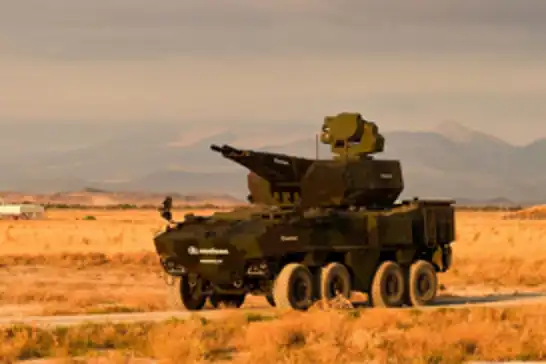
Türkiye’s defense company ASELSAN is expanding its international partnerships through new agreements covering air defense, reconnaissance, surveillance, radar and electronic warfare systems, with recent deals involving Poland and Azerbaijan.
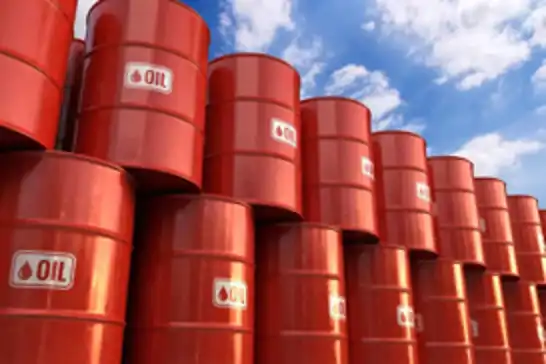
Brent crude prices climbed above the $100 mark as reports that negotiations between the United States and the Islamic Republic of Iran had reached a deadlock increased concerns over continued tensions and possible disruptions to global oil supplies.