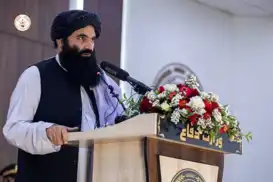
HÜDA PAR official urges Muslims to draw lessons from Saladin’s victory in Jerusalem
 13 oC
13 oC 
Güneşli

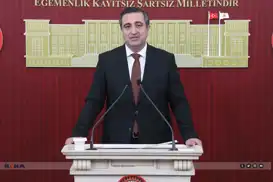
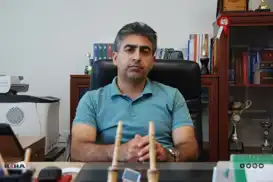
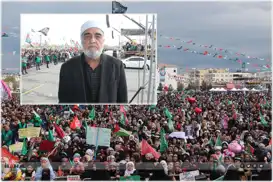
HÜDA PAR Deputy Chairman İshak Sağlam has called on Muslims to draw lessons from the liberation of Jerusalem by Saladin Ayyubi in 1187 and intensify efforts to end the occupation of Jerusalem and protect Masjid al-Aqsa.
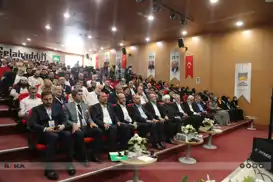
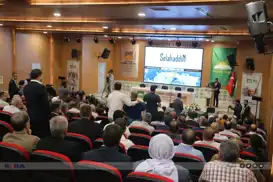
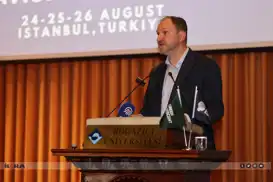
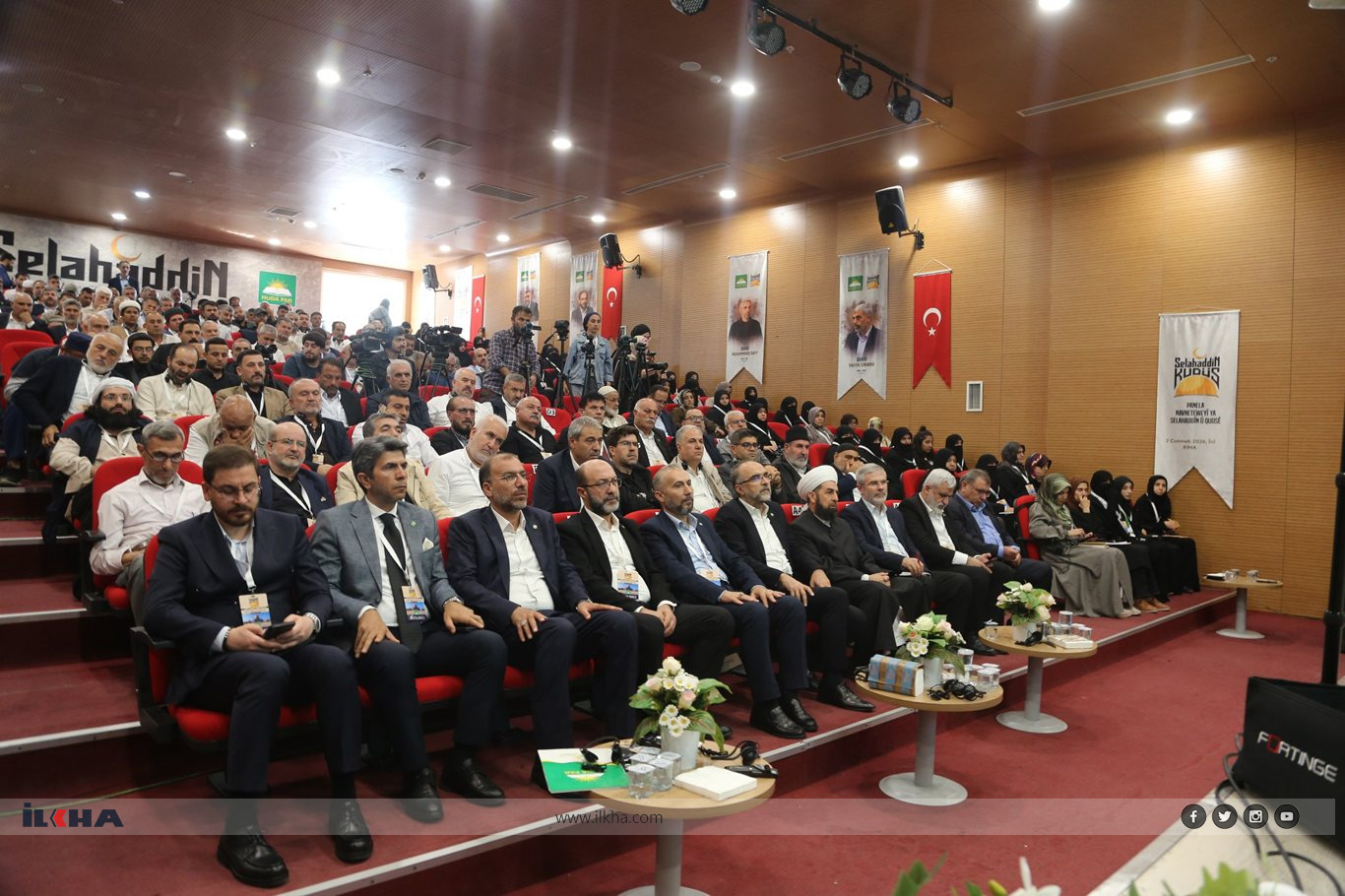
Speaking at the opening of the “International Saladin and Jerusalem Panel” organized by HÜDA PAR to mark the anniversary of the liberation of Jerusalem, Sağlam said the conquest of the city on Oct. 2, 1187, remained an important event in both Islamic and world history.
He said the liberation of Jerusalem after 88 years of Crusader rule under Salahuddin had continued to carry lessons for Muslims, particularly at a time when Jerusalem and Masjid al-Aqsa remain at the center of the Palestinian struggle.
“Why did Saladin liberate and conquer Jerusalem after 99 years of occupation?” Sağlam asked, stressing that the question has remained relevant throughout Islamic history.
He said the panel brought together three interconnected symbols: Jerusalem, home to Masjid al-Aqsa; Salahuddin, who liberated the city; and Şanlıurfa, historically known as Rıha or Edessa, whose liberation he described as a turning point in the struggle against the Crusader presence in the region.
‘The fall of Urfa paved the way for the fall of Jerusalem’
Sağlam recalled that Urfa was among the first major cities captured during the First Crusade and argued that its fall contributed to the subsequent capture of Jerusalem.
He also highlighted the role of Imad al-Din Zengi, who began the process of reversing Crusader gains by liberating Urfa in 1144.
“Until the liberation of Urfa, the Islamic armies were always in a passive position. They were always the side under attack,” Sağlam said.
“With the liberation of Urfa, the Islamic armies began a move toward victory, toward conquest, and toward liberating their lands from occupation,” he added.
Sağlam described the liberation of Urfa as a “gateway” to the eventual liberation of Jerusalem, arguing that the experience demonstrated the importance of political unity, strategic organization and a sustained commitment to the liberation of occupied lands.
‘Our aim is not simply to celebrate a conquest’
Sağlam said HÜDA PAR's objective was not merely to commemorate a historic victory once a year, but to examine the lessons of the past and consider how they could be applied to the present situation in Palestine.
“Our aim is that while Jerusalem is under occupation, Muslims should not remain silent and should seek remedies and solutions for its liberation from occupation,” he said.
He posed a series of questions about how Muslims could respond to the continuing situation in Jerusalem and how the methods associated with Salahuddin and the Zengid period could be adapted to contemporary circumstances.
“We will seek the ways and methods for this,” he said, adding that the issue should remain permanently on the agenda of the Muslim community.
Sağlam said the liberation of Urfa should serve as a reminder that historic changes can begin with developments in individual cities and communities.
He pledged that the issue of Jerusalem would continue to be raised until, in his words, Muslims could move from Şanlıurfa toward what he described as the “third conquest and victory” of Jerusalem, with God's permission.
‘The occupation of Al-Aqsa should keep the Ummah awake’
Sağlam also drew a historical parallel between the political fragmentation of the Muslim world during the period of the Crusader occupation and the divisions he sees in the Muslim world today.
He said the political and sociological conditions of the 11th and 12th centuries bore similarities to the situation facing Muslims today and asked how Saladin had succeeded in bringing divided Muslim forces together and directing their attention toward Jerusalem and Masjid al-Aqsa.
“We will continue these studies, insha’Allah, to research this and to carry the ways and methods to the present day,” he said.
Referring to Nur al-Din Mahmud Zengi, Sağlam recalled accounts that he did not laugh or smile while Jerusalem remained under Crusader control.
He said the continuing occupation of Masjid al-Aqsa should likewise remain a source of deep concern for Muslims.
“The fact that a mosque like Masjid al-Aqsa—the first qibla of the Muslims, the second mosque built on earth—is under occupation by the Zionists should keep the Ummah awake at night,” Sağlam said.
He urged Muslims to devote sustained attention to finding peaceful and effective ways to end the occupation and uphold the rights of Palestinians and the Islamic significance of Jerusalem.
“Our efforts will, insha’Allah, be studies to search for and find these ways and methods,” he said. (ILKHA)
LEGAL WARNING: All rights of the published news, photos and videos are reserved by İlke Haber Ajansı Basın Yayın San. Trade A.Ş. Under no circumstances can all or part of the news, photos and videos be used without a written contract or subscription.
An international panel examining Saladin Ayyubi’s legacy, the struggle over Jerusalem and the ongoing crisis in Gaza has begun in southeastern Türkiye’s Şanlıurfa province, bringing together scholars, religious figures and civil society representatives to discuss the defense of Al-Aqsa Mosque and the future of Palestine.
Türkiye and the United Kingdom have reaffirmed their goal of increasing bilateral trade to $40 billion, as Trade Minister Ömer Bolat and UK Secretary of State for Business and Trade Jonathan Reynolds held talks on expanding trade, investment and economic cooperation on the sidelines of the G20 Trade Ministers' Meeting in Milwaukee.

Two miners have been killed and two others injured in a mine collapse in western Türkiye, while rescue teams continued searching for three workers still trapped underground, officials said Thursday.