Oil prices drop sharply as Trump announces framework agreement with Iran
 13 oC
13 oC 
Güneşli

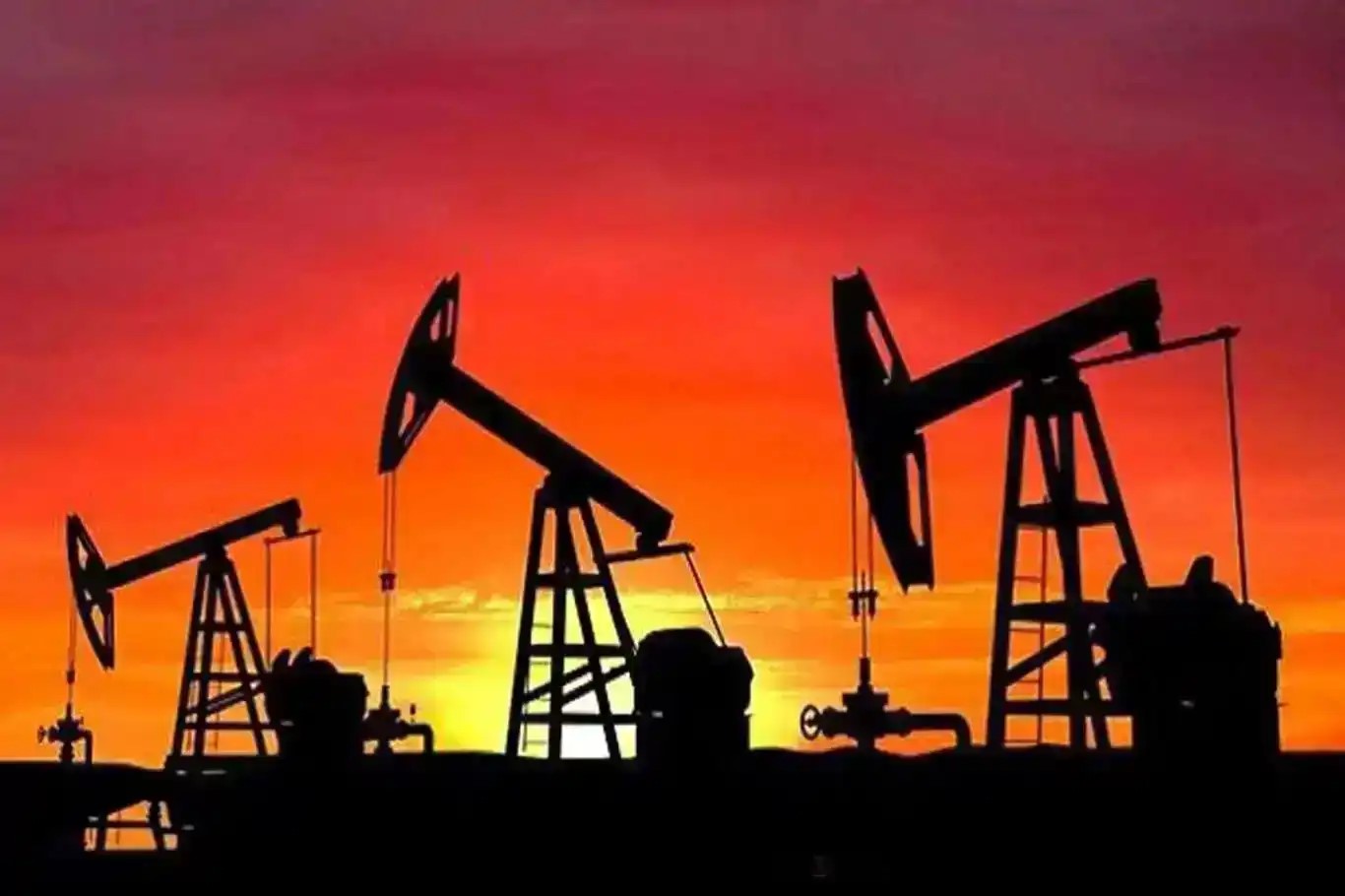
Oil prices fell significantly on Friday following optimistic comments from U.S. President Donald Trump, who stated that Washington has reached a framework agreement with Iran that could soon bring an end to the ongoing Middle East conflict.
U.S. crude oil futures for July delivery dropped 1.61% to $86.30 per barrel, while August futures for the international benchmark Brent lost 1.75% to $88.80 per barrel. Prices have eased further in early trading today, with some reports showing WTI dipping near or below the $86 mark amid growing market optimism.
Speaking from the Oval Office on Thursday, President Trump expressed confidence that a formal agreement would be signed “over the next few days.” He has reiterated similar timelines multiple times during the conflict. Trump also emphasized that the Strait of Hormuz — a critical chokepoint for global oil shipments — would reopen once the deal is finalized, potentially restoring full tanker traffic and easing supply concerns.
The announcement comes after months of heightened tensions, including U.S. naval actions in the region, exchanges of strikes between Iran and Israel, and disruptions that at times pushed Brent crude above $110 per barrel earlier this year. Recent diplomatic efforts have focused on a potential 60-day ceasefire framework involving the reopening of the Strait, sanctions relief discussions, and steps to address Iran’s nuclear program.
Market analysts note that renewed hope for de-escalation has triggered a relief rally in equities while weighing on energy prices. However, some caution remains, as previous rounds of talks have faced setbacks, and full implementation of any agreement could take time amid complex regional dynamics involving Israel, Hezbollah, and Gulf states.
“Trump’s comments have clearly shifted sentiment,” one energy trader remarked. “If the Strait reopens and Iranian oil returns more freely to the market, we could see further downside pressure on prices in the coming weeks.”
As negotiations continue, investors will be closely watching for confirmation of a signed deal, which could mark a significant turning point in stabilizing global energy markets after months of volatility driven by the conflict. (ILKHA)
LEGAL WARNING: All rights of the published news, photos and videos are reserved by İlke Haber Ajansı Basın Yayın San. Trade A.Ş. Under no circumstances can all or part of the news, photos and videos be used without a written contract or subscription.

Türkiye's export performance continued to show resilience in April 2026, with export prices and volumes posting annual increases, while import volumes declined notably, according to the latest foreign trade indices released by the Turkish Statistical Institute (TurkStat).
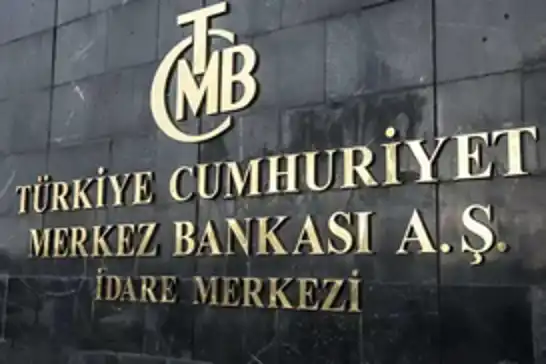
The Monetary Policy Committee (MPC) of the Central Bank of the Republic of Türkiye (CBRT) decided on Thursday to maintain its key policy rate at 37 percent, leaving borrowing costs unchanged as it continues its tight monetary policy stance to combat inflation.
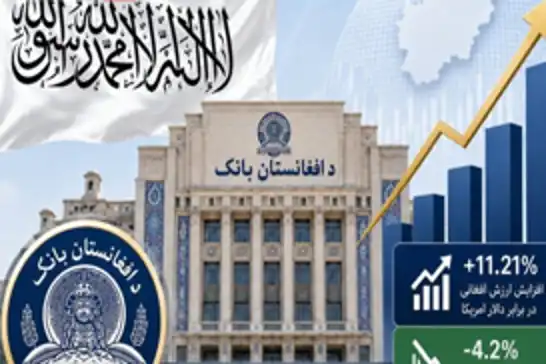
Afghanistan’s economy demonstrated notable resilience during the 2024–25 financial period, with official indicators showing an 11.21% appreciation of the national currency against the U.S. dollar alongside a 4.2% decline in consumer prices