Pezeshkian: Iran determined to defeat economic war through national unity
 13 oC
13 oC 
Güneşli

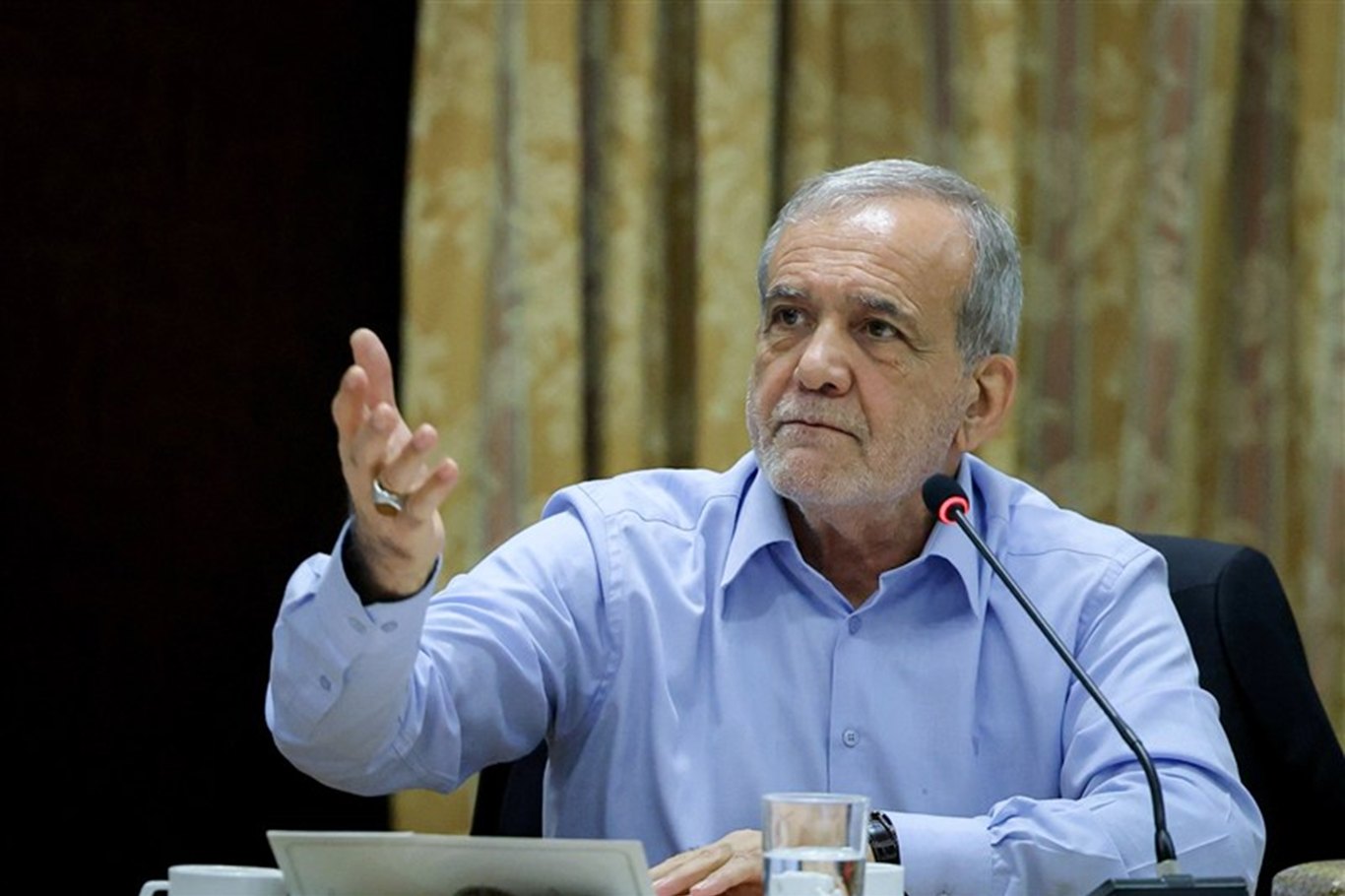
Iranian President Masoud Pezeshkian has reaffirmed Tehran’s determination to withstand mounting economic pressure and sanctions, saying the same national unity and resolve that helped the country endure recent US-Israeli military aggression will enable Iran to overcome the economic campaign against it.
Speaking at a meeting with commanders of the Law Enforcement Command of the Islamic Republic of Iran (FARAJA) on Thursday, Pezeshkian praised police personnel for their continuous efforts to protect Iran’s security and sovereignty.
The president said Iran’s adversaries had sought to destabilize the country during the recent conflict by targeting the leadership, military commanders, security institutions and law enforcement centers. However, he said the resistance of Iran’s Armed Forces, the efforts of FARAJA and the support of the Iranian people thwarted those efforts.
Pezeshkian said the developments had changed how many countries view Iran, arguing that Tehran’s ability to withstand what he described as a massive attack had demonstrated the strength of the country’s institutions and people.
He also pointed to the intensifying economic pressure on Iran, saying sanctions and other measures had been aimed at preventing his administration from meeting the needs of the Iranian people.
“We are determined to serve the people with all our might and meet their needs,” Pezeshkian said.
The Iranian president described the economic campaign as a particularly serious challenge, saying it was less visible than a military confrontation but could impose a heavier burden on society.
“The economic war is less visible but far more difficult and heavier than a military war,” he said, according to Iranian media. He added that his government was determined to defeat the pressure and protect the livelihoods of the Iranian people.
Pezeshkian’s remarks came as Iran continues to confront intensified US sanctions and restrictions on trade and energy exports. Earlier this month, he said Tehran had adopted new measures to manage the country’s “special circumstances” and argued that adversaries had failed to achieve their objectives through economic pressure.
Iranian officials have increasingly emphasized economic resilience alongside national unity as the country faces severe external pressure. The government has also announced measures aimed at protecting essential supplies, supporting vulnerable groups and reducing pressure on energy consumption.
Pezeshkian stressed that Iran would not be intimidated by threats as long as the government retained the backing of its people.
He thanked FARAJA personnel for their role in maintaining security during the recent conflict and said the cooperation between the Iranian people, security forces and Armed Forces had demonstrated that attempts to destabilize the country would not easily succeed.
“We will not fear threats or enemies as long as we have the support of our people,” he said.
The president has repeatedly said that Iran does not seek war but will resist external pressure while remaining open to diplomacy. In a recent interview, he said Tehran was prepared to pursue a negotiated agreement with Washington, while maintaining that the war had been imposed on Iran. (ILKHA)
LEGAL WARNING: All rights of the published news, photos and videos are reserved by İlke Haber Ajansı Basın Yayın San. Trade A.Ş. Under no circumstances can all or part of the news, photos and videos be used without a written contract or subscription.

Türkiye's Gross National Income (GNI) rose 41.4% in 2025 to 62.29 trillion Turkish liras, driven primarily by non-financial corporations, official data showed on Thursday.

Türkiye's annual consumer inflation rose to 29.73% in September, while prices increased 1.84% from the previous month, data from the Turkish Statistical Institute (TÜİK) showed on Monday.

Europe is entering the winter heating season with significantly lower natural gas reserves than in previous years, raising concerns over the region’s ability to meet rising demand as temperatures fall.