Türkiye urges EU to safeguard Customs Union in 'Made in EU' policy
 13 oC

Güneşli

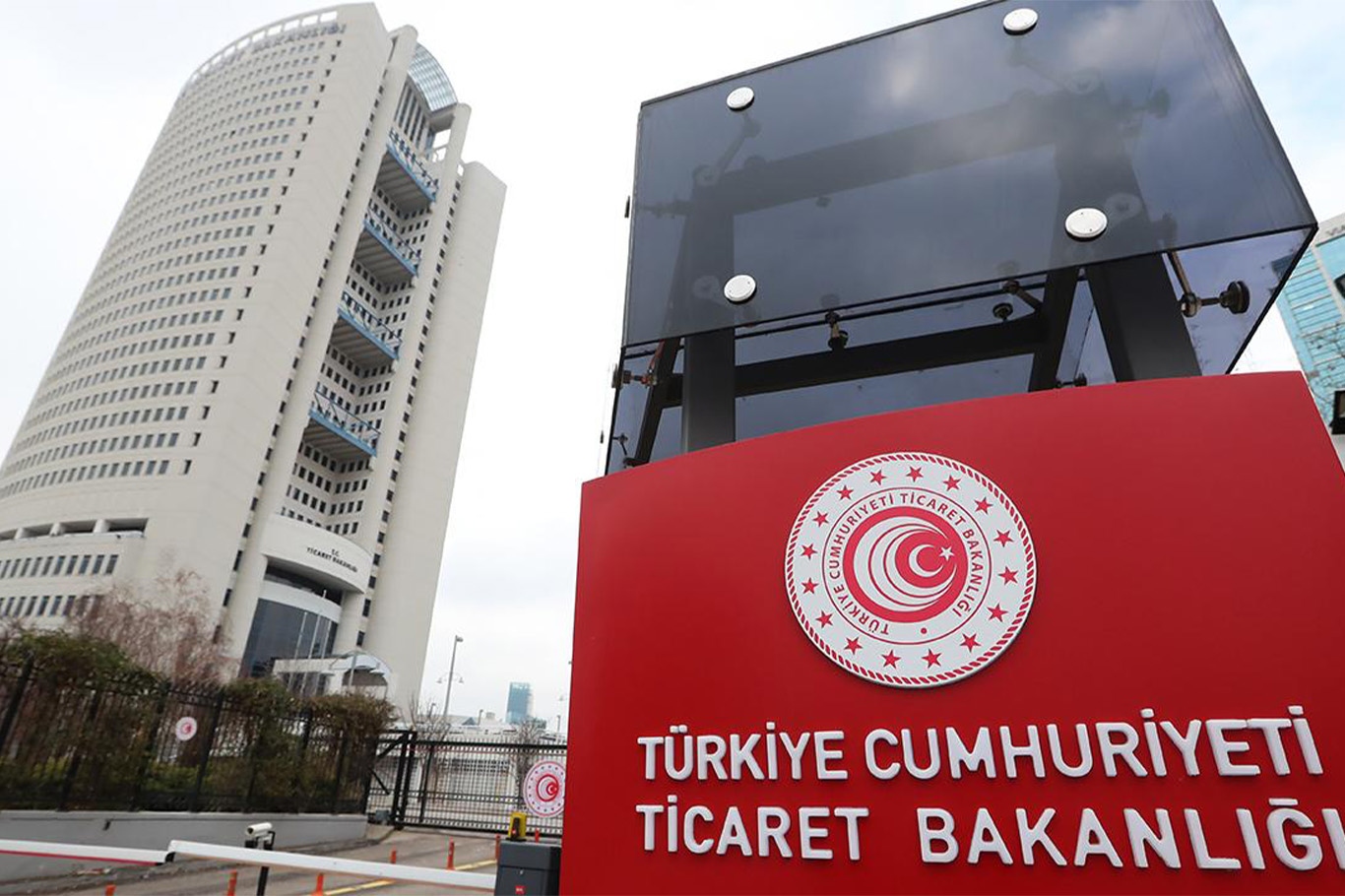
Türkiye has called on the European Union to ensure that its proposed "Made in EU" policy takes into account the Customs Union and integrated production networks between the two sides, following a high-level meeting with representatives of the country's automotive industry.
The meeting, chaired by Trade Minister Ömer Bolat, focused on the European Commission's proposed Industrial Decarbonisation Accelerator Act, under which the "Made in EU" policy has been put forward to strengthen European industrial competitiveness.
Representatives of the Turkish Exporters Assembly (TIM), the Automotive Exporters' Association (OIB), the Automotive Manufacturers Association (OSD) and the Automotive Suppliers Association of Türkiye (TAYSAD) attended the meeting alongside senior ministry officials.
Customs Union should be taken into account
In a statement issued after the meeting, the Ministry of Trade stressed that the "Made in EU" policy should reflect the economic integration, shared production capacity and supply chains established under the EU–Türkiye Customs Union.
The ministry said Türkiye has maintained contacts with EU institutions, member states and industry representatives since the beginning of the legislative process, conveying its expectations at various levels.
Participants also agreed to continue diplomatic efforts with EU member states, the European Commission, the European Parliament and the Council of the European Union to ensure that the final legislation reflects the deep industrial integration between Türkiye and the bloc.
Integrated production networks should not be harmed
The ministry underlined that the automotive industry represents one of the strongest pillars of industrial integration between Türkiye and the European Union.
It said any new legislation designed to enhance Europe's industrial competitiveness should also take into account existing production, investment and supply chains, warning that measures which disrupt established manufacturing networks could also affect European producers operating in Türkiye.
According to the ministry, European automotive manufacturers and industry representatives have likewise informed EU decision-makers of the strategic importance of their investments and production facilities in Türkiye.
The statement added that Türkiye's objective is to promote an inclusive approach that strengthens joint production capacity and global competitiveness, rather than introducing measures that restrict reciprocal market access, while respecting the legal and economic foundations of the EU–Türkiye Customs Union.(ILKHA)
LEGAL WARNING: All rights of the published news, photos and videos are reserved by İlke Haber Ajansı Basın Yayın San. Trade A.Ş. Under no circumstances can all or part of the news, photos and videos be used without a written contract or subscription.
Türkiye’s Non-Domestic Producer Price Index (ND-PPI) rose by 33.64% year-on-year and 2.82% month-on-month in September 2026, according to data released by the Turkish Statistical Institute (TurkStat) on Tuesday.
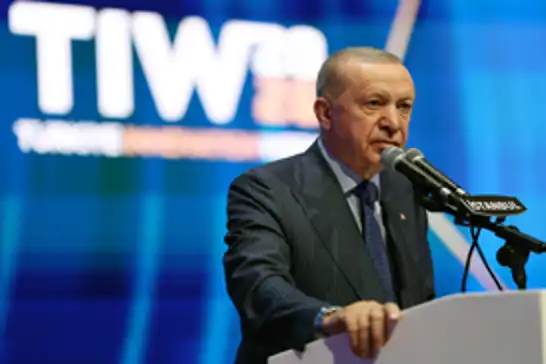
Türkiye’s research and development spending has risen to $20 billion from $1.2 billion in 2002, President Recep Tayyip Erdogan said on Friday, highlighting efforts to strengthen the country’s position in the global technology race.

Istanbul accounted for 25.6% of household consumption expenditure in Türkiye, followed by the Aegean region with 14.5% and the Mediterranean region with 12.6%, Turkish Statistical Institute data showed on Friday.