U.S. dollar strengthens against Turkish lira amid ongoing Middle East tensions
 13 oC
13 oC 
Güneşli

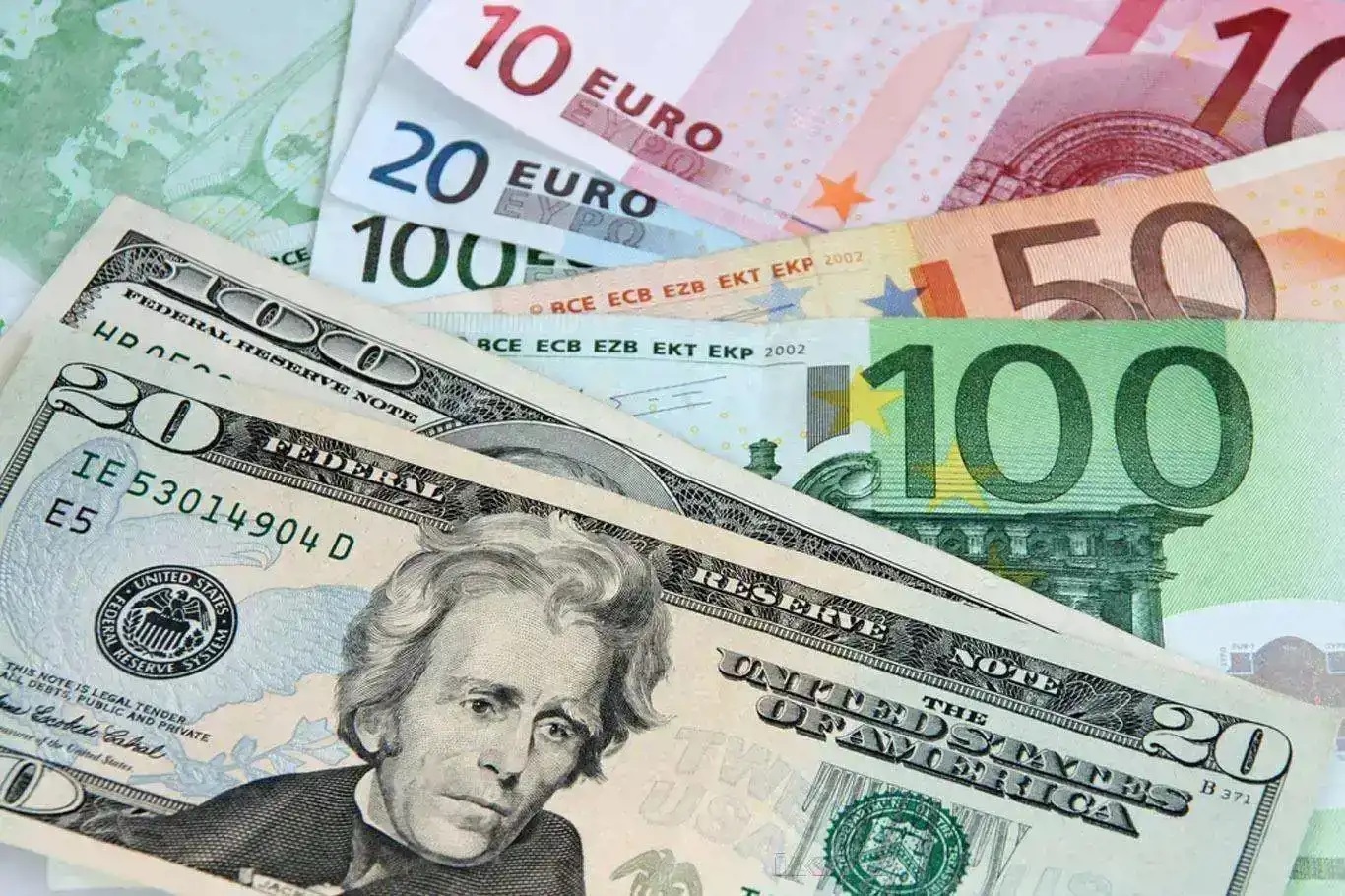
The US dollar gained against the Turkish lira on Tuesday as renewed tensions in the Middle East supported demand for the US currency.
Relations between the United States and Iran remain in focus, while concerns over the security of shipping through the Strait of Hormuz and the Red Sea have kept energy markets on edge. Both waterways are critical for global oil and liquefied natural gas shipments.
Markets are also following recent statements by US President Donald Trump on Iran and the Houthis' announcement of a maritime blockade targeting Saudi Arabia, developments that have raised concerns over the stability of regional energy supplies.
The dollar received additional support from expectations that the US Federal Reserve will keep interest rates at restrictive levels for longer. Strong economic data and persistent inflation have reduced expectations of an early shift in US monetary policy.
In Türkiye, the US dollar opened at 47.17 lira and traded as high as 47.21 lira during the day. (ILKHA)
LEGAL WARNING: All rights of the published news, photos and videos are reserved by İlke Haber Ajansı Basın Yayın San. Trade A.Ş. Under no circumstances can all or part of the news, photos and videos be used without a written contract or subscription.

A high-level Afghan business delegation comprising more than 100 business leaders and investors has begun a three-day official visit to Uzbekistan aimed at strengthening bilateral economic cooperation, expanding trade, and promoting new investment opportunities.

Canadian Prime Minister Mark Carney on Monday criticized the United States' decision to impose a new 50% tariff on a broad range of Canadian goods, calling it the latest in a series of unilateral trade measures that undermine the Canada-United States-Mexico Agreement (CUSMA).

Morgan Stanley expects the Central Bank of the Republic of Türkiye (CBRT) to begin cutting interest rates in the fourth quarter of 2026, while maintaining its year-end policy rate forecast at 35 percent.