DRC to launch first phase of Mpox vaccination campaign amid ongoing outbreak
 13 oC
13 oC 
Güneşli

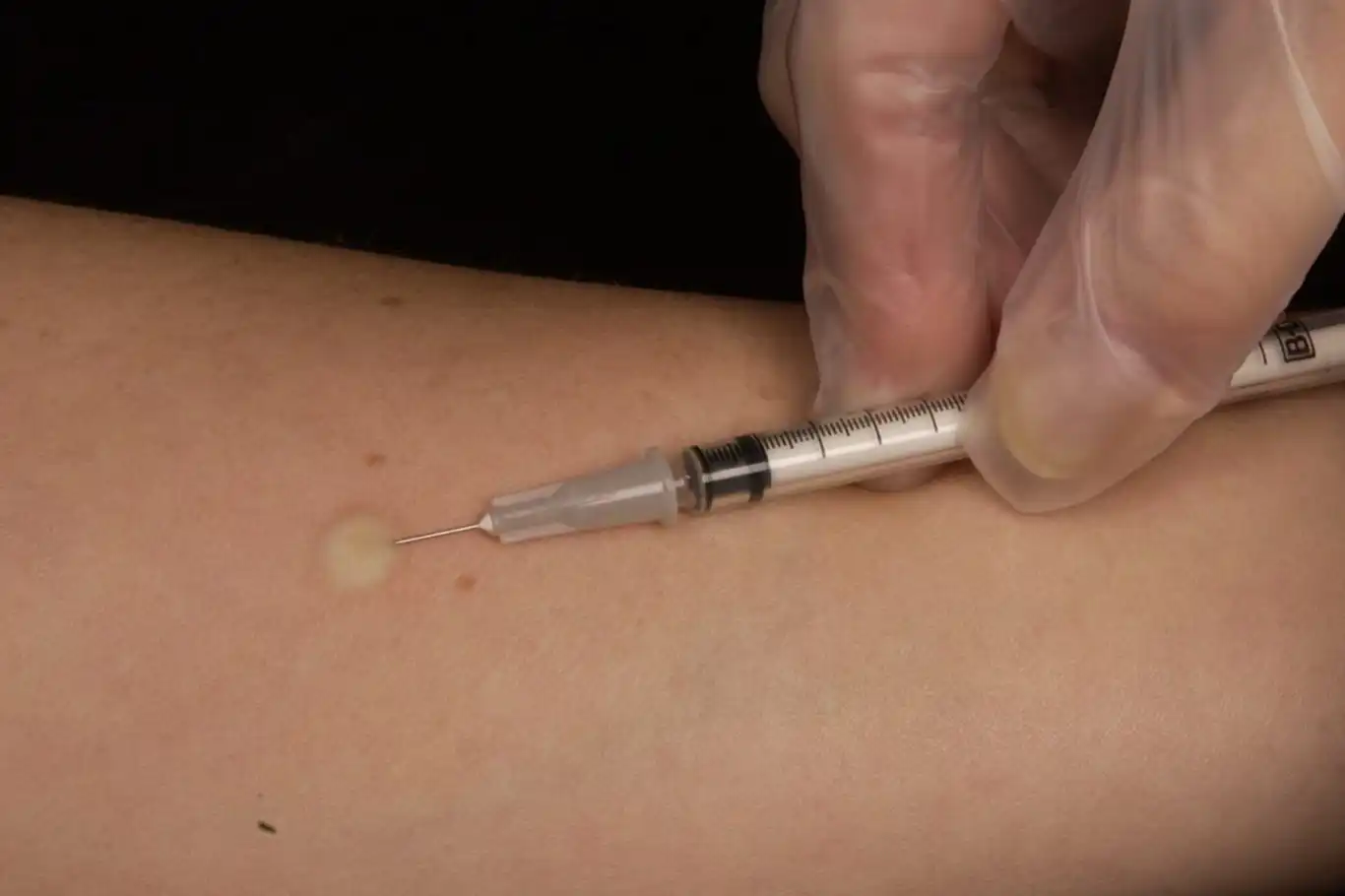
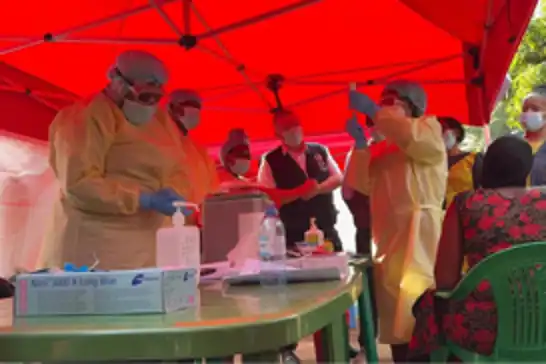
The Democratic Republic of the Congo (DRC), the "epicenter" of Africa's ongoing Mpox outbreak, will begin the first phase of its vaccination campaign on October 2, the government announced.
The campaign, which will run until October 11, follows the receipt of over 265,000 vaccine doses from international partners.
The DRC has reported 21,813 suspected cases of Mpox, with 716 deaths recorded since the beginning of 2024, according to a report released Friday by the Congolese Ministry of Health. The country is responsible for approximately 90 percent of Mpox cases across Africa.
The vaccination campaign comes as the World Health Organization (WHO) approved the MVA-BN vaccine, developed by Bavarian Nordic, for its prequalification list, marking it as the first officially approved vaccine for Mpox. (ILKHA)
LEGAL WARNING: All rights of the published news, photos and videos are reserved by İlke Haber Ajansı Basın Yayın San. Trade A.Ş. Under no circumstances can all or part of the news, photos and videos be used without a written contract or subscription.
France has reported the first documented case of human infection with the Shamonda virus, which has previously been detected only in animals, the World Health Organization (WHO) said Thursday.
The World Health Organization (WHO) on Thursday warned that the ongoing Ebola outbreak has become a regional public health concern, urging African countries to strengthen coordination as infections spread across Central, Eastern and Western Africa.
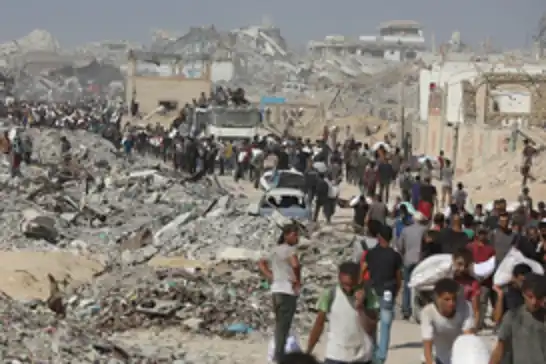
Türkiye's Directorate of Religious Affairs (Diyanet) dedicated this week's Friday sermon to Gaza, describing the ongoing genocide as "humanity's test" and calling on Muslims to stand with the Palestinian people through solidarity, remembrance and a principled boycott against oppression.
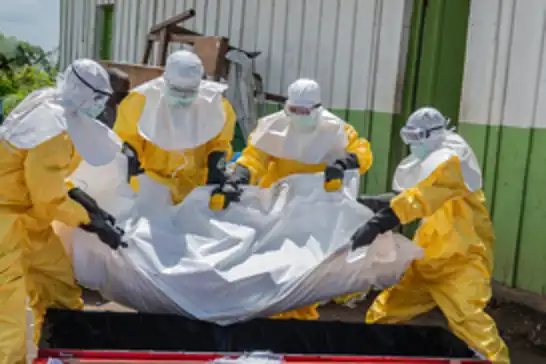
A candidate vaccine against the deadly Bundibugyo strain of Ebola has entered a new phase of clinical testing in Uganda, as health authorities accelerate efforts to develop effective vaccines against a virus that has caused one of the largest and fastest-growing Ebola outbreaks ever recorded in the Democratic Republic of the Congo (DRC).