Global health sees landmark progress in disease elimination in 2025
 13 oC
13 oC 
Güneşli

Amid persistent challenges, the past year has delivered historic victories in the global fight against infectious diseases, marking a turning point in several long-standing public health battles.
The World Health Organization (WHO) announced major strides in eliminating mother-to-child transmission of diseases. The Maldives achieved a world first with "triple elimination" of HIV, syphilis, and hepatitis B transmission from mothers to their babies. In a significant milestone for the Americas, Brazil was recognized for eliminating mother-to-child transmission of HIV, becoming the most populous country in the region to do so.
Progress Against Neglected Tropical Diseases
Multiple countries celebrated the elimination of debilitating neglected tropical diseases (NTDs). Burundi, Egypt, and Fiji eliminated trachoma, a leading infectious cause of blindness. Guinea and Kenya eliminated sleeping sickness (gambiense human African trypanosomiasis), while Niger became the first African country to eliminate river blindness (onchocerciasis). A new WHO report shows encouraging global progress, with 32% fewer people requiring treatments for an NTD since 2010.
Tuberculosis and Malaria: A Mixed Picture
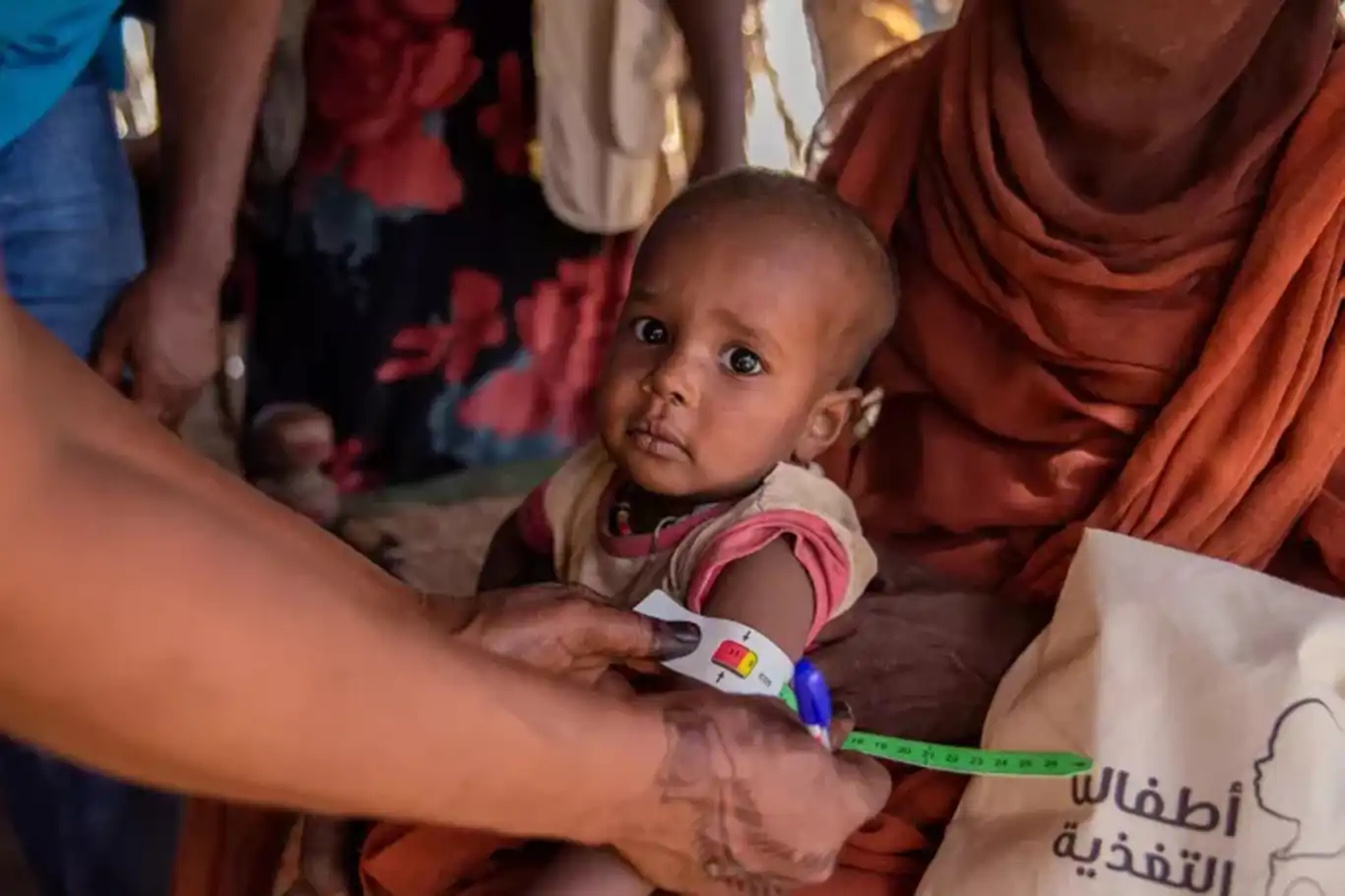
Tuberculosis deaths have seen a dramatic decline over the past decade, with reductions of 46% in the WHO African Region and 49% in the European Region. Despite this progress, TB remains a deadly threat, claiming 1.2 million lives in 2024 and highlighting the need to tackle underlying risk factors like HIV and undernutrition.
The fight against malaria saw crucial advances. Georgia, Suriname, and Timor-Leste were certified malaria-free in 2025. In Africa, a key intervention expanded as seven more countries introduced malaria vaccines, bringing the total to 24. These vaccines now reach over 10 million children annually. The wider use of new tools, including dual-ingredient bed nets and WHO-recommended vaccines, is credited with preventing an estimated 170 million cases and 1 million deaths in 2024 alone.
Vaccination Scale-Up and Persistent Gaps
Vaccination programs continue to be a cornerstone of global health defense. On the first World Cervical Cancer Elimination Day in November, WHO announced that 86 million girls have been vaccinated against HPV, the primary cause of cervical cancer. Major countries including Bhutan, Brazil, China, Indonesia, Nigeria, Pakistan, Rwanda, and Tajikistan expanded HPV vaccination and screening programs in 2025.
Global immunization efforts have yielded spectacular results: measles deaths have dropped by 88% between 2000 and 2024, saving nearly 59 million lives. However, this success is fragile. Measles cases are surging worldwide, with an estimated 11 million infections in 2024—nearly 800,000 more than in 2019—driven by gaps in vaccine coverage.
While 89% of infants globally received a first dose of the DTP vaccine, 20 million children missed out on essential vaccines in 2024. Conflict, supply chain issues, and a troubling rise in vaccine misinformation continue to threaten hard-won gains.
"These victories demonstrate what is possible through sustained commitment and global collaboration," said a WHO spokesperson. "Yet the simultaneous resurgence of threats like measles reminds us that our progress is not automatic. Protecting every child, in every community, must remain our unwavering goal." (ILKHA)
LEGAL WARNING: All rights of the published news, photos and videos are reserved by İlke Haber Ajansı Basın Yayın San. Trade A.Ş. Under no circumstances can all or part of the news, photos and videos be used without a written contract or subscription.
President Recep Tayyip Erdoğan inaugurated the Medistate Çekmeköy Hospital on Friday, framing the event as a testament to Türkiye’s advanced and inclusive healthcare model, which he described as "one of the most beautiful examples of our human-centered politics."

A new pilot study suggests that neurofeedback-based digital training may significantly enhance brain function in children diagnosed with dyslexia, offering fresh hope for non-invasive, long-term interventions targeting reading-related neurological challenges.

Influenza cases are rising sharply across Europe, placing growing pressure on hospitals and health systems in many countries, the World Health Organization (WHO) has warned.