Ebola in DR Congo reaches 3,000 cases and over 1,400 deaths
 13 oC
13 oC 
Güneşli

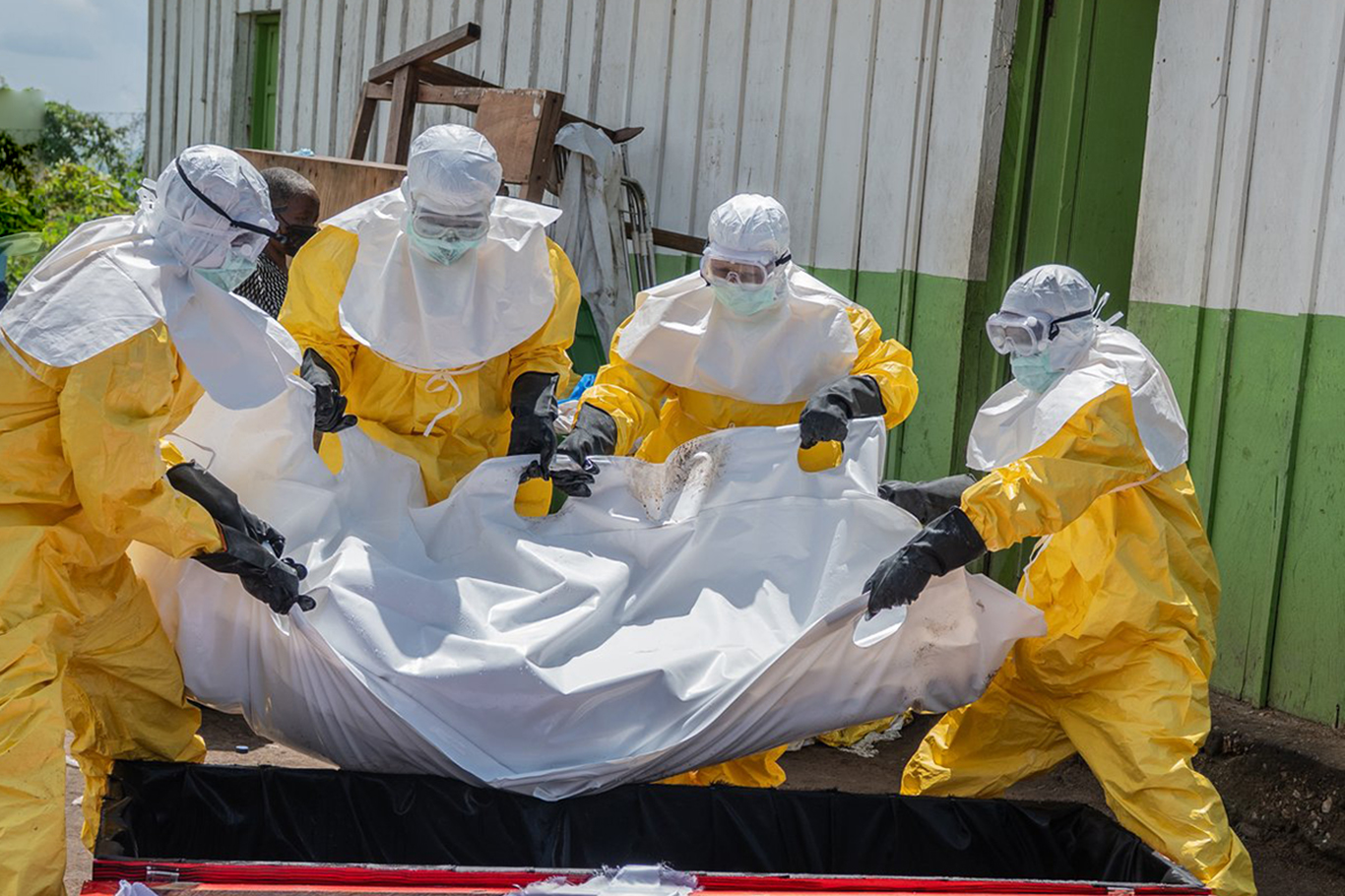
The number of Ebola infections in the Democratic Republic of the Congo (DRC) has climbed to 3,200, with at least 1,405 deaths, according to the latest government figures.
The updated data, released on Sunday, showed that nearly 1,000 new infections have been recorded in just the past 10 days, highlighting the accelerating pace of the DRC's 17th Ebola outbreak.
The outbreak was officially declared on May 15 and is being driven by the Bundibugyo strain of the Ebola virus, a rare variant for which there is currently no approved vaccine or licensed treatment, raising concerns among international health experts.
The World Health Organization (WHO) said that nearly 90 percent of confirmed cases have been reported in the northeastern province of Ituri, which shares borders with South Sudan and Uganda, increasing fears of cross-border transmission.
According to the WHO, the virus has now spread to five provinces, including two newly affected provinces, signaling that the outbreak continues to expand geographically despite ongoing containment efforts.
Health workers and humanitarian organizations have faced significant logistical challenges in reaching affected communities.
"In many cases the humanitarian community wants to help, but the real challenge is getting there," said Hedley Tah of the United Nations Humanitarian Air Service (UNHAS).
Tah said UNHAS has been transporting medical teams and emergency response personnel to outbreak hotspots while also flying laboratory samples for testing.
"Besides moving aid workers to affected areas, we are also moving samples for laboratory testing to ensure traceability can continue," he said.
Congolese health authorities said improved surveillance, expanded testing capacity, and enhanced case detection have contributed to the increase in reported infections by identifying previously undetected cases.
However, officials warned that the outbreak could continue for several more months, with response efforts further complicated by strikes among healthcare workers demanding unpaid salaries. The labor action has disrupted operations at several hospitals and slowed efforts to isolate patients and trace contacts.
Ebola is a highly infectious viral disease transmitted through direct contact with the bodily fluids of infected individuals. It causes severe hemorrhagic fever and has claimed more than 15,000 lives across Africa over the past five decades.
Meanwhile, scientists are intensifying efforts to develop medical countermeasures against the Bundibugyo strain. Oxford University announced on Friday that the first group of volunteers had received an experimental vaccine specifically designed to target the strain, marking a significant step toward finding an effective tool to combat the ongoing outbreak.
Health officials continue to urge affected communities to report suspected cases early, avoid contact with infected individuals, and cooperate with surveillance and vaccination teams as efforts to contain the outbreak continue. (ILKHA)
LEGAL WARNING: All rights of the published news, photos and videos are reserved by İlke Haber Ajansı Basın Yayın San. Trade A.Ş. Under no circumstances can all or part of the news, photos and videos be used without a written contract or subscription.
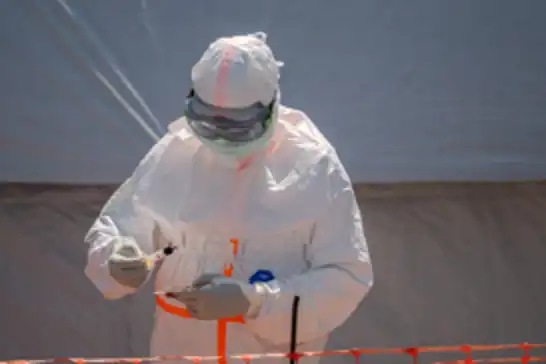
The Ebola outbreak in the Democratic Republic of the Congo (DRC) has claimed 930 lives, with health authorities warning that the epidemic continues to spread rapidly despite ongoing containment efforts.

Afghanistan and Uzbekistan have reaffirmed their commitment to strengthening bilateral cooperation in the health sector following high-level talks between Afghan Deputy Minister of Public Health Mawlavi Hamdullah Zahid and his Uzbek counterpart Abdullah Azizov during an official visit to Tashkent.
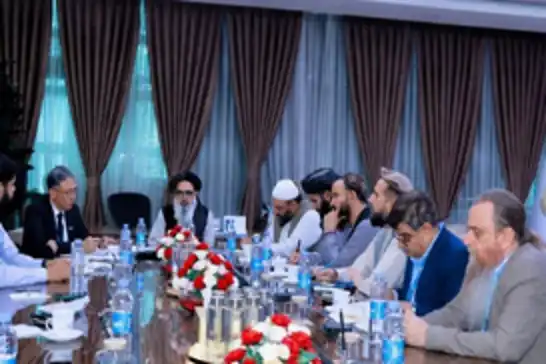
Afghanistan's Acting Minister of Public Health, Mawlavi Noor Jalal Jalali, held a high-level meeting with representatives of Gavi, the Vaccine Alliance, the World Health Organization (WHO), and the United Nations Children's Fund (UNICEF) to enhance cooperation on strengthening the country's healthcare system and expanding immunization services.