Over 120 passengers and crew hit with highly contagious stomach virus on cruise

 13 oC
13 oC 
Güneşli

More than 120 passengers and crew members aboard the Ruby Princess cruise ship were sickened during a norovirus outbreak that struck the vessel during a 20-day voyage from California to Alaska and Canada, health officials confirmed.
According to the U.S. Centers for Disease Control and Prevention (CDC), 102 of the ship's 3,032 passengers and 23 of its 1,144 crew members reported symptoms of gastrointestinal illness, primarily vomiting and diarrhea. The outbreak was reported to the CDC's Vessel Sanitation Program on June 28 while the ship was still at sea.
The Ruby Princess departed San Francisco on June 12 and returned to port on July 2. Following its arrival, the vessel underwent extensive cleaning and disinfection procedures before embarking on its next scheduled voyage. Princess Cruises said the number of cases had declined after enhanced sanitation measures were implemented onboard.
In response to the outbreak, crew members increased cleaning and disinfection efforts throughout the ship, isolated ill passengers and staff, collected samples for testing, and worked closely with CDC officials to monitor the situation. The CDC said it continues to oversee the outbreak response remotely through its Vessel Sanitation Program.
Princess Cruises described the illnesses as generally mild and said affected passengers received appropriate medical care while onboard.
The Ruby Princess incident marks the third reported norovirus outbreak involving a Princess Cruises vessel in 2026. Earlier this year, outbreaks were reported aboard the Star Princess and Caribbean Princess, affecting hundreds of passengers and crew members combined.
According to CDC records, at least seven gastrointestinal illness outbreaks have been reported on cruise ships operating under U.S. jurisdiction so far this year, with norovirus accounting for the majority of cases.
Norovirus is a highly contagious virus and one of the leading causes of acute gastroenteritis in the United States. It spreads through contaminated food or water, direct contact with infected individuals, and contact with contaminated surfaces.
Health experts note that cruise ships can be particularly vulnerable to outbreaks because of the close living quarters and shared dining facilities that allow the virus to spread rapidly. The CDC emphasizes that thorough handwashing with soap and water remains the most effective way to prevent infection, as alcohol-based hand sanitizers are less effective against norovirus.
Despite the outbreak, the Ruby Princess resumed operations less than 24 hours after returning to San Francisco. Cruise officials said the vessel underwent comprehensive sanitization and that additional precautions have been put in place to protect passengers and crew on future voyages.
The outbreak serves as the latest reminder of the challenges cruise operators face in preventing the spread of highly contagious illnesses, even as health and sanitation protocols have become more rigorous in recent years. (ILKHA)
LEGAL WARNING: All rights of the published news, photos and videos are reserved by İlke Haber Ajansı Basın Yayın San. Trade A.Ş. Under no circumstances can all or part of the news, photos and videos be used without a written contract or subscription.

The World Health Organization (WHO) has warned that the ongoing heatwave sweeping across Europe is a clear indicator of worsening climate extremes in the years ahead, as authorities across the continent continue to report rising deaths, strained health systems, and record-breaking temperatures.

Health authorities in the Democratic Republic of the Congo (DRC) have lost contact with nearly 300 people who tested positive for Ebola, raising fears that the virus could spread further amid ongoing conflict, mass displacement, and severe shortages of resources.
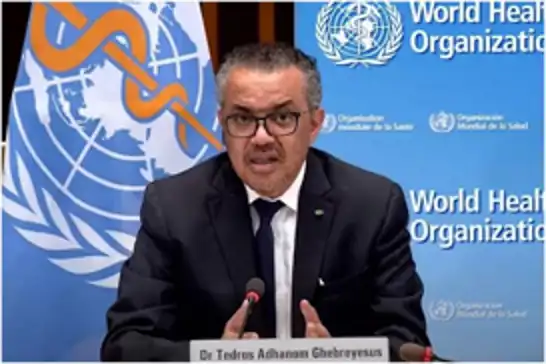
The World Health Organization (WHO) has announced that the recent Hantavirus outbreak is nearing its conclusion, with no new cases reported among monitored contacts in affected countries.