WHO warns Europe’s heatwaves will intensify as death toll rises across the continent
 13 oC
13 oC 
Güneşli

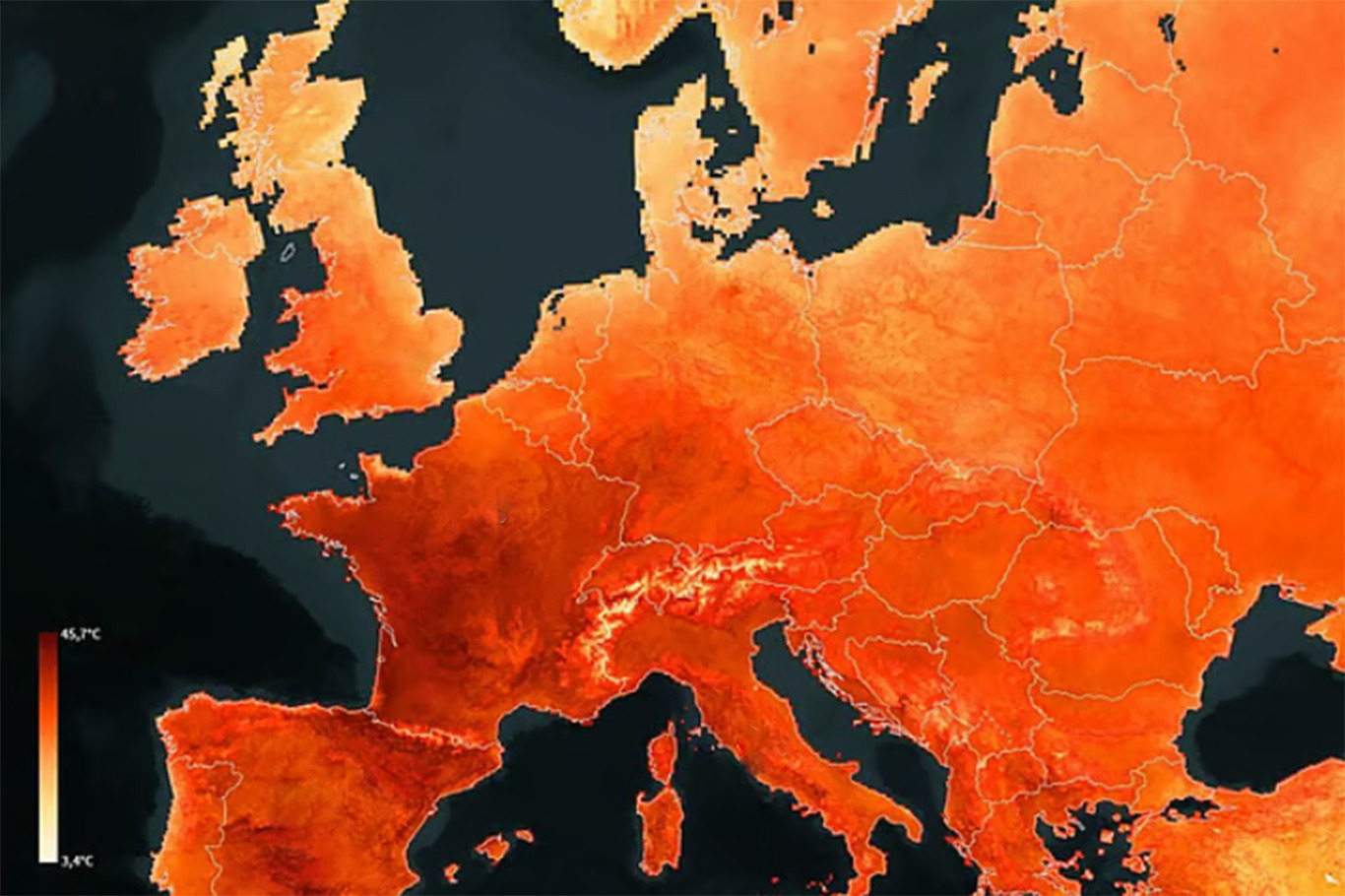
The World Health Organization (WHO) has warned that the ongoing heatwave sweeping across Europe is a clear indicator of worsening climate extremes in the years ahead, as authorities across the continent continue to report rising deaths, strained health systems, and record-breaking temperatures.
The WHO Regional Director for Europe Hans Kluge said the current conditions are a “dress rehearsal” for a future in which heatwaves will become more frequent, severe, and prolonged as Europe warms at more than twice the global average rate.
He warned that insufficient preparedness for extreme heat events could lead to sharply rising mortality rates, particularly among vulnerable populations such as the elderly, outdoor workers, and people with chronic illnesses.
WHO Director-General Tedros Adhanom Ghebreyesus previously said the ongoing heatwave had already caused more than 1,300 excess deaths across Europe, underscoring the scale of the public health impact.
Hospitals Under Pressure Across Europe
Health systems in several countries have reported sharp increases in emergency calls and heat-related admissions. Authorities said emergency medical services in parts of France saw demand rise by up to 50%, while London recorded its highest single-day volume of life-threatening emergency calls during the peak of the heatwave.
Spain reported more than 300 heat-related deaths within days of extreme temperatures, while Italy confirmed at least five deaths linked to heat exposure over a 24-hour period.
Although temperatures have eased in some regions, meteorological services warned that more than 95 million people across southern and eastern Europe remain exposed to temperatures above 35°C, with a new heatwave forecast later this week.
Climate Trends Driving Extreme Conditions
Scientists say Europe is experiencing increasingly frequent and intense heat events driven by long-term climate change. The current heatwave has also been accompanied by unusually high sea surface temperatures in the Mediterranean, particularly in the northwestern basin.
Spain’s Institute of Marine Sciences reported that sea temperatures have risen by around 5.2°C above seasonal norms in some areas, describing the event as a “historic marine heatwave.”
Researchers warn that warmer oceans amplify extreme weather risks, including heavy rainfall, storms, and flooding. Studies indicate that the world’s oceans have absorbed roughly 90% of excess heat generated by human activity since the industrial era, making them a key indicator of global climate change.
Broader Warnings Over Climate Preparedness
Public health experts and climate scientists are increasingly urging European governments to strengthen heatwave preparedness, including early warning systems, urban cooling strategies, and improved healthcare resilience during extreme temperature events.
The WHO has repeatedly warned that without stronger adaptation measures, climate-related mortality in Europe could rise significantly in the coming decades, with heat now considered one of the deadliest natural hazards on the continent.
As temperatures continue to fluctuate across the region, officials say the current heatwave underscores a broader and more persistent trend: Europe is entering an era where extreme heat is becoming a recurring public health emergency rather than an occasional weather event. (ILKHA)
LEGAL WARNING: All rights of the published news, photos and videos are reserved by İlke Haber Ajansı Basın Yayın San. Trade A.Ş. Under no circumstances can all or part of the news, photos and videos be used without a written contract or subscription.

Health authorities in the Democratic Republic of the Congo (DRC) have lost contact with nearly 300 people who tested positive for Ebola, raising fears that the virus could spread further amid ongoing conflict, mass displacement, and severe shortages of resources.
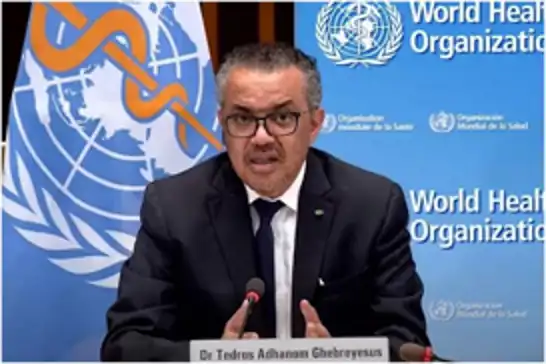
The World Health Organization (WHO) has announced that the recent Hantavirus outbreak is nearing its conclusion, with no new cases reported among monitored contacts in affected countries.
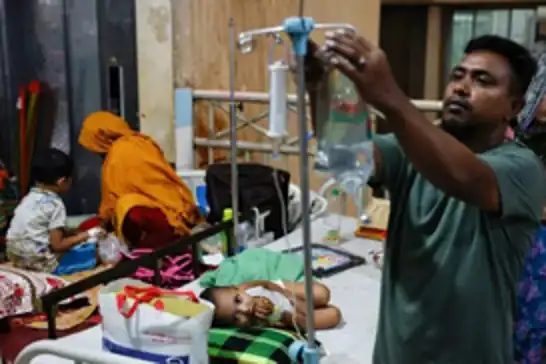
Bangladesh's ongoing measles outbreak continues to worsen, with health authorities reporting four additional deaths and hundreds of new infections over the past 24 hours, pushing the nationwide death toll to 712.