PCHR warns 650 kidney patients in Gaza face imminent risk of death
 13 oC
13 oC 
Güneşli

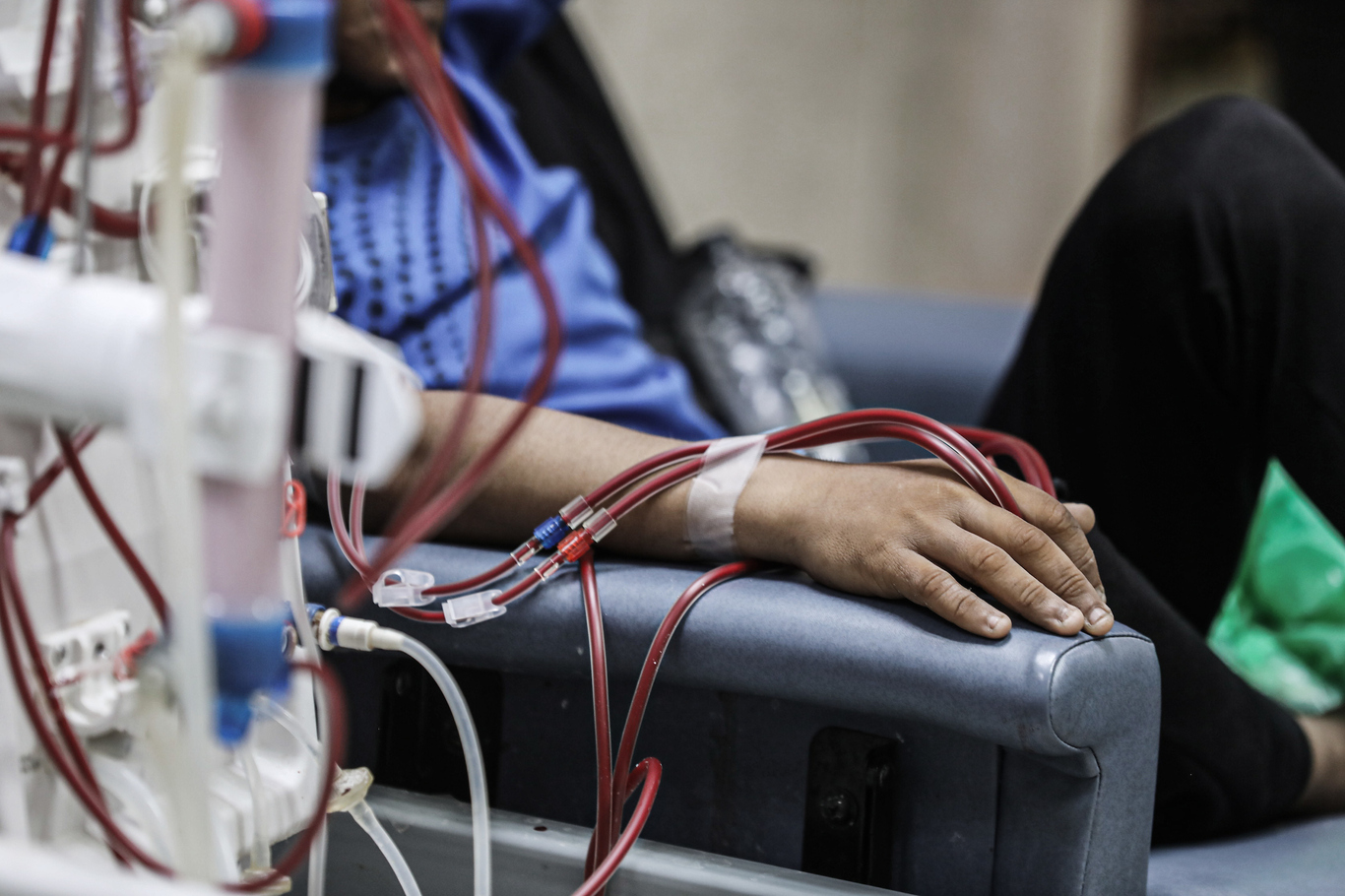
The Palestinian Center for Human Rights (PCHR) has warned that the lives of nearly 650 kidney failure patients in the Gaza Strip are in immediate danger due to a severe shortage of sodium bicarbonate, an essential component used in dialysis treatment.
The rights organization said hospitals across the besieged enclave are facing an acute depletion of the substance, forcing medical facilities to reduce both the duration and frequency of dialysis sessions for patients suffering from chronic kidney disease.
According to PCHR, the reduction in treatment capacity could lead to life-threatening complications for hundreds of patients who depend on regular dialysis to survive.
“Hospitals have been compelled to shorten and limit dialysis sessions because of the shortage,” the organization said, warning that the situation could result in serious health deterioration and an increase in preventable deaths among kidney patients.
The group described the crisis as part of a broader collapse of Gaza’s healthcare system, which has been severely affected by months of war, blockade, and shortages of medical supplies. PCHR argued that the lack of critical medicines and treatment materials is having devastating consequences for civilians requiring specialized medical care.
The organization further stated that the current shortage should not be viewed as an isolated incident but rather as part of a wider humanitarian and medical emergency affecting the territory's healthcare sector.
Since the outbreak of the war in October 2023, Gaza's hospitals and medical facilities have faced repeated disruptions due to military operations, fuel shortages, damage to infrastructure, and restrictions on the entry of medical supplies and equipment. Health officials and humanitarian organizations have repeatedly warned that many healthcare facilities are operating far beyond their capacity or have ceased functioning altogether.
According to figures cited by PCHR, more than 1,800 healthcare facilities have reportedly been fully or partially damaged during the conflict, severely limiting access to medical services for Gaza's population.
Medical professionals have long warned that dialysis patients are among the most vulnerable groups during humanitarian crises, as missed or shortened treatments can quickly lead to the buildup of toxins in the bloodstream, resulting in organ failure and death.
International humanitarian agencies have also expressed growing concern over the condition of patients suffering from chronic illnesses in Gaza, including those requiring kidney dialysis, cancer treatment, cardiac care, and other specialized medical services. Repeated warnings have been issued about shortages of medicines, disposable medical supplies, fuel for hospital generators, and essential treatment materials.
PCHR called for urgent international intervention to ensure the immediate delivery of medical supplies and to prevent further deterioration of healthcare conditions in the territory.
“Urgent international intervention is no longer merely a moral imperative; it is an immediate legal and humanitarian obligation,” the organization said, urging the international community to take immediate steps to protect the rights to life and health of Gaza's civilian population.
As the humanitarian crisis continues to deepen, health officials warn that without the rapid entry of essential dialysis materials and other critical medical supplies, hundreds of patients with kidney failure could face increasingly grave risks in the coming days and weeks. (ILKHA)
LEGAL WARNING: All rights of the published news, photos and videos are reserved by İlke Haber Ajansı Basın Yayın San. Trade A.Ş. Under no circumstances can all or part of the news, photos and videos be used without a written contract or subscription.

More than 120 passengers and crew members aboard the Ruby Princess cruise ship were sickened during a norovirus outbreak that struck the vessel during a 20-day voyage from California to Alaska and Canada, health officials confirmed.
The World Health Organization (WHO) has warned that the ongoing heatwave sweeping across Europe is a clear indicator of worsening climate extremes in the years ahead, as authorities across the continent continue to report rising deaths, strained health systems, and record-breaking temperatures.

Health authorities in the Democratic Republic of the Congo (DRC) have lost contact with nearly 300 people who tested positive for Ebola, raising fears that the virus could spread further amid ongoing conflict, mass displacement, and severe shortages of resources.