Türkiye generates nearly 1 million tons of e-waste annually, experts warn
 13 oC
13 oC 
Güneşli

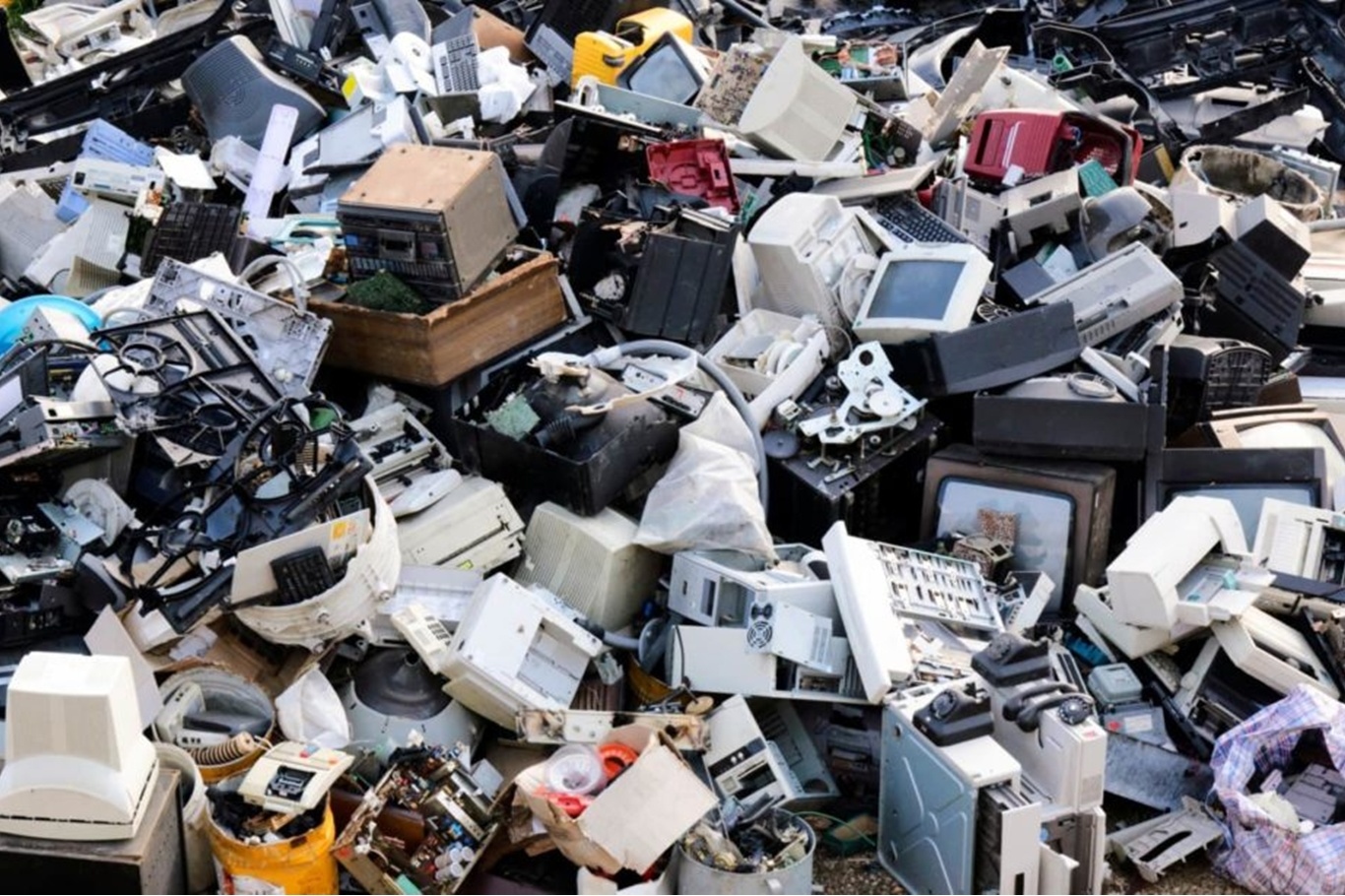
Environmental health experts in Türkiye are warning that discarded batteries, old mobile phones, computers, and unused electronic devices are posing serious threats to both public health and the environment as electronic waste levels continue to rise across the country.
Tuğçe Yılmaz Karan said many electronic products stored in homes eventually become hazardous waste due to the toxic substances they contain.
According to Karan, electronic waste and used batteries contain dangerous heavy metals including lead, mercury, cadmium, nickel, and lithium, which can leak into soil, groundwater, and ecosystems when improperly disposed of together with household garbage.
“One of the most dangerous characteristics of heavy metals is that they persist in nature and accumulate through the food chain,” Karan explained, warning that toxic substances can gradually become more concentrated in living organisms.
Heavy metals linked to neurological and respiratory diseases
Karan noted that lead exposure can damage the nervous system and negatively affect cognitive development, especially among children.Mercury, she said, is a powerful neurotoxin that can harm the central nervous system and kidneys, while cadmium has been linked to kidney disease, reduced bone density, and increased cancer risks.
Nickel exposure may trigger allergic reactions and respiratory problems, she added.The expert also warned that lithium-based batteries pose additional fire and explosion risks if physically damaged or improperly stored.
Burning e-waste increases air pollution risks
Karan cautioned that uncontrolled burning of electronic waste can release highly toxic gases such as dioxins and furans into the atmosphere, contributing to severe air pollution and indirect health risks.She stressed that electronic waste should be collected separately from ordinary domestic waste and delivered to authorized collection points or licensed recycling facilities.
According to Karan, e-waste includes not only computers and televisions but also forgotten mobile phones, chargers, cables, batteries, and small household appliances commonly stored in homes.
Valuable materials can be recovered through recycling
Despite its risks, electronic waste also contains economically valuable materials such as copper, gold, silver, aluminum, palladium, and rare earth elements.Karan said proper recycling systems allow these materials to be recovered and reintroduced into the economy, improving both environmental sustainability and resource efficiency.
She emphasized that licensed recycling facilities play a critical role in safely separating toxic components from reusable materials.
Türkiye collects only small portion of annual e-waste
According to data cited from Türkiye’s Ministry of Environment, Urbanization and Climate Change, the country generates approximately one million tons of electronic waste every year.
However, Karan said only around 6–7 percent of this waste is currently collected through officially registered recycling systems.
Türkiye’s general recycling recovery rate reached 36.08 percent in 2024, with authorities aiming to increase the figure to 60 percent by 2035.
Experts warn that the low collection rate demonstrates the urgent need for stronger recycling infrastructure and greater public awareness regarding e-waste management.
Rechargeable batteries and repair culture encouraged
Karan encouraged consumers to reduce unnecessary electronic purchases and extend the lifespan of devices through maintenance and repair.
She also recommended wider use of rechargeable batteries instead of disposable ones as part of efforts to reduce waste generation.Used batteries, she said, should be collected separately and deposited in designated recycling boxes located in schools, markets, municipalities, and collection centers.
Circular economy model expected to shape future policies
Looking ahead, Karan said future e-waste management strategies will increasingly focus on the “circular economy” model, which aims to keep products and materials in use for as long as possible while minimizing waste.
Among the emerging approaches are Extended Producer Responsibility (EPR) policies, which require manufacturers to take responsibility for the collection, recycling, and disposal of products after their usable life ends.She also highlighted the growing importance of eco-design standards and “right to repair” policies encouraging the production of more durable, repairable, and recyclable devices.
Karan added that artificial intelligence-supported sorting technologies and digital product tracking systems are expected to improve recycling efficiency in the coming years.
“The goal is no longer simply disposing of waste,” she said. “The real objective is to protect environmental sustainability while maximizing resource efficiency and minimizing long-term health risks.”(ILKHA)
LEGAL WARNING: All rights of the published news, photos and videos are reserved by İlke Haber Ajansı Basın Yayın San. Trade A.Ş. Under no circumstances can all or part of the news, photos and videos be used without a written contract or subscription.

The World Health Organization (WHO) has warned that the ongoing heatwave sweeping across Europe is a clear indicator of worsening climate extremes in the years ahead, as authorities across the continent continue to report rising deaths, strained health systems, and record-breaking temperatures.

Health authorities in the Democratic Republic of the Congo (DRC) have lost contact with nearly 300 people who tested positive for Ebola, raising fears that the virus could spread further amid ongoing conflict, mass displacement, and severe shortages of resources.
The World Health Organization (WHO) has announced that the recent Hantavirus outbreak is nearing its conclusion, with no new cases reported among monitored contacts in affected countries.

Bangladesh's ongoing measles outbreak continues to worsen, with health authorities reporting four additional deaths and hundreds of new infections over the past 24 hours, pushing the nationwide death toll to 712.