WHO issues new guidelines on GLP-1 medicines amid growing global obesity crisis
 13 oC
13 oC 
Güneşli

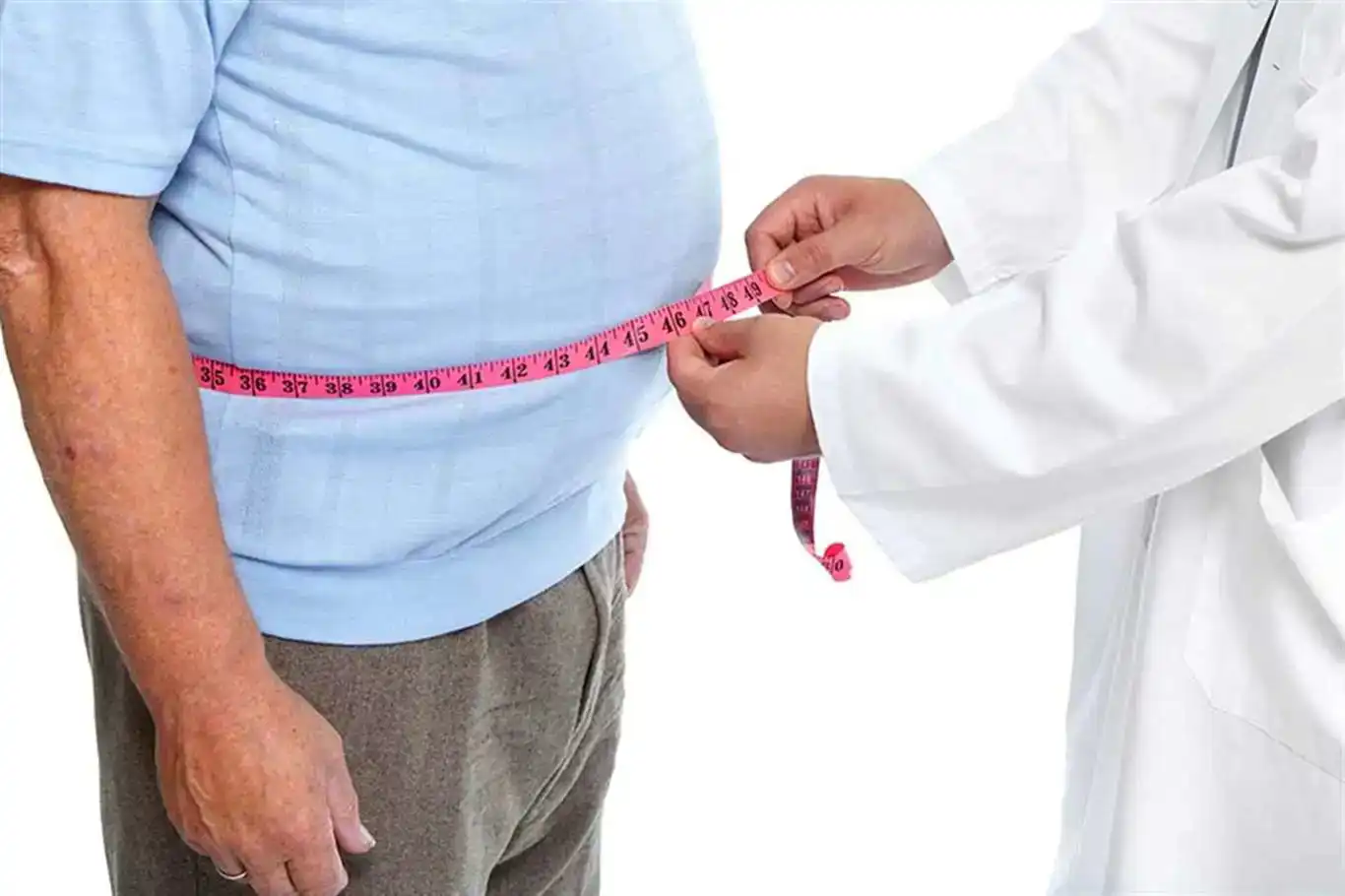
The World Health Organization (WHO) has issued updated recommendations on the use of glucagon-like peptide-1 (GLP-1) medicines for the treatment of obesity in adults, as the organization warns that obesity is reaching unprecedented levels worldwide.
More than 1 billion people currently live with obesity, and the number is projected to double by 2030 if urgent action is not taken.
WHO Director-General Tedros Adhanom Ghebreyesus described obesity as “one of the most serious public health challenges of our time,” noting its direct link to major chronic diseases such as heart disease, type 2 diabetes, and certain types of cancer. Obesity also places a significant burden on health systems and national economies, with costs related to medical care, lost productivity, and social impacts rising steadily. In 2024 alone, obesity was associated with 3.7 million deaths globally, underscoring the scale of the crisis.
GLP-1 Medicines: Hope and Caution
GLP-1 medicines, a class of drugs originally developed to treat diabetes, have been increasingly approved in several countries for weight management in adults living with obesity. These medicines work by regulating appetite, promoting satiety, and improving metabolic outcomes. Tedros called GLP-1 therapies a “powerful clinical tool offering hope to millions”, but emphasized that medication alone cannot solve the obesity epidemic.
The new WHO guidelines stress that GLP-1 treatments should be integrated into a broader, holistic strategy for obesity management, which includes:
1-Creating healthier environments through policies that limit unhealthy food marketing, improve nutrition labeling, and encourage physical activity;
2-Screening and early intervention to protect individuals at high risk of obesity and related complications;
3-Providing lifelong, person-centered care for individuals living with obesity, including access to nutrition counseling, physical activity programs, and behavioral support.
Equity and Access Concerns
Tedros warned that without concerted global action, the availability of GLP-1 medicines could exacerbate inequalities, as high costs and limited supply might restrict access in low- and middle-income countries. “Our greatest concern is equitable access. These medicines must be accessible to everyone who needs them, everywhere,” he said.
The WHO guidelines emphasize that GLP-1 treatments do not replace the need for a healthy diet, regular physical activity, and broader public health interventions. Instead, they should complement long-term lifestyle changes and population-level strategies aimed at preventing obesity before it develops.
A Multi-Sectoral Challenge
Obesity is a complex, chronic, and relapsing disease influenced by genetic, environmental, social, and economic factors. Experts stress that addressing it requires coordinated action across multiple sectors, including health care, education, urban planning, agriculture, and food industries. Urbanization, sedentary lifestyles, and the proliferation of ultra-processed foods have all contributed to rising obesity rates worldwide.
The WHO guidelines are part of the organization’s Acceleration Plan to Stop Obesity, which aims to provide evidence-based, scalable, and equitable interventions for countries to adopt. By combining medical therapies, preventive measures, and public health policies, WHO seeks to curb the growing epidemic and reduce obesity-related deaths and illnesses globally.
“Scientific progress in the treatment of obesity must benefit everyone. The fight against obesity is not just about weight—it is about health, equity, and the future of our societies,” Tedros concluded. (ILKHA)
LEGAL WARNING: All rights of the published news, photos and videos are reserved by İlke Haber Ajansı Basın Yayın San. Trade A.Ş. Under no circumstances can all or part of the news, photos and videos be used without a written contract or subscription.

The World Health Organization (WHO) has warned that the ongoing heatwave sweeping across Europe is a clear indicator of worsening climate extremes in the years ahead, as authorities across the continent continue to report rising deaths, strained health systems, and record-breaking temperatures.

Health authorities in the Democratic Republic of the Congo (DRC) have lost contact with nearly 300 people who tested positive for Ebola, raising fears that the virus could spread further amid ongoing conflict, mass displacement, and severe shortages of resources.
The World Health Organization (WHO) has announced that the recent Hantavirus outbreak is nearing its conclusion, with no new cases reported among monitored contacts in affected countries.
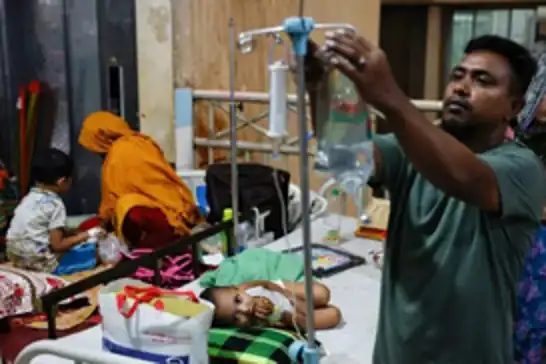
Bangladesh's ongoing measles outbreak continues to worsen, with health authorities reporting four additional deaths and hundreds of new infections over the past 24 hours, pushing the nationwide death toll to 712.