WHO: New malaria tools help prevent 170 million cases, but global deaths remain high
 13 oC
13 oC 
Güneşli

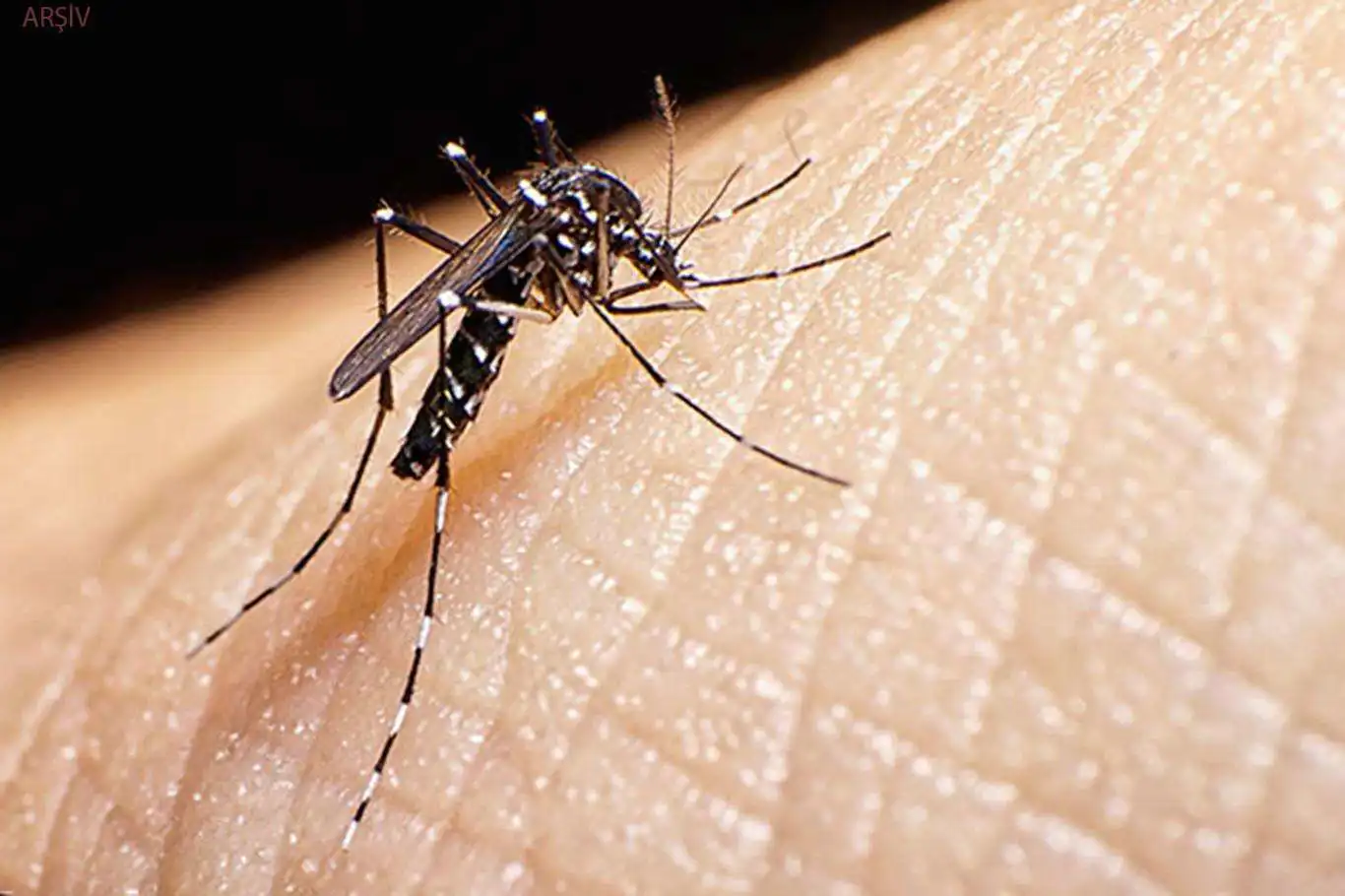
New tools, including dual-ingredient insecticide nets and WHO-recommended vaccines, helped prevent an estimated 170 million malaria cases and 1 million deaths in 2024, according to the World Health Organization’s (WHO) annual World Malaria Report.
According to WHO, more countries are now integrating malaria prevention measures into their regular health systems. Since the first malaria vaccines were approved in 2021, 24 countries have introduced them into routine immunization programs. Seasonal malaria chemoprevention has also expanded and reached 54 million children in 2024, up from 200,000 in 2012.
Progress continued in malaria elimination efforts as well. WHO has certified 47 countries and one territory as malaria-free to date. Cabo Verde and Egypt received certification in 2024, while Georgia, Suriname and Timor-Leste joined the list in 2025.
Despite these advancements, malaria cases increased. WHO estimated 282 million cases and 610,000 deaths in 2024—around 9 million more cases than the previous year. About 95% of deaths occurred in the WHO African Region, mostly among children under five.
WHO Director-General Dr. Tedros Adhanom Ghebreyesus said new tools provide “new hope,” but warned that rising cases, expanding drug resistance, and funding shortfalls threaten progress. “With the leadership of the most-affected countries and targeted investment, the vision of a malaria-free world remains achievable,” he said.
The report highlights evidence of partial resistance to artemisinin-based drugs, which serve as the core of malaria treatment. Drug resistance has been confirmed or suspected in at least eight African countries. There are also signs that partner drugs used alongside artemisinin are becoming less effective.
Key goals outlined in WHO’s Global Technical Strategy for Malaria 2016–2030 remain off track. The 610,000 deaths recorded in 2024 equal 13.8 deaths per 100,000 population—three times the global target of 4.5.
The report also identifies several additional challenges, including genetic mutations in malaria parasites that undermine rapid diagnostic testing, widespread pyrethroid resistance that reduces the effectiveness of insecticide-treated nets, and the spread of the insecticide-resistant Anopheles stephensi mosquito to nine African countries. Extreme weather events, driven by climate change, have also altered mosquito habitats and led to more outbreaks.
Conflict, instability and disruptions to health services continue to hinder timely diagnosis and treatment. At the same time, global funding for malaria control has stagnated. A total of US$3.9 billion was invested in 2024—less than half of the US$9.3 billion targeted for 2025. Reductions in Official Development Assistance have further weakened surveillance systems and delayed planned malaria interventions.
Dr. Martin Fitchet, CEO of Medicines for Malaria Venture, stressed the need for new treatment options. He said the development of the first non-artemisinin combination therapy, Ganaplacide–Lumefantrine, shows that progress is possible.
WHO called on malaria-endemic countries to uphold commitments under the Yaoundé Declaration and emphasized the need for coordinated action through the Big Push initiative to counter current and future threats. (ILKHA)
LEGAL WARNING: All rights of the published news, photos and videos are reserved by İlke Haber Ajansı Basın Yayın San. Trade A.Ş. Under no circumstances can all or part of the news, photos and videos be used without a written contract or subscription.
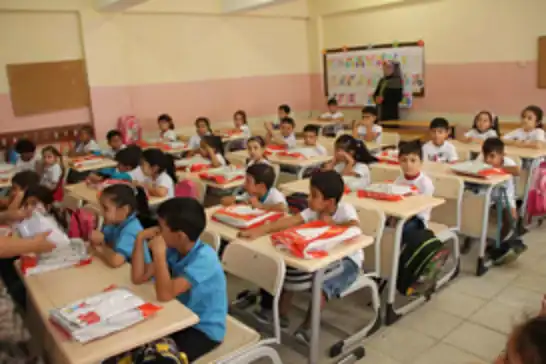
School life expectancy (SLE) in Türkiye fell 2.4% in 2025 from a year earlier, reaching 16.8 years, according to data released by the Turkish Statistical Institute (TÜİK) on Tuesday.
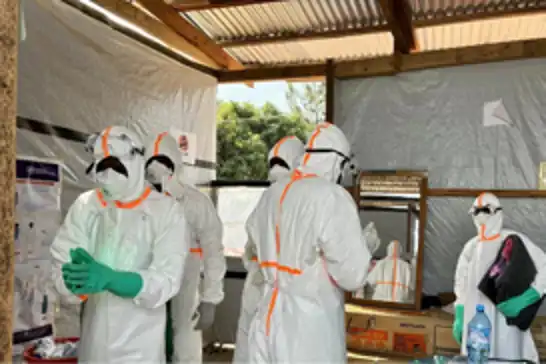
The Democratic Republic of Congo (DRC) has recorded more than 8,000 confirmed Ebola cases and nearly 4,000 deaths in the country’s largest-ever Ebola outbreak, according to the latest data from Congolese health authorities.
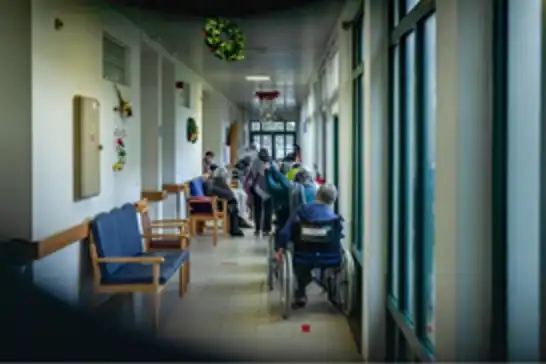
Five elderly residents have died at a care home in southern Portugal amid an outbreak of Influenza A, with health authorities continuing to monitor the situation and prosecutors investigating the deaths.
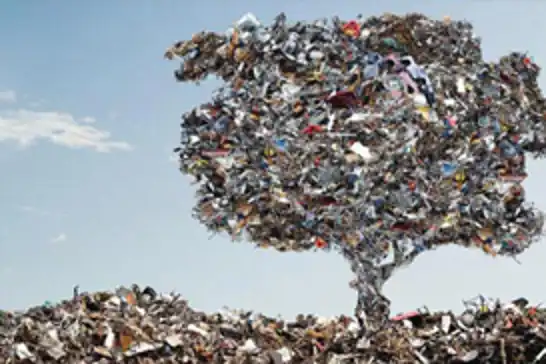
Türkiye has recovered 90 million tons of recyclable waste since launching its Zero Waste Movement in 2017, increasing its national recovery rate to 37.53% in 2025 from 13% at the start of the programme, Environment, Urbanization and Climate Change Minister Murat Kurum said.